【Third Growth in the 1855 Bordeaux Classification】
【Bordeaux's splendid 2016 vintage, awarded 97 points by Wine Advocate】
【Owned by Denis Lurton of the esteemed Lurton family, a leading name in the wine world】
【Operating with respect for terroir, the estate combines modern facilities with traditional winemaking techniques】
【Legendary winemaker Jacques Boissenot serves as consultant, advising over 200 Left Bank estates】
【Wine Enthusiast 93 pts】
【Vinous 92 pts】
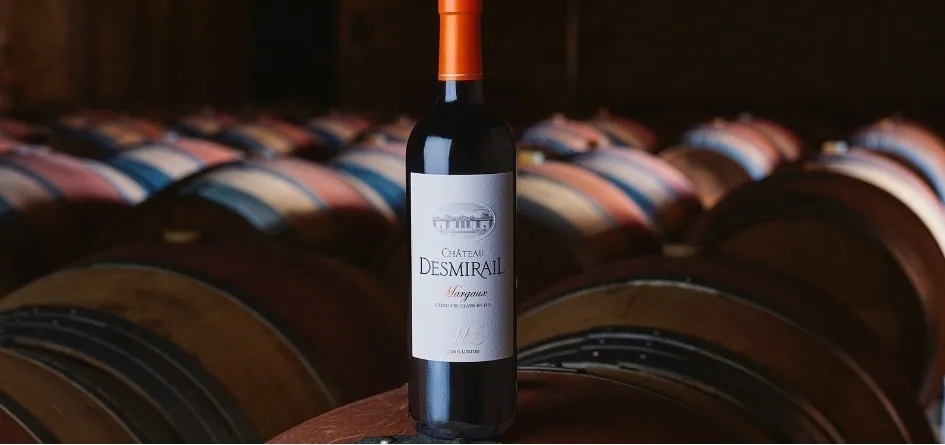
ZTF634D - Chateau Desmirail 2021 Margaux Thirld Growths Grand Cru Classes
Special Price: $330/bottle
Appellation/Classification: Margaux, Bordeaux
Grape Varieties: 55% Merlot, 43% Cabernet Sauvignon, 2% Petit Verdot
Alcohol Content: 13% vol
Volume: 750ml

Tasting Notes: The wine exhibits a deep, intense colour, with aged notes of cedar and smoked meat emerging. Medium-bodied, it features mature tannins that are velvety smooth, culminating in a lingering finish with a hint of spice.
Château Desmirail is situated in the village of Cantenac within the Margaux appellation. In the mid-seventeenth century, the estate formed part of the property belonging to Pierre de Mesures de Rauzan (Rauzan Estate). Over time, the estate was subdivided into several parcels. By the time of the 1855 Classification, the original Rauzan Estate had been divided into four separate estates: Château Rauzan-Gassies, Château Rauzan-Ségla, Château Desmirail, and Château Marquis de Terme. In 1855, Château Desmirail was classified as a Third Growth. In 1905, the renowned composer Mendelssohn became the estate's proprietor. Subsequently, Château Desmirail was acquired by Lucien Lurton. The Lurton family are distinguished wine producers. Lucien dedicated two decades to rebuilding Château Desmirail, meticulously renovating each vineyard plot within the original estate. He subsequently acquired a building in the village of Cantenac and converted it into a cellar. The first harvest took place in 1981. In 1992, Lucien's son, the then 33-year-old Denis Lurton, inherited Château D'Yquem from his father and remains its current proprietor. Denis Lurton inherited his father's and the family's longstanding winemaking expertise, consistently aiming to produce high-quality wines. The estate's first wine has consistently scored over 90 points in recent vintages according to James Suckling, leaving no doubt about its quality.
The vineyards are managed sustainably with strict control over chemical inputs to promote soil health and better preserve terroir characteristics. Grapes are hand-harvested by teams of sixty, then transported to the fermentation room for destemming, sorting and crushing. Fermentation occurs in separate vats according to plot, allowing the wines to express the distinct characteristics of each vineyard block and grape variety. Fermentation vessels are selected according to vine age. Owner Denis LURTON, Technical Director Pierre Lafeuillade, and legendary winemaking consultant Jacques Boissenot jointly determine the optimal vessels for the Grand Cru's fermentation and ageing. Old vines are frequently fermented in oak barrels. Subsequently, the wine is aged for 12 months in barrels with no less than 30% new oak. Approximately every three months, the winemaker performs racking to clarify the liquid. Upon completion of maturation, the wine is transferred to large oak vats and clarified using egg whites.