{{ 'fb_in_app_browser_popup.desc' | translate }} {{ 'fb_in_app_browser_popup.copy_link' | translate }}
{{ 'in_app_browser_popup.desc' | translate }}
{{word('consent_desc')}} {{word('read_more')}}
{{setting.description}}
{{ childProduct.title_translations | translateModel }}
{{ getChildVariationShorthand(childProduct.child_variation) }}
{{ getSelectedItemDetail(selectedChildProduct, item).childProductName }} x {{ selectedChildProduct.quantity || 1 }}
{{ getSelectedItemDetail(selectedChildProduct, item).childVariationName }}
Saketime ranking no.8 in Japan
Most hot sake in recent year, very limited production, hard to get it
Rokunoujyo - use of 6 special techniques to fine tune the sake
The use of "King of Sake Rice" - Yamadanishiki
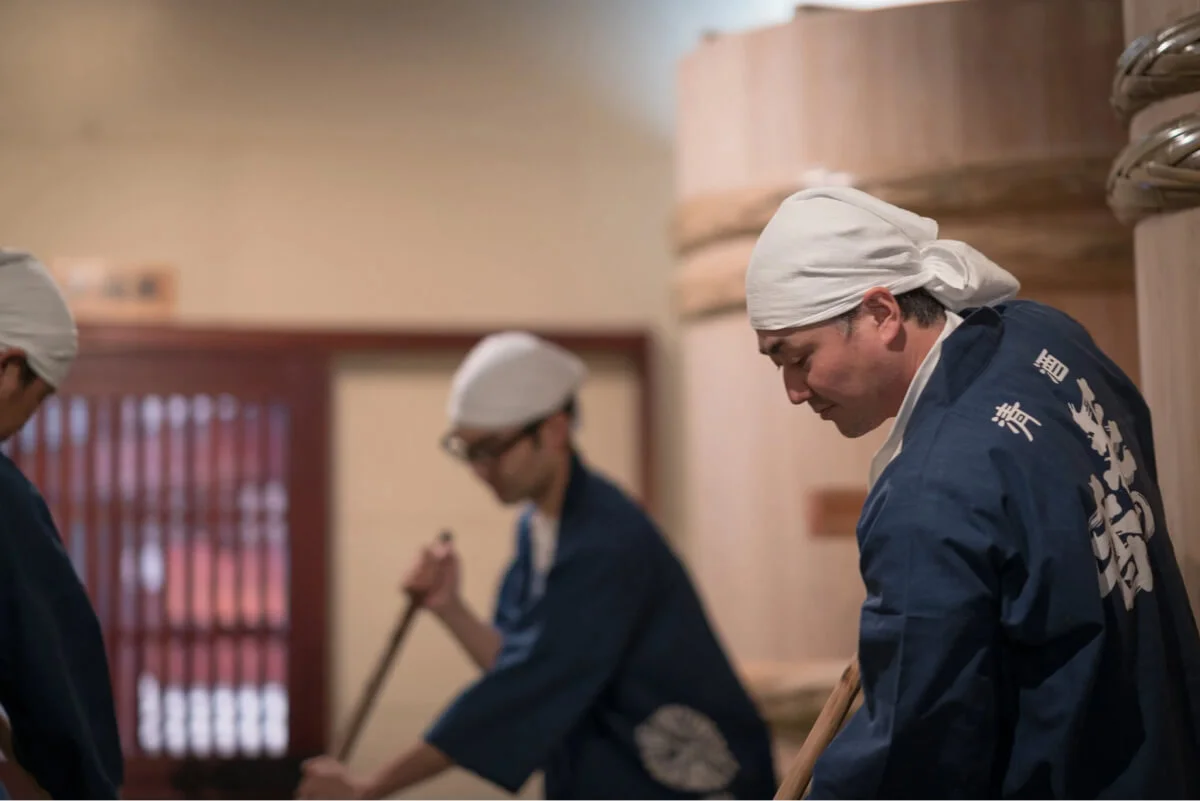
Use of barrel to mature the sake, more flavors added
$1200 or above order free delivery (Hong Kong) on order
Not enough stock.
Your item was not added to your cart.
Not enough stock.
Please adjust your quantity.
{{'products.quick_cart.out_of_number_hint'| translate}}
{{'product.preorder_limit.hint'| translate}}
Limit {{ product.max_order_quantity }} per order.
Only {{ quantityOfStock }} item(s) left.
ZTJ237-Ubusuna Yamadanishi Rokunoujyo Namazake 2024 (720ml)
[Production Date]:May 2025
$599/btl
The unique aroma of Kumamoto No. 9 yeast and the inherent sweetness of the sake are balanced by the "yamomi" texture of the local brewing water, expressing the nature of Nagomi-cho as it is. The unprecedented freshness created by the action of koji mold and other fungi and microorganisms leaves the impression as if the umami flavor is bouncing in the mouth. The rice used for this sake is naturally farmed without fertilizers or pesticides. Since the brewing is done in wooden vats, it has a gentle, subtle cedar aroma. It is complex and deep.

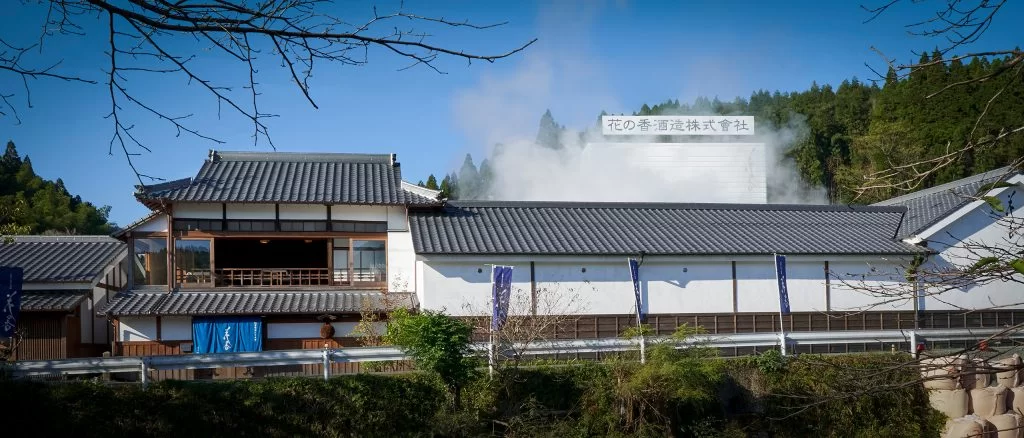
We brew our sake in the mountainous area of Wasui-cho, Tamana-gun, Kumamoto Prefecture, which is blessed with nature and has a 2,000-year history of paddy rice culture, which is also recognized as a Japanese Heritage. All of our rice is grown in the Kikuchi River basin, as we believe that rice grown in rice paddies in the same area as the brewing water is the best match for the rice. The term "Sanchi" means to respect the indigenous production climate and the spirit of prayer. It is our brewing philosophy to "brew the best sake" that enriches people, nature, and the ecosystem. Sansuchi" is an ancient Japanese word that has existed in Japan since ancient times. We call it "ubusuna," which means the guardian god of the land or the mother of nature's bounty. The spirit of prayer is most important for sake, a culture that originally consists of "gojinshu," or sacred sake. Our philosophy also includes gratitude for the land that nurtures the water and rice produced by nature, and for the bounty of that nature. We pursue the best sake by respecting the indigenous production climate, local products, traditions and culture, and the spirit of prayer.

Yamadanishiki is a highly prized Japanese rice variety, often called the "king of sake rice," that is essential for brewing high-quality sake. It is a hybrid of the Yamadaho and Tankan Wataribune rice strains, and its characteristics—like large grains, high starch, low protein, and a prominent starchy white core (shinpaku)—make it ideal for brewing delicate, refined, and well-balanced sake.