【Second label of first growth Chateau Margaux
ZTF388 Pavillon Rouge du Chateau Margaux 2006 1500ml 紅亭 瑪歌堡副牌
Single Bottle Price:$2950/支
產區/等級:Margaux 瑪歌,Bordeaux 波爾多,France 法國
葡萄品種: 55% Cabernet Sauvignon, 40% Merlot, 4% Petit Verdot, 1% Cabernet Franc
酒精度:13%
容量:750ml
網站介紹 :https://www.chateau-margaux.com/en/vins/pavillon-rouge-du-chateau-margaux/2017
伸延閱讀:Second Label 副牌酒
【酒莊 Winery】

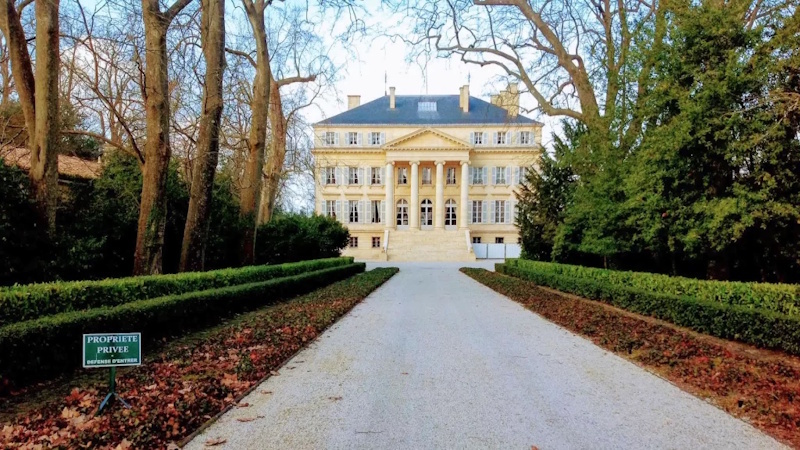
Chateau Margaux, a First Growth, needs little introduction. It has always been one of the world's top wineries. Even Thomas Jefferson, the first US ambassador to France and later the third US president, praised it, saying, "A Bordeaux wine far superior to Chateau Margaux!"
In fact, during the 1855 classification, Margaux was the only First Growth to receive a perfect 20 points! It's also worth mentioning that Chateau Margaux hosted then-Chinese President Hu Jintao during his visit to Bordeaux in 2001! In 1908, Margaux's second label began production under the name Pavillon Rouge. Production ceased from the 1930s to the 1970s, but was revived in 1977 after Andre Mentzelopoulos took over.
Andre is the key figure who elevated Margaux to new heights. After taking over, he brought in numerous top talents to significantly improve the quality of the wine and the winery: including Emile Peynaud, the father of modern oenology; Paul Pontallier; and Philippe Bascaules. Today, Margaux boasts four Wine Advocate 100-point awards and eight James Suckling 100-point awards. This 2009 vintage, the same as the first wine, received a perfect score from JS!
While Margaux deeply respects tradition, it also continuously seeks feasible advanced techniques. The concept of separate fermentation and aging in different plots was introduced early on, and currently, approximately 100 barrels are produced.
Pavillon Rouge has always had a strong resemblance to the flagship wine, because the grapes from the second label were used in the production of the flagship wine. In the 1990s, the addition of the third label wine, along with stricter selection criteria, greatly improved the quality of this second label wine!
【產區 Region】
Château Margaux is located in the Médoc region on the Left Bank of the Gironde estuary in Bordeaux, France. The Médoc is one of the most renowned wine-producing areas in the world, famous for its gravelly soils that are ideal for growing Cabernet Sauvignon, Merlot, and other classic Bordeaux grape varieties. The estate itself is situated in the commune of Margaux-Cantenac, which is about 25 kilometers (approximately 16 miles) north of the city of Bordeaux.
The Médoc region is divided into several appellations, with Margaux being one of the most prestigious. The appellation of Margaux is known for producing wines that are elegant, complex, and capable of aging gracefully for decades. Château Margaux is the most famous estate in this appellation, and its wines are considered the epitome of Margaux’s style.
【有關釀造 Winemaking】
This wine's history dates back to the late 17th century, when it was sold as "Chateau Margaux 2nd wine." In 1908, it was officially named Pavillon Rouge du Chateau Margaux, a name it retains to this day. Production of Pavillon Rouge ceased from 1930 to 1970, resuming in 1977 with the arrival of Andre Mentzelopoulos. Pavillon Rouge has always closely resembled the grand vin, as the grapes from the second label were previously used in its production. From the mid-1990s onwards, the introduction of the third label led to stricter grape selection for Pavillon Rouge, resulting in a significant improvement in the quality of this second label wine. One-third of the harvested grapes are used to produce the grand vin, one-third for Pavillon Rouge, and the remainder for the third label.
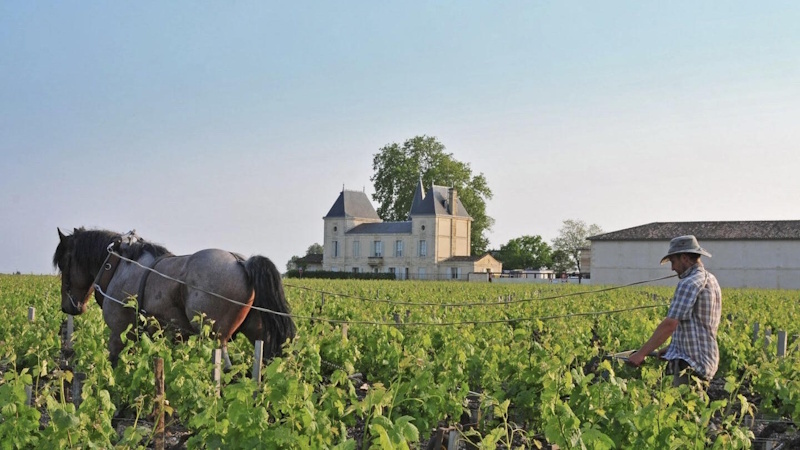
The vineyard covers 82 hectares with a complex soil composition, primarily gravelly. The best sections are on the slopes facing the Gideon River, a mixture of gravel and clay, offering excellent drainage. Some sections consist of chalky clay mixed with clay over a clay layer, while the soil at the base of the slope is non-gravelly, comprising 75% Cabernet Sauvignon, 20% Merlot Noir, 3% Petit Verdot, and 2% Cabernet Franc.
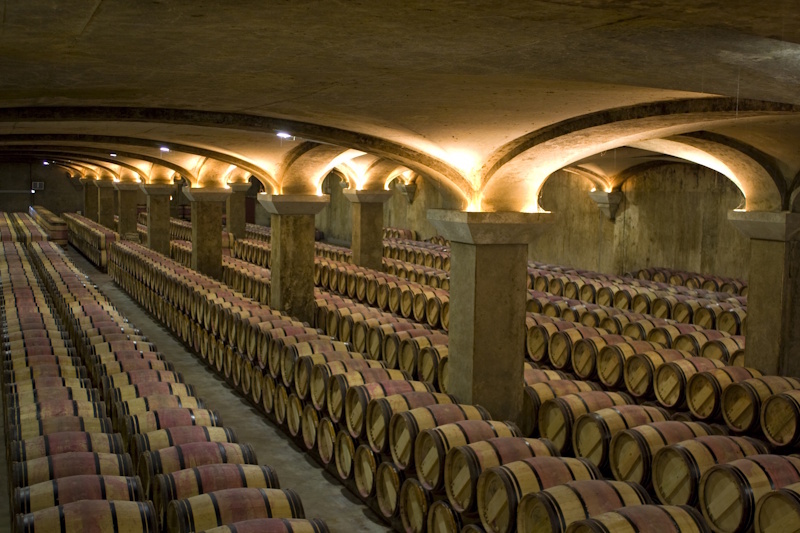
The vineyards are then aged in brand new small oak barrels for approximately 21-24 months. The barrels are racked every three months, and the vines are clarified with egg white before bottling. The vineyards are bottled unfiltered to preserve their natural flavors.