Tasting Notes
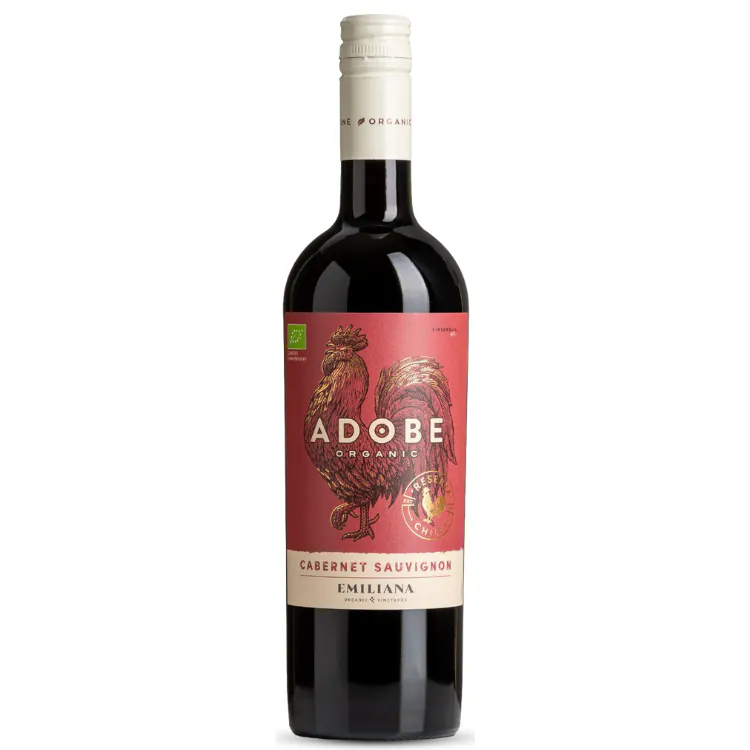
Aroma: Ripe cherry, blackcurrant, and plum fruit aromas, accompanied by notes of blackberry and spices, as well as layers of smokiness and cocoa.
Palate: Medium- to full-bodied, with well-structured, ripe tannins that deliver a firm yet smooth mouthfeel. The fresh acidity balances the fruit flavors, and the finish offers a lingering aftertaste of blackcurrant and cherry. This is an organic red wine with “smooth” tannins that is “easy to drink” and well-balanced.
Emiliana is a winery we have introduced for many years, winemaker Alvaro Espinoza I believe everyone is starting to get familiar with it, in addition to being a pioneer of Chilean biodynamic law, but also making Carmenere one of the leading figures in Chile's national Portuguese! And Emiliana was built by him – she has worked at Château Margaux, Moët & Chandon, and later worked with Bordeaux’s divine wine consultant Jacques Boissenot! They are also Hugh Johnson's Pocket Wine Book 2010 Chilean Storm Characters (only four in all)! Emiliana was his first partner after setting up his own consulting firm Geo Wines
【Brewmaster Alvaro Espinoza】
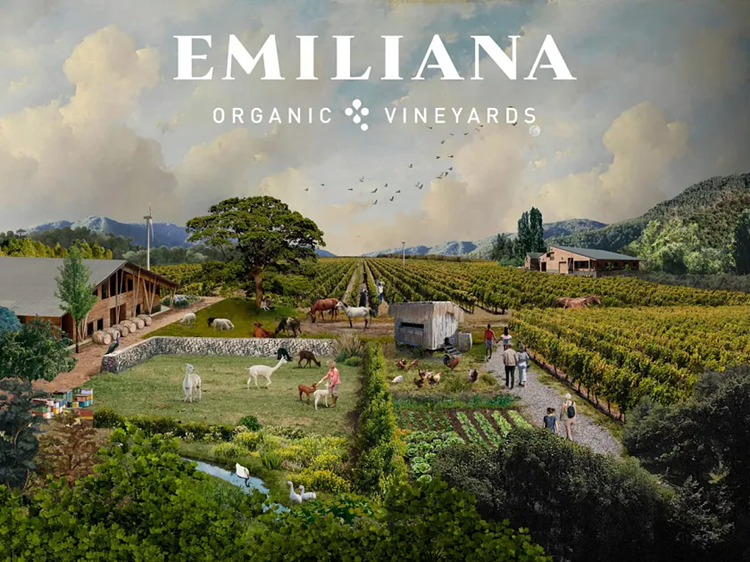
Emiliana was founded in 1986 and started to take off in the late 1990s. Owners Rafael and José Guilisasti were aware of global health and environmental protection trends early on, so they joined Álvaro to gradually create South America’s first 100% biodynamic + organic Emiliana – To date, Emiliana has more than 1000 hectares of organic vineyards. The Adobe series produced is the number one selling organic wine in Chile, with a market share of 59.9%! Incidentally, Emiliana is now owned by Concha y Toro, Concha y Toro, this Chilean No. 1 factory in addition to amazing sales, its three top wineries Almaviva, Don Melchor, Cono Sur are one of the famous Chilean Eighteen Rohans! Emiliana's flagship wine Ge has also been rated 98 points by James Suckling for many years, 2018 vintage was selected by JS as 2021 Chile 100 No
With stable quality and pioneering organic philosophy, the winery has received global recognition: has been awarded organic certification in the EU, the United States, China, Japan and other countries, as well as Demeter biodynamic, fair trade, vegan and other authoritative certifications;

【Region】
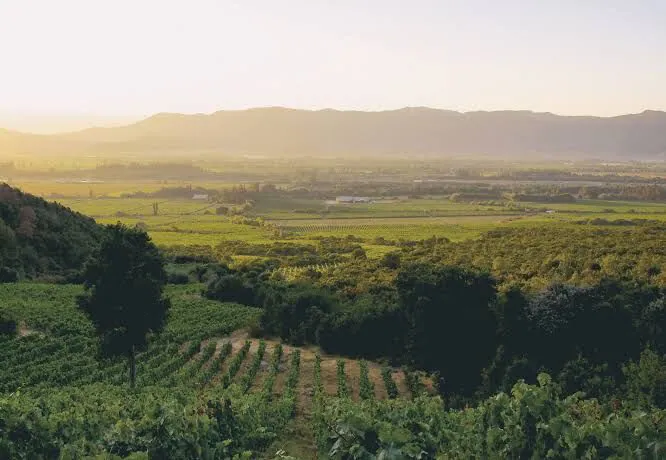
The winery owns approximately 1,256 hectares of vineyards spanning six of Chile's core wine regions, encompassing diverse terroirs from cool coastal areas to warm inland regions, providing a rich flavor base for its various wines:
- Los Robles Estate in the Colchagua Valley is the birthplace of the winery's biodynamic farming methods. Its granite soils impart a robust structure to the wines, making it the core region for its flagship wines;
- Los Morros Estate in the Maipo Valley, with its predominantly alluvial soils, is an important growing region for classic Bordeaux red varieties, particularly Cabernet Sauvignon;
- The Maule Valley, a traditional old-vine region, employs arid cultivation methods, resulting in highly concentrated fruit that imparts a full-bodied fruit flavor and robust texture to the wines;
- The Casablanca Valley and Biobío Valley, along with other cool coastal regions, primarily produce white and sparkling wines, complementing the winery's product range.
【Winemaking】
Hand-harvesting and Low-Temperature Fermentation: After hand-harvesting, the grapes are quickly transported to the winery, where they are sorted and gently crushed. Alcoholic fermentation takes place in stainless steel tanks at a controlled temperature of approximately 28°C to 30°C.
Macrotomy and Malolactic Fermentation: Maceration lasts approximately 10 to 12 days to extract color and tannins. Malolactic fermentation then follows, resulting in a more rounded wine.
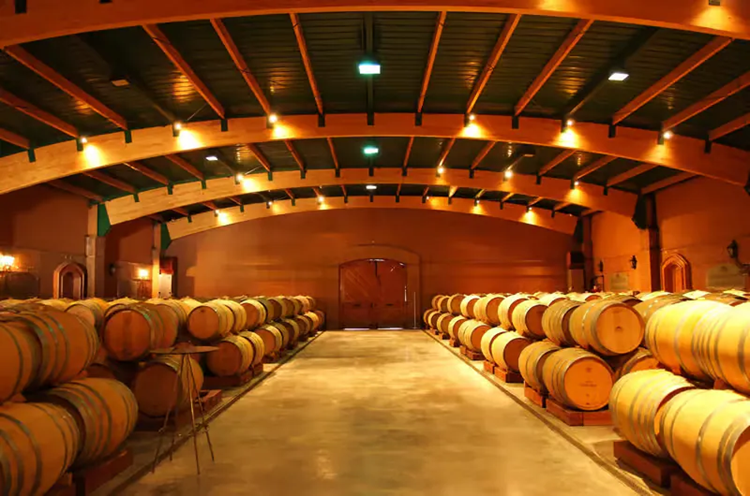
Short Oak Aging: After fermentation, the wine is aged in French oak barrels for several months (approximately six months). The purpose is not to add a heavy woody character, but rather to impart a more delicate texture and depth to the wine, while maintaining the freshness and balance of the fruit flavors.