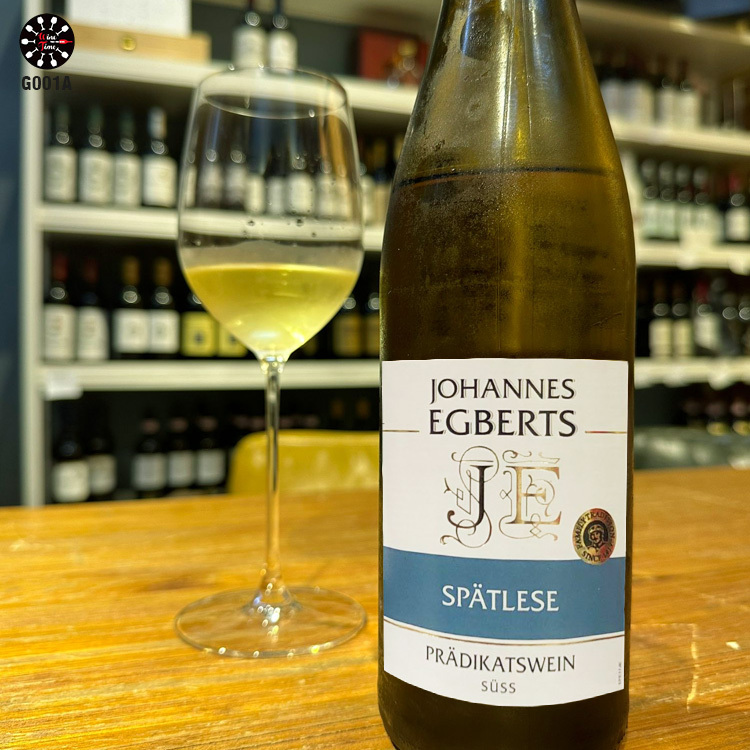
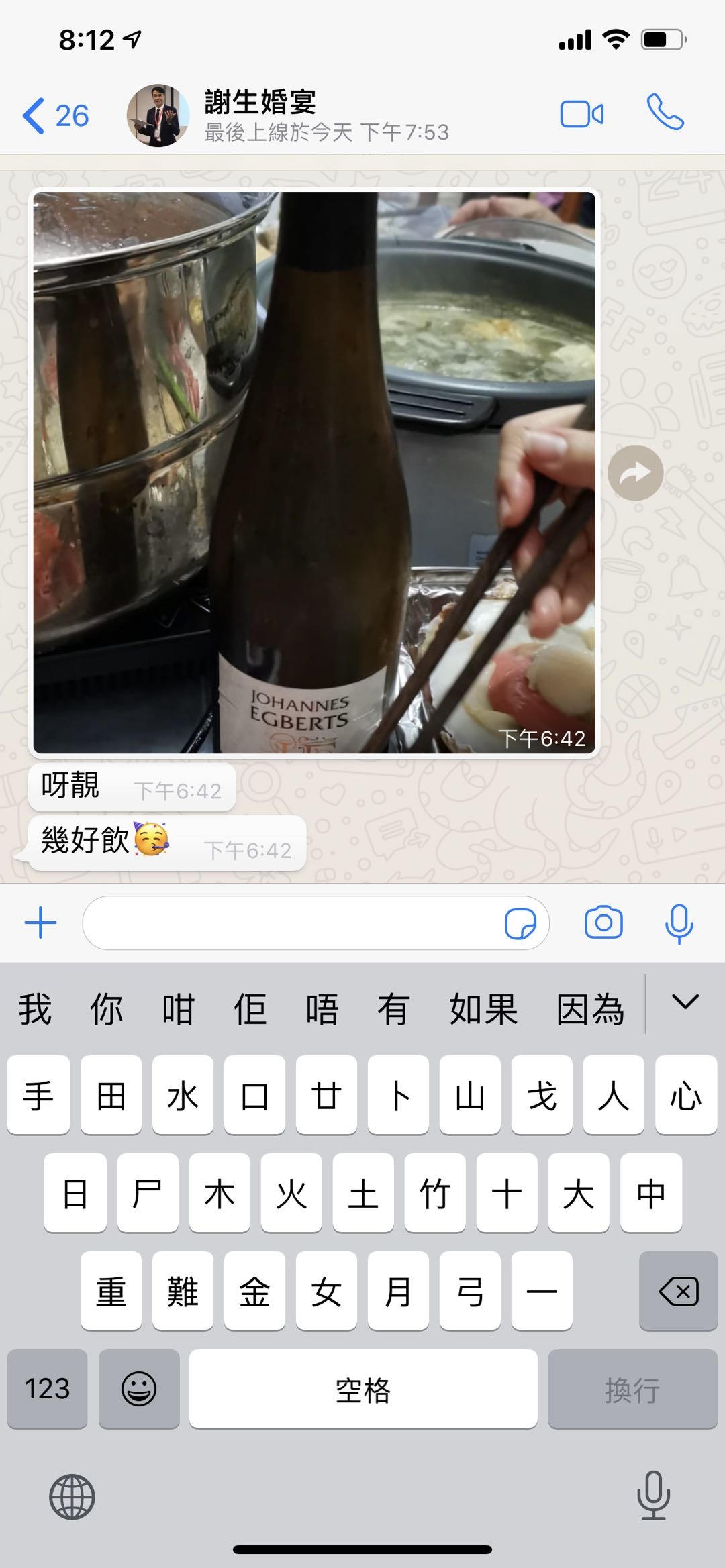
WG001C - Johannes Egberts Spatlese Riesling Rheinhessen 2023
Special Price: $80/bottle
6 bottles special offer: $420 (Averaging $70/bottle)
12-bottles special offer: $780 (Averaging $65/bottle)
Region: Germany / Rheinhessen
Classification: Spätlese, QMP (Quality Wine) - Second Sweetness Level
Grape Variety: 100% Riesling
Alcohol Content: 8.5%
Volume: 750ml
Recommended Serving Temperature: 10-12°C
Tasting Notes:
Aromas of white flowers, peach and green apple.
Green apple dominates on the palate. Compared to the “Milch der Mutter” (Mother's Milk), the key difference lies in its greater roundness and richer body, where sweetness and structure complement each other beautifully.
In truth, German off-dry whites and spicy dishes have always been good companions. They can balance the heat of the food while the spice's stimulation of the palate enhances the wine's depth and complexity.
【Over 130 Years of Winemaking Heritage】
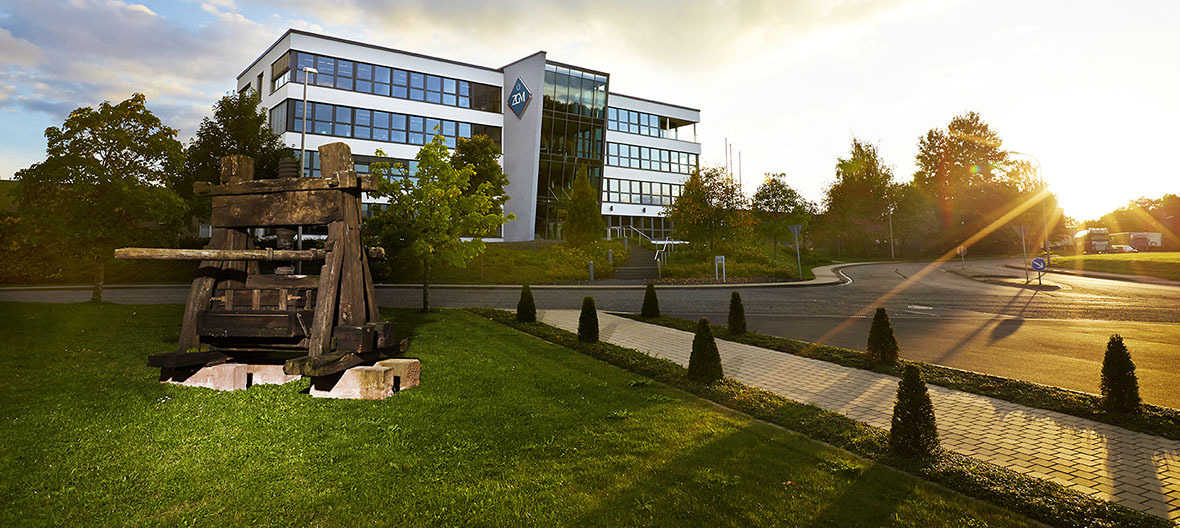
Winery - (ZGM) Zimmermann-Graeff & Müller:

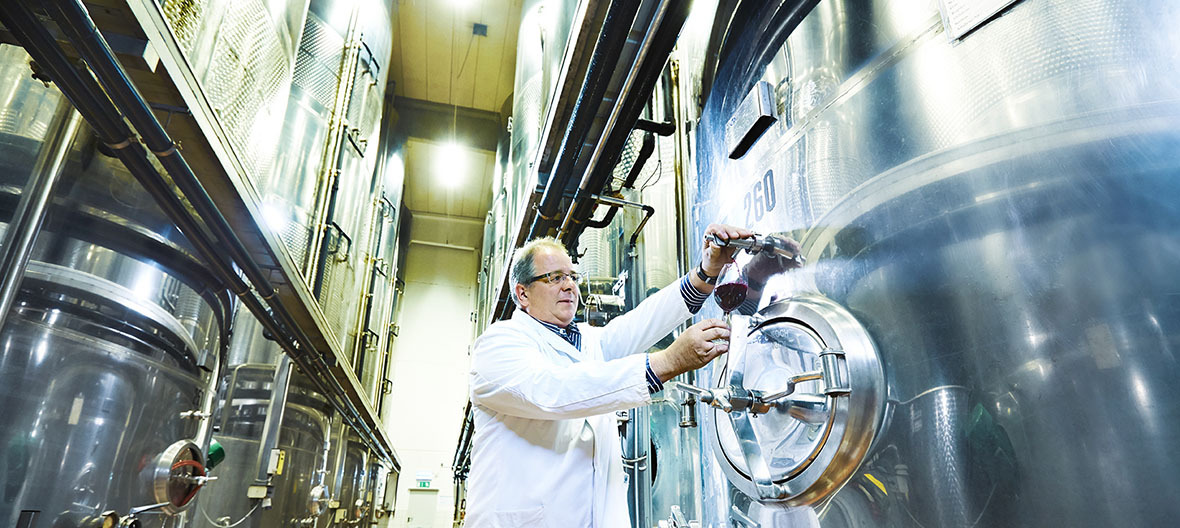
ZGM stands as one of Germany's most distinguished export companies within the wine industry. Founded in 1886 by Jacob Zimmermann, the great-great-grandfather of the current proprietors (Dr Tina Schiemann and Dominik Hübinger), it has been managed through five generations while maintaining its original ethos. The winery relocated to its present premises in December 2011, marking its 125th anniversary. With production facilities spanning 5,000 square metres, it has the capacity to produce over 500,000 bottles or 120,000 litres of wine daily. Guided by its quality philosophy, ZGM now achieves annual sales exceeding 56 million litres, with its wines distributed across 37 countries.
Zimmermann-Graeff & Müller stands as one of Germany's foremost wineries. Until 2023, it remained under the stewardship of the family's succeeding generation. In April 2023, the French wine group Les Grands Chais de France acquired a stake, with ZGM operating as an independent entity within the GCF Group, dedicated to expanding its existing global sales activities. ZGM's success is founded upon exceptional wine quality, which remains the cornerstone of all our endeavours. Decades of accumulated expertise in wine production and marketing have facilitated the development and promotion of compelling wine brands such as Michel Schneider and Roch. For the former, significant growth has been achieved through media advertising campaigns.
German Wine Classification System:
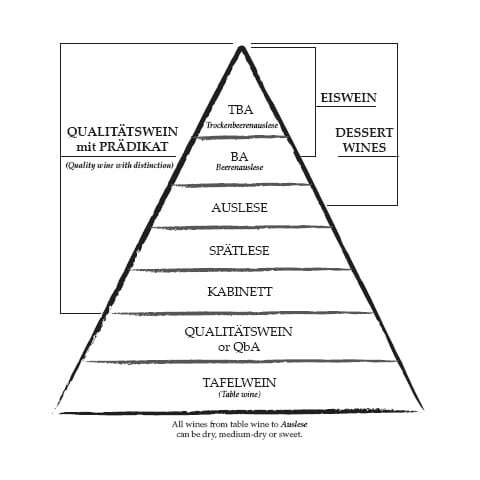
Germany's wine classification system stipulates detailed regulations regarding both the wine's origin and sugar content. Producers denote their wine's classification on labels using corresponding German symbols. Generally, German wines are categorised from lowest to highest quality as follows: Table Wine (D.Wein), Regional Table Wine (Landwein), Quality Wine (Qualitatswein), and Prädikat Wine (Prädikatswein).
Quality Wine (Qualitatswein):
Quality Wine requires grapes to originate from one of Germany's 13 designated wine-growing regions. Typically exhibiting more subtle flavours than higher classifications, it permits the addition of sugar. Sweetness levels are distinguished by the following German symbols:
1. Dry (Trocken/Selection)
2. Semi-dry/Slightly sweet (Halbtrocken/Classic)
3. Semi-dry (Feinherb)
4. Semi-sweet (Liebliche)
5. Sweet (Sub or Suss)
Premium Quality Wines (Pradikatswein):
This category further subdivides wines based on grape ripeness. Grapes with higher sugar content yield sweeter wines with greater alcohol concentration.
The renowned ice wine (Eiswein) is also produced in Germany and falls within this classification.
1. Kabinett: The lightest-bodied category, available in both dry and semi-dry styles.
2. Spätlese: Although bottles may bear the term ‘Trocken’ (dry), Spätlese wines typically exhibit higher sweetness than Kabinett, with a fuller body and notes of citrus and pineapple.
3. Auslese: Hand-picked and partially affected by noble rot, Auslese wines can be dry but generally exhibit higher sweetness and greater body than Spätlese.
4. Beerenauslese (BA): Rieslings crafted from individually selected grapes yield modestly, as these must bear noble rot. Commonly sold in half-bottles, their rarity underscores their exceptional value.
5. Grape-by-Grape Selected Raisin Wine (Trockenbeerenauslese or TBA): This represents the lowest yield category, typically boasting sugar levels approximately 30% higher than Beerenauslese wines.
6. Ice Wine (Eiswein): Produced by manually harvesting grapes frozen on the vine during winter nights and promptly pressing them to yield ice wine.