相關推薦文章:
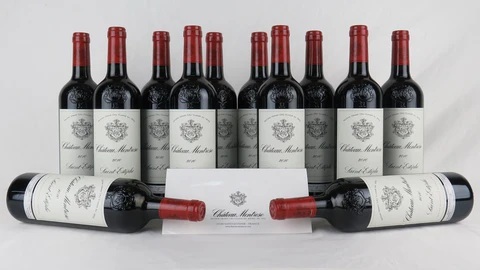
Chateau Montrose 玫瑰莊園
Winery
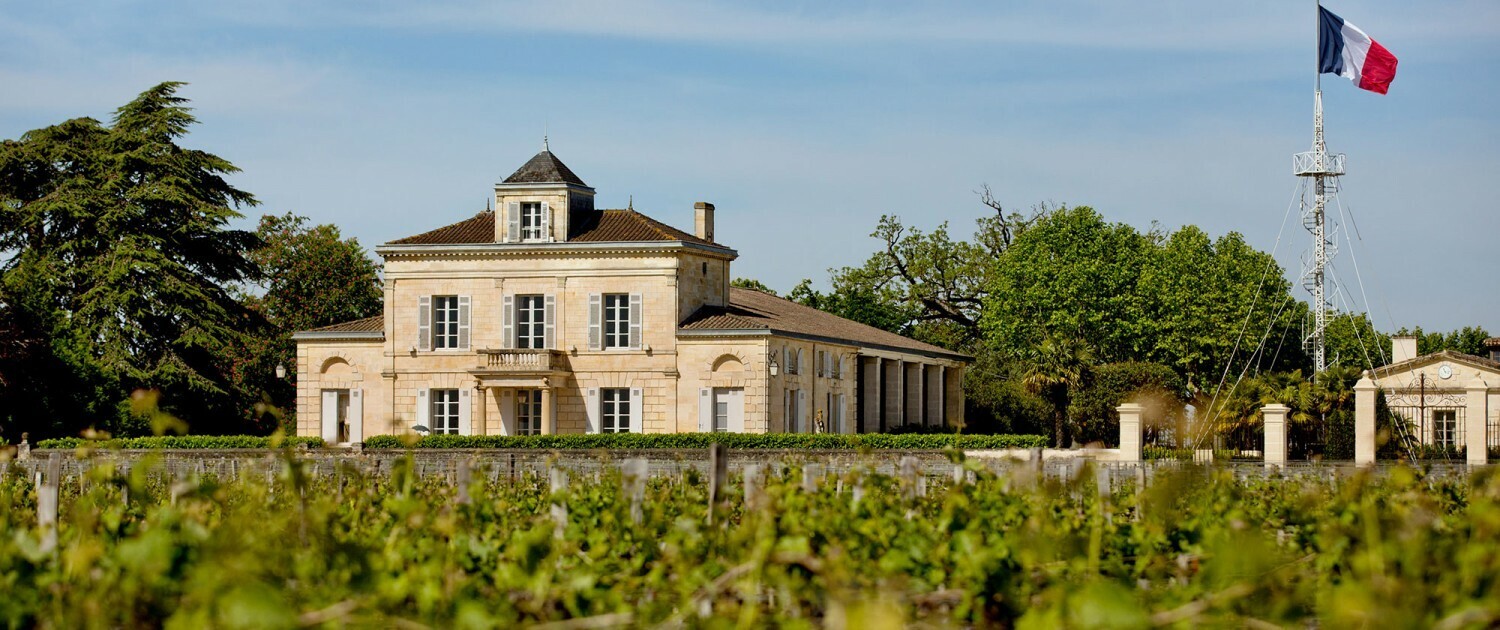
The history of Montrose, written in two centuries by three families of owners, is depositary of their spirit, marked by their quest of excellence and legendary vintages. Pioneers in the Médoc, visionary builders and wise managers, all these families knew how to work and valorise this unique terroir. The estate owes them the foundation on which Montrose builds its image today and its unique place in the world of exceptional wines.
The result of rigorous selection at each stage of production, in both the vineyard and the winery, this great, predominantly Cabernet Sauvignon wine is typical of the Saint-Estèphe appellation. Structured and tannic but with all the elegance and refinement of a Grand Cru Classé, with time it develops a delicate and complex bouquet.
Region
Blessed with undisputed natural assets combined with advantages nurtured over the centuries, Château Montrose has one of the region’s most privileged winegrowing terroirs.
The 95-hectare (234-acres) vineyard surrounds the château, the winery and the outbuildings in a single continuous sweep, an exceptional and historically very rare feature. As well as making the vineyard easier to work, this unity means that it can be treated as a single entity, providing ideal conditions for efficient organisation and for monitoring the condition of each parcel.
The Montrose terroir corresponds to what geologists call “elite cores”. Over millions of years, a complex process of geological layering resulted in the creation of outcrops, ideal for making fine wines and ensuring natural drainage towards the estuary.
The soil on these terraces consists of gravel mixed with sand on the surface over a clay-rich subsoil in which natural reserves form at depth, providing the vines with the water they need.
At Château Montrose, the largest parcel is two hectares (five acres), the smallest only a few hundred square metres, but each has its own personality, its own particular soil or subsoil, and vines whose age, yield, variety or rootstock are different from those of its neighbour. In the end it is the wine itself which, in its own way, brings this amazing patchwork together, since it is both the result and the synthesis of each micro-terroir.
Winemaking
The wines have considerable ageing potential and are exceptionally long-lived. Certain vintages (1921, 1929, 1982, 1990, 2009) are considered legendary.
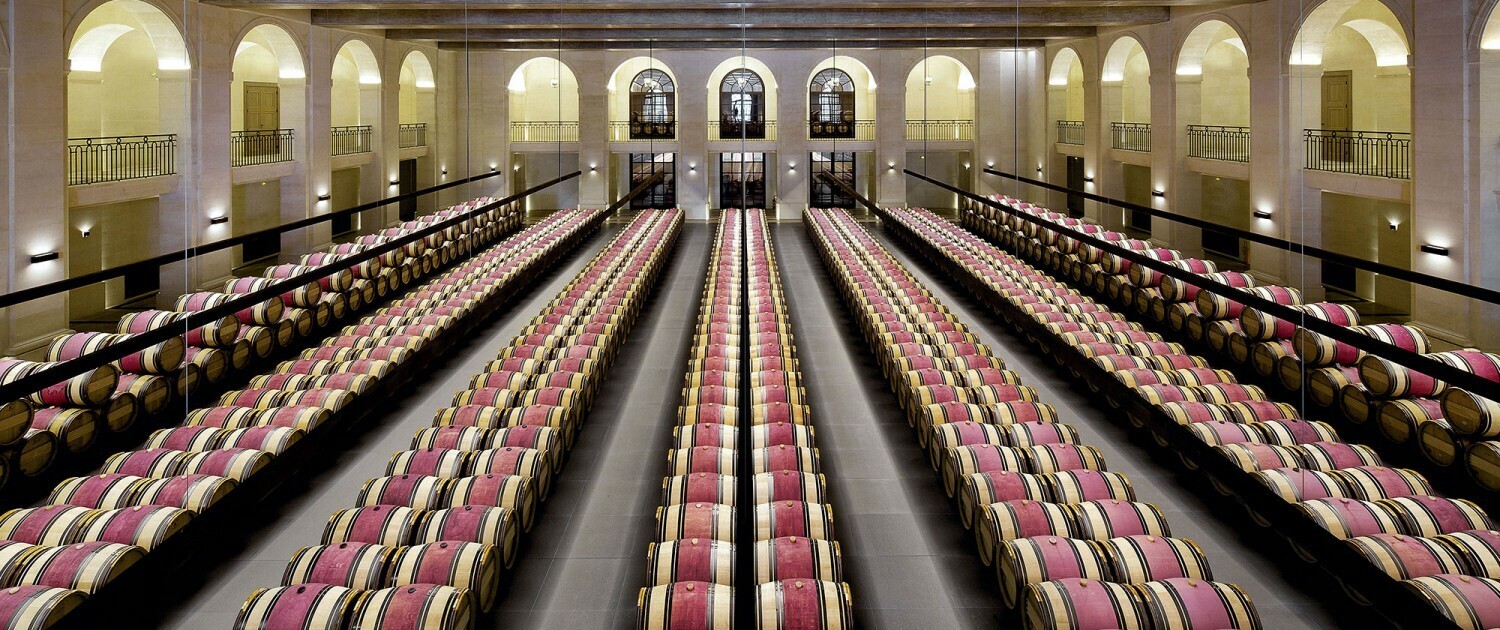
Matured for 18 months in 60% new French oak barrels, the premium wine accounts from 35 to 40% of the total production of Château Montrose.
Rating
James Suckling 95-96 pts
A very classy and refined Montrose with excellent length and a compact, medium-bodied palate, showing fine, silky tannins and a fresh, bright finish. Lots of currant, blackberry and tar at the end, as well as some graphite. 62% cabernet sauvignon, 31% merlot, 6% cabernet franc and 1% petit verdot.
Wine Advocate 94-96 pts
A brilliant achievement, the 2021 Montrose is reminiscent of a purer, more precise, modern-day version of the estate's 1996. Unwinding in the glass with aromas of blackcurrants, pencil shavings, sweet loamy soil, black truffle and nicely integrated new oak, it's full-bodied, layered and concentrated, with terrific depth at the core, lively acids and a seamless, harmonious profile. Exhibiting beautifully refined tannins and an impressive sense of completeness, it's a blend of 62% Cabernet Sauvignon, 31% Merlot, 6% Cabernet Franc and 1% Petit Verdot—standing out as one of the few top wines of the vintage that actually includes more Merlot and less Cabernet than in recent years.