【Chateau Musar, the King of Lebanese Wines】
【Lebanon's first winery to receive organic certification】
ZL003 - Musar Jeune Blanc 2023
Price:$180/Bottle
Type:White Wine
Grape Varieties:34% Viognier、33% Vermentino、33% Chardonnay
Region:Lebanon / Bekaa Valley
ABV:12.5%
Volume:750ml
Tasting Notes
Château Musar "Musar Jeune Blanc 2023" is an unoaked everyday white wine created by the legendary Lebanese winemaker Château Musar to showcase the bright and refreshing style of the modern Mediterranean.
This 2023 vintage breaks away from the traditional style of the winery's high-end flagship white wines, characterized by a heavy, long aging process with strong oxidative and beeswax-nut notes. It is characterized by its immediate drinkability, exuberant fruit aromas, and remarkably mineral clarity.
Winery

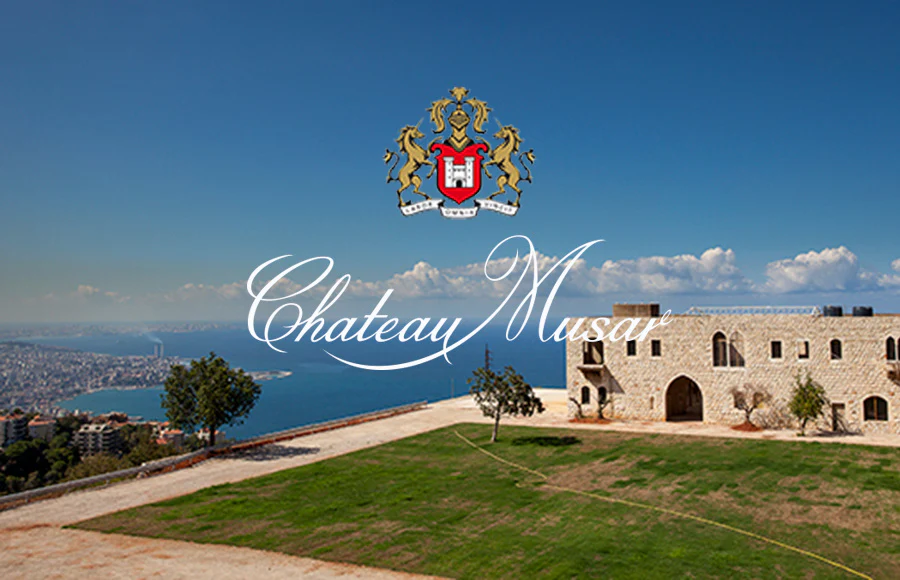
Chateau Musar, one of Lebanon's most prestigious wineries, is located in the Bekaa Valley in eastern Lebanon and is managed by the Hochar family.
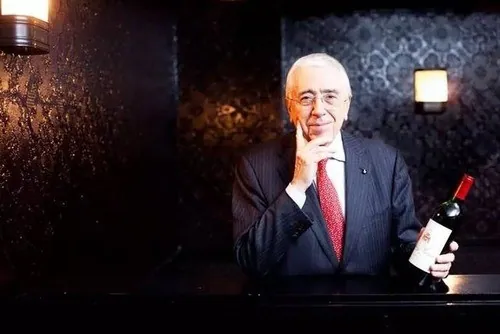
The Hochar family's ancestors originally lived in France and settled in what is now Lebanon in the 12th century. In 1930, Gaston Hochar established Chateau Musar, influenced by Lebanon's over 6,000-year history of viticulture and winemaking, and also by his travels to Bordeaux. In 1941, Major Ronald Barton, owner of Chateau Langoa-Barton, was stationed in Lebanon and became friends with Gaston. Their relationship strengthened the connection between Chateau Musar and Bordeaux, significantly influencing the winery's winemaking style. Gaston's eldest son, Serge Hochar, was originally a civil engineer. Encouraged by his father, he decided to study oenology at the University of Oenology in Bordeaux and became the winemaker at Château Moussa in 1959. He then spent 18 years exploring and perfecting the blending ratios of the Château Moussa red wines. In 1984, Serge was named "Man of the Year" by Decanter magazine, in recognition of his continued dedication to producing high-quality red wines during the Lebanese Civil War.
Region
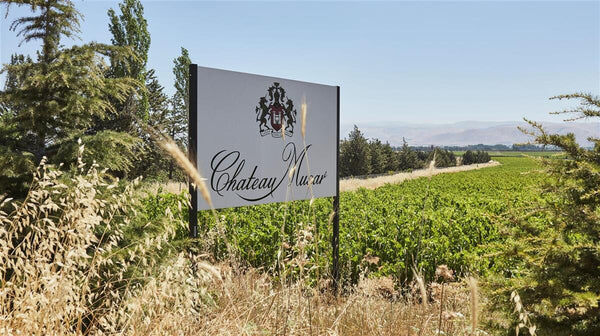
Chateau Musar's red vineyards are located at the southern end of the Bekaa Valley, north of Lake Karen, and approximately 30 kilometers southeast of Beirut. Close to the villages of Ana and Kefraia, the vineyards feature gravelly soils over limestone, ideal for viticulture. This diverse soil type and orientation contribute to the distinctive and complex character of the wines.
The grape varieties used to make Chateau Musar reds are Cabernet Sauvignon and Southern Rhône's Censor and Carignan. These vines are old and mature, yielding up to 30 to 35 hectoliters per hectare.
The two ancient indigenous white grape varieties, Obaid and Merwa, prefer cooler climates and are grown on higher hillsides at an altitude of approximately 1500 meters.
Every wine from Musar is made naturally using a "non-interventionist" winemaking philosophy. The winery was the first in Lebanon to obtain organic certification for both its Chateau Musar red and white grapes in 2006.
Winemaking
Completely unoaked, preserving the freshness of the varietal.
The grapes are all hand-harvested and then fermented independently in temperature-controlled (approximately 18–22°C) stainless steel or cement tanks. After fermentation, it undergoes no oak barrel aging (unoaked), is blended, cold-stabilized, and quickly bottled in the spring of 2024. This process perfectly locks in the purest floral and fruity fragrances and crispness.