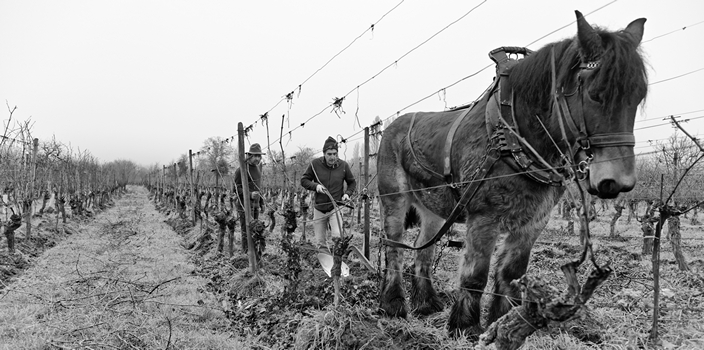
【Alsace 7th generation family】
【Organic certified + biodynamic + low sulphur natural winery】
【No Sulphur organic certified natural wine】
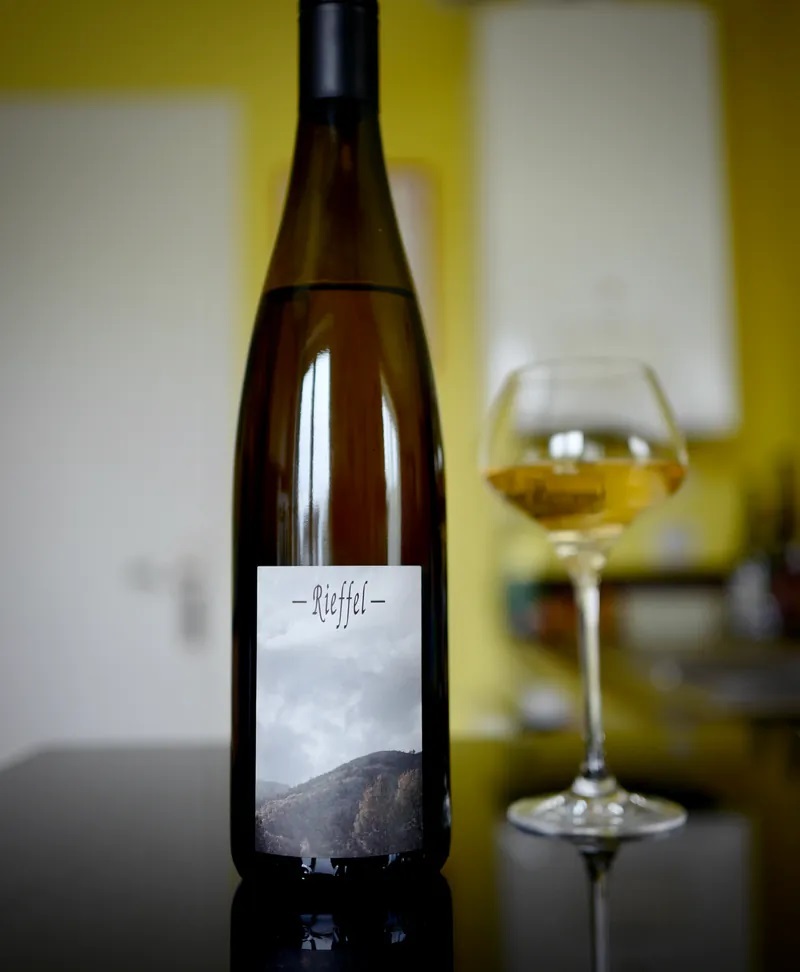
ZF1059 - Rieffel Grand Cru Wiebelsberg Riesling Alsace 2019
$320/Bottle
Type:White Wine
Grape Varieties:100% Riesling
Region:Alsace
ABV:13.5%
Wiebelsberg Grand Cru, located in the village of Andlau, is most famous for its Triassic pink sandstone soil on steep slopes. This soil imparts to Riesling an extremely rare combination of elegant flint aromas and a silky texture, along with a slightly salty, mineral character reminiscent of sea salt. Furthermore, the 2019 vintage was unanimously recognized by leading wine critics worldwide as "one of the greatest vintages of Alsace in the last decade," with an annual production and global distribution of only about 2,500 bottles. Grand Cru wines in Alsace represent only about 4% of the total production, and this bottle is an extremely rare exception within that 4%!
【Winery】
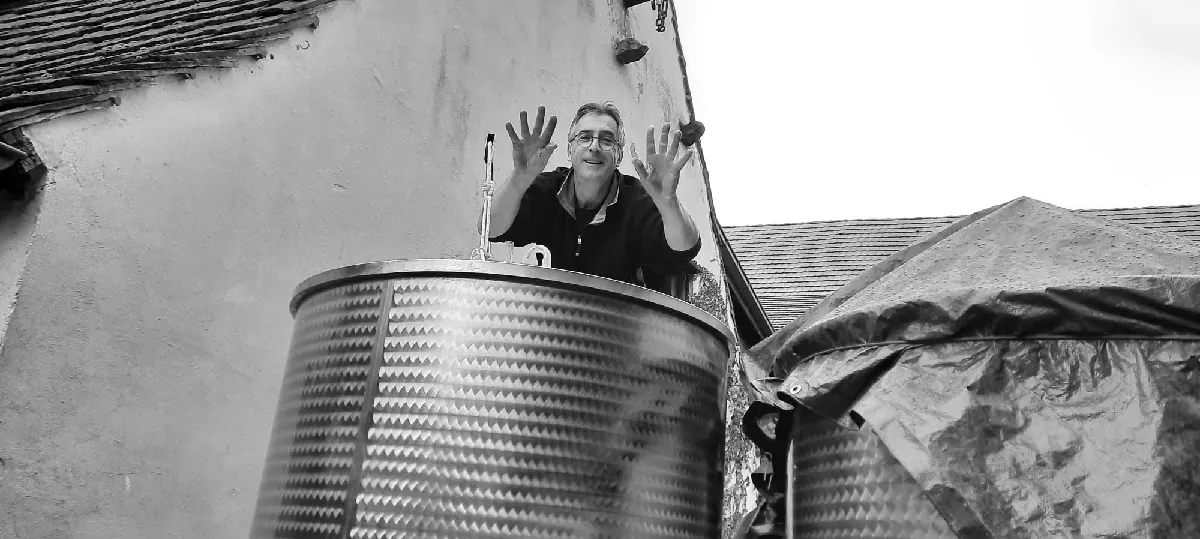
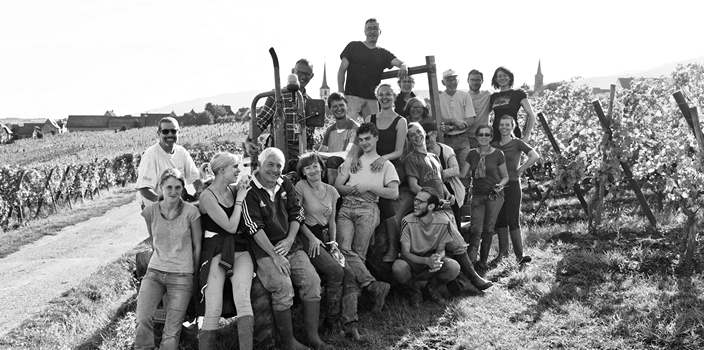
The Rietsch family established themselves in Mittelbergheim, Alsace, as early as the 17th century, initially engaging in grape trading before gradually transitioning to agriculture. Finally, in 1970, the seventh generation, Pierre and Doris Rietsch, transformed the family business from multi-crop production into a winery. Today, it is managed by Jean Pierre Rietsch and his wife Sophie, with assistance from Pierre-Etienne Grieshaber in biodynamic farming, and a company, La Main Verte, responsible for vineyard management, creating this natural Alsatian winery.
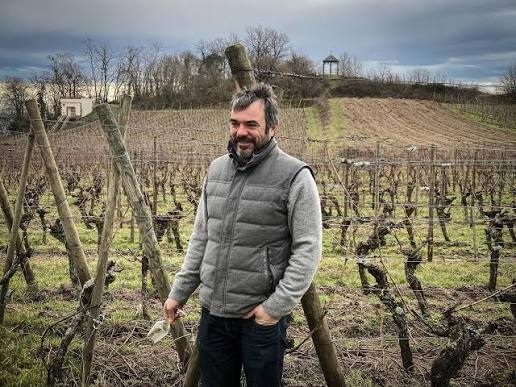
Domaine Rieffel, a "soul winery" even sommeliers and Michelin-starred restaurants secretly stock up on, is owned by Lucas Rieffel, who completely overturns the common perception of Alsace. Deeply influenced by André Ostertag, a pioneer of Alsatian natural wines, he perfectly blends organic farming, low-intervention, and the pure elegance of Burgundy. "We don't create flavors, we are merely translators of terroir." With this motto, Lucas Rieffel propelled Domaine Rieffel to the highest echelons of international winemaking, embracing "purity, leanness, and nature." Since taking over the winery, Lucas Rieffel has fully embraced organic farming, abandoning all chemical fertilizers and pesticides, and in 2014 obtained Ecocert organic certification. Employing minimally invasive natural winemaking methods, he insists on entirely hand-harvesting, fermentation with native yeasts, no added sugar (No Chaptalization), no over-filtration, and lees aging for several years in old Burgundy oak barrels.
Domaine Rieffel, whether red or white, is characterized by its extremely crisp "bone-dry" character—extremely dry, extremely pure, and possessing remarkable vertical tension!
La Revue du Vin de France (RVF), France's most authoritative and rigorous wine magazine, has long regarded Lucas Rieffel as a representative of Alsace's "organic and natural" approach and "ultimate expression of terroir," giving Domaine Rieffel extremely high praise.
The Wine Advocate-Parker team has repeatedly awarded Rieffel's flagship wines exceptionally high scores of 92-95 points. Their reviews frequently mention "Vertical Tension," "Pure Salinity," and "Remarkable Precision," particularly praising his Riesling Grand Cru Wiebelsberg and Pinot Noir, believing that his red wines exhibit elegance, delicacy, and wild aromas comparable to top Burgundy vineyards.
The authoritative British magazine Decanter has specifically hailed Lucas Rieffel as one of Alsace's most talented master craftsmen.
【Region】

The winery covers 12 hectares and has been fully organic since 2008. It also adheres to biodynamic, low-sulfur, and additive-free natural winemaking processes. The grapes are usually pressed with the stems, using a gentle pneumatic press for a longer pressing time to ensure the purity of the grapes while extracting sufficient flavor. Natural yeasts are used to increase complexity, and no acidity or sugar is added except for sulfur dioxide, showcasing the terroir characteristics. It is also willing to try new processes and is one of the few Alsace producers who use grape skin maceration. They believe that the tannins and color extracted from the skins bring better structure and stability to aromatic grapes such as Muscat, Pinot Gris, or Gewuztraminer, which sometimes lack acidity, and also extract more flavors to make the wine more complex and bring out a more special experience. In 2008, it began to switch all non-Grand Cru wines to twist-top caps, allowing it to further reduce the use of sulfur dioxide.
【Winemaking 】
Grapes are typically pressed with their stems, using a gentle pneumatic press for a longer pressing time to ensure the purity of the grapes while extracting sufficient flavor. Natural yeasts are used to increase complexity, and no acidity or sugar is added except for sulfur dioxide, showcasing the terroir characteristics. Alsace producers are also willing to try new processes and are among the few who macerate grapes with their skins. They believe that the tannins and color extracted from the skins bring better structure and stability to aromatic grapes such as Muscat, Pinot Gris, or Gewuztraminer, which sometimes lack acidity, and also allow for the extraction of more flavors, making the wine more complex and offering a more unique experience. In 2008, Alsace began converting all non-Grand Cru wines to twist-top caps, allowing them to further reduce the use of sulfur dioxide.