【Domaine Vincent Pinard】
【Loire Valley Pinot Noir Red Wine】
【Oak barrel aging for 15 to 17 months】
【Vivino 3.9】
F1639 - Vincent Pinard Pinot Noir Sancerre Rouge2022
Special price: $299/bottle
Production area: France/LoireValley/Sancerre
Grape variety: 100% Pinot Noir
Alcohol content: 14%
The Pinot Noir used in the wine is 100% destemmed, soaked at low temperature and fermented, and then placed in oak barrels for 15 to 17 months. The aroma is dominated by red fruits, leather, roasting and burning, with a touch of spice. You can clearly feel the thick and rich taste in the mouth, with soft and delicate tannins, a round taste, and a bright and delicate wine body accompanied by beautiful fruit acid and black cherry aromas.
【Sancerre (Sancerre) | Loire Valley】
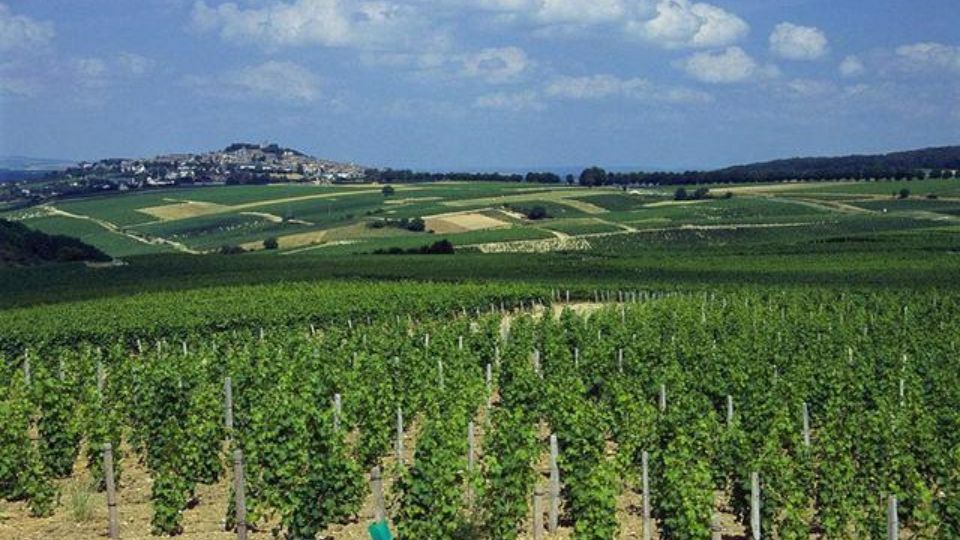
Sancerre is located in the Loire Valley, in the central and western part of France. It has a warm continental climate, with warm and dry summers. River Loire runs through the entire Loire Valley production area. Sancerre is located in the upper reaches of the river. It is the longest river in France, crossing central France, originating from Massit Central in southeastern France, and running straight from east to west into the Atlantic Ocean. Winemaking has a long history and the local wine has been famous since the 12th century. In fact, in the 1860s, the Sancerre production area was mainly planted with Pinot Noir (Pinot Noir) and Gamay (Gamay). Later, after the outbreak of grape phylloxera, most of the Gamay grapevines died, leaving only For a small number of Pinot Noir trees, grape growers use the grafting method, using grape tree heads grown in the United States, to graft local grape vines in France to avoid the attack of the aphid disease. With this grafting method, they grow in Sauvignon Blanc. The effect is most significant, so Sauvignon Blanc has become the most important grape variety in Sancerre.

Sancerre is close to Chablis, only 80 kilometers apart. With the Lorie River regulating the temperature, the climate is warmer than Bourgogne. This environment is very suitable for the growth of Sauvignon Blanc. There are three main types of local soil components: chalk soil with shell fossils; gravel soil mixed with limestone; and flints. Under the influence of this terroir, Sancerre's Sauvignon Blanc wine is fresh and refreshing, with a fruity aroma and generally a light mineral flavor. The wine produced in Sancerre is 75% white wine, 20% red wine, and the remaining 5% is pink wine. The Sancerre AOC stipulates that only Sauvignon Blanc grapes can be used for white wine, and only Pinot Noir can be used for red wine and pink wine. The soil of Sancerre is mainly chalk soil, mixed with limestone gravel soil and flints soil, which will give the liquor a delicate personality, often with a mineral flavor of flint. Sancerre's white wines place great emphasis on co-fermentation and soaking with dead yeasts (sur lie). This treatment method can reduce acidity and increase the roundness in the mouth.
【Domaine Vincent Pinard】
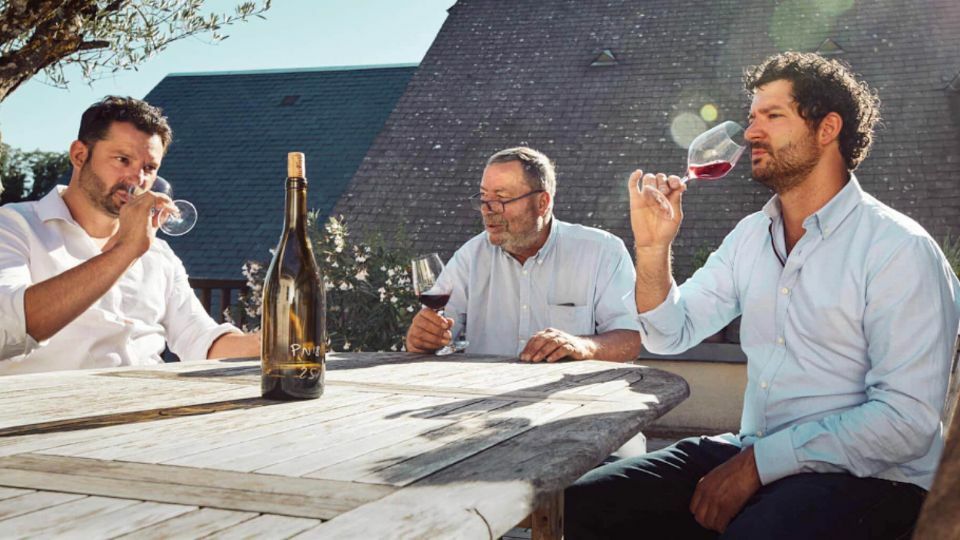
Domaine Vincent Pinard is located in the village of Bue in the Sancerre region. The Pinard family has a long history and has been engaged in the winemaking industry since the 16th century, and has been passed down in Sancerre for 20 generations. However, the winery was not established until 1996, but now it is one of the most representative wineries in the Sancerre region. The winery is currently run by Florent and Clemente Pinard, the two sons of the old owner Vincent. They not only inherit the traditional winemaking methods that have been followed for hundreds of years, but also actively innovate, such as converting vineyards to organic cultivation, strictly controlling yields, using natural yeast for fermentation, and reducing the use of sulfur dioxide, etc.
(Picture: left to right/Florent Pinard, Vincent Pinard, Clemente Pinard)
The winery uses Sauvignon Blanc and Pinor Noir, two of the most famous grapes in the Sancerre region. Currently it has 17 hectares of vineyards spread over about 40 different plots. The average age of the vines is 35 years. The use of herbicides and other chemicals is avoided, and grapes are harvested manually to ensure the quality of the wine through careful selection of grapes. During brewing, 100% stems are removed, natural yeast is used for fermentation, and no filtration or clarification is performed before bottling. We adhere to the principle of minimal intervention and are committed to brewing the most accurate and pure high-quality wine.