{{ 'fb_in_app_browser_popup.desc' | translate }} {{ 'fb_in_app_browser_popup.copy_link' | translate }}

{{ 'in_app_browser_popup.desc' | translate }}

買滿任何酒類 六支 或買滿 $1200 (不限支數) 皆可享免費送貨

精選波爾多葡萄酒

Wedding Wine 婚宴酒試酒服務

Your Shopping Cart is empty.
{{ (item.variation.media ? item.variation.media.alt_translations : item.product.cover_media.alt_translations) | translateModel }} {{ (item.variation.media
                    ? item.variation.media.alt_translations
                    : item.product.cover_media.alt_translations) | translateModel
                }}
{{ 'product.bundled_products.label' | translate }}
{{ 'product.bundle_group_products.label' | translate }}
{{ 'product.buyandget.label' | translate }}
{{ 'product.gift.label' | translate }}
{{ 'product.addon_products.label' | translate }}
{{item.product.title_translations|translateModel}}
{{ field.name_translations | translateModel }}
  • {{ childProduct.title_translations | translateModel }}

    {{ getChildVariationShorthand(childProduct.child_variation) }}

{{ 'product.set.open_variation' | translate }}
  • {{ getSelectedItemDetail(selectedChildProduct, item).childProductName }} x {{ selectedChildProduct.quantity || 1 }}

    {{ getSelectedItemDetail(selectedChildProduct, item).childVariationName }}

{{item.variation.name}}
{{item.quantity}}x HK$0 {{ item.unit_point }} Point
{{addonItem.product.cover_media.alt_translations | translateModel}}
{{ 'product.addon_products.label' | translate }}
{{addonItem.product.title_translations|translateModel}}
{{addonItem.quantity}}x {{ mainConfig.merchantData.base_currency.alternate_symbol + "0" }}
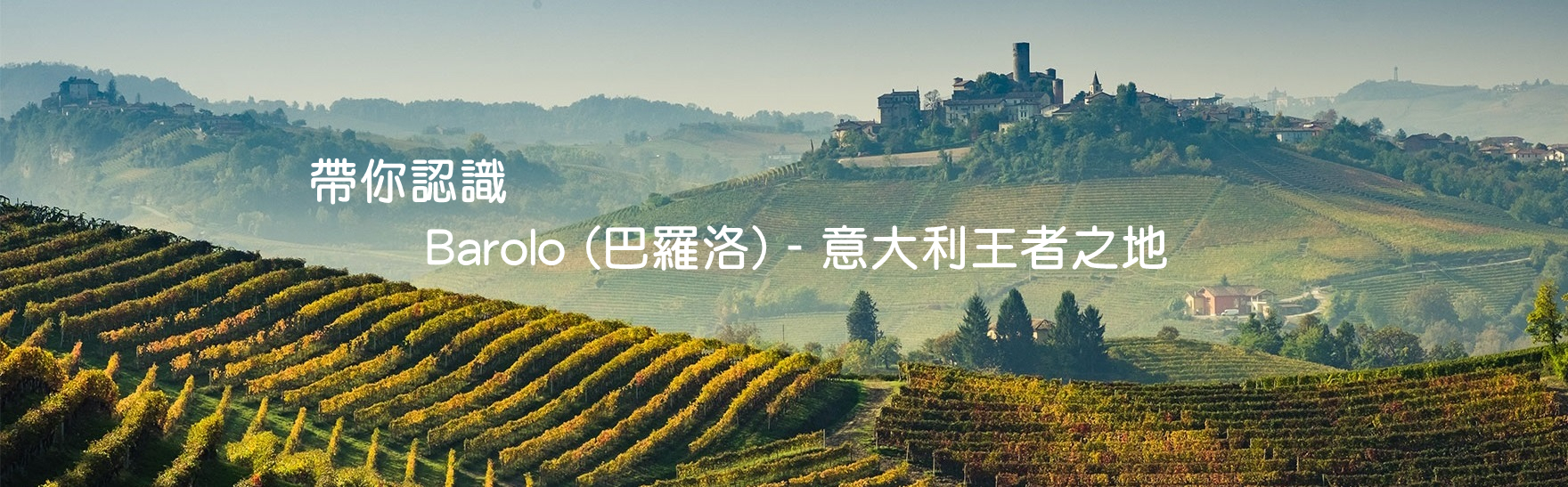
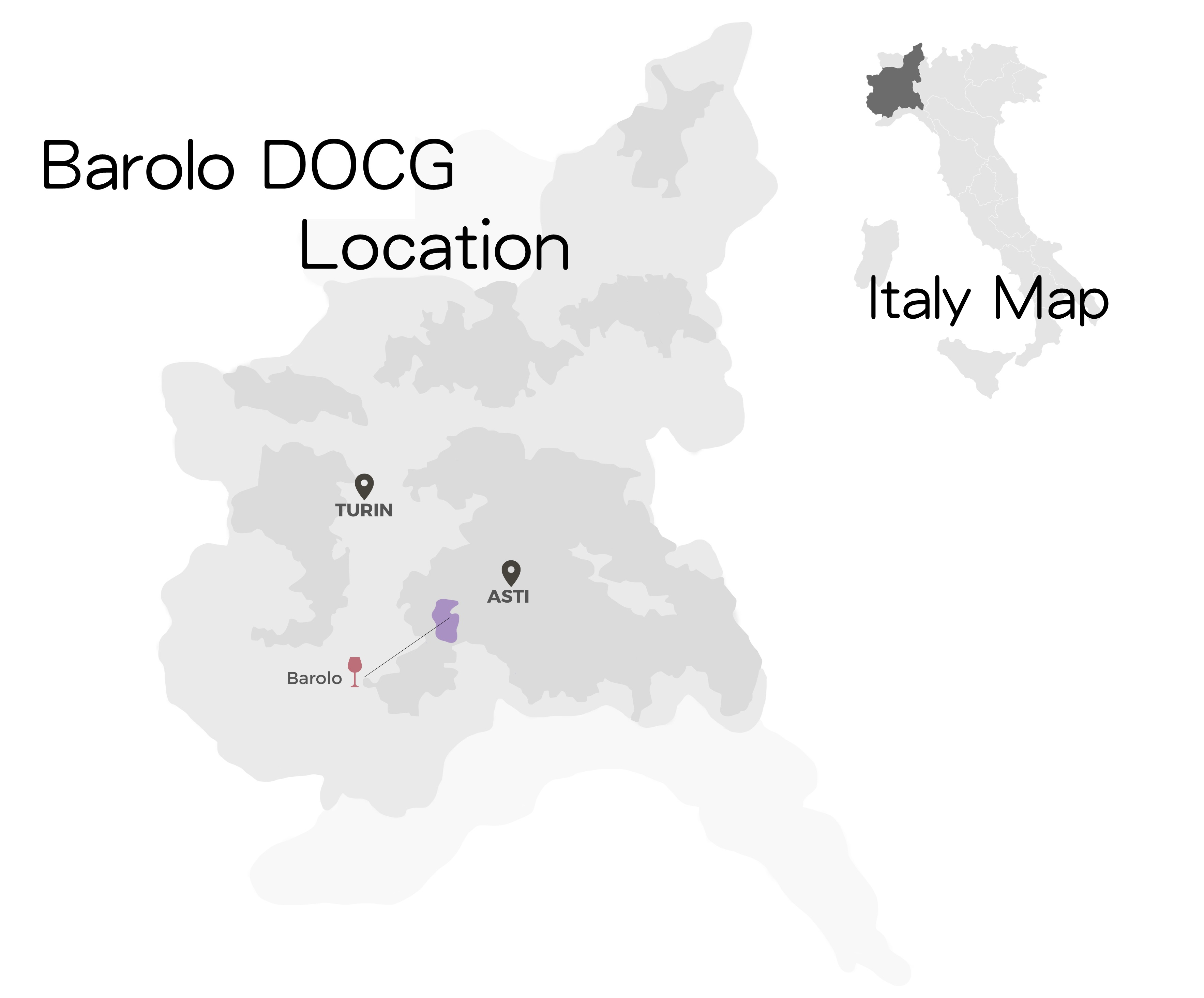
Geographic Location


Barolo is an Italian DOCG wine produced in the Northern Piedmont administrative region (Piedmont), which is the largest and most important wine region in Italy. Barolo (Barolo) wine is the earliest Italian wine to be rated as DOCG. The pride of Piedmont, through centuries of ups and downs, Barolo wine has become a status symbol for wine lovers, with a strong personality of its own.

The wine produced by Barolo has won the reputation of the king of wine in a very early age. Barolo's red wine is often on the table of King Louis XIV of France.

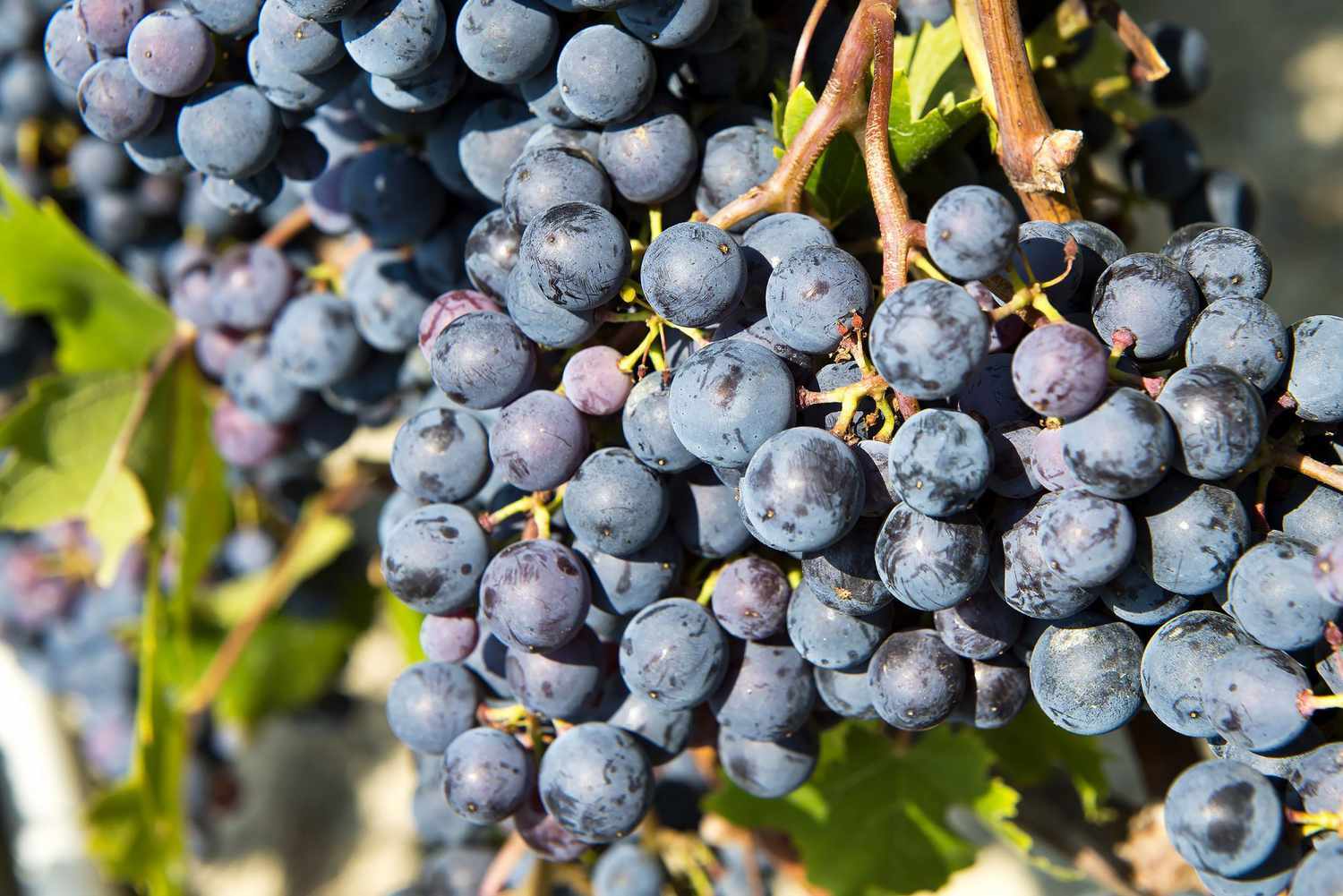
Nebbiolo (Nebbiolo)


as required by law

Barolo DOCG must use 100% Nebbiolo


According to the regulations, Barolo DOCG guarantees that Nebbiolo grapes in the AOC must be planted on hilly slopes, not on valley bottoms or flat lands. The planting altitude should not be lower than 170 meters and not more than 540 meters. This will protect them from late spring frosts while still getting enough temperature and heat.


Vineyards must be oriented towards ideal maturity, usually south facing hills (due south, southeast or southwest). Because Nebbiolo grapes require more leaves for photosynthesis than other varieties to achieve ideal maturity, they grow vigorously.


According to the production regulations of Barolo DOCG, the planting density of Nebbiolo grape vines per hectare should not be less than 3,500, and the Guyot cultivation method should be adopted.


The maximum yield per hectare of vineyard shall not exceed 8 tons. If the single garden (MGA) or vineyard name appears on the wine label, the maximum yield per hectare cannot exceed 7.2 tons.

Regarding the characteristics of Barolo wine, Robert Parker (Robert Parker) commented: "This wine is resolute and unyielding, with extremely strong tannins. It is often difficult to approach when the wine is young." Barolo wine has a variety of complex aroma types, the most typical Aromas of tar and rose are featured, along with a variety of other aromas, including plum, chocolate, dried fruit, eucalyptus, leather, mint, mulberry, spices, white truffle, and dried and fresh herbs. Another outstanding feature of Barolo wines is their firm structure and resistance to ageing.

Aging time requirements


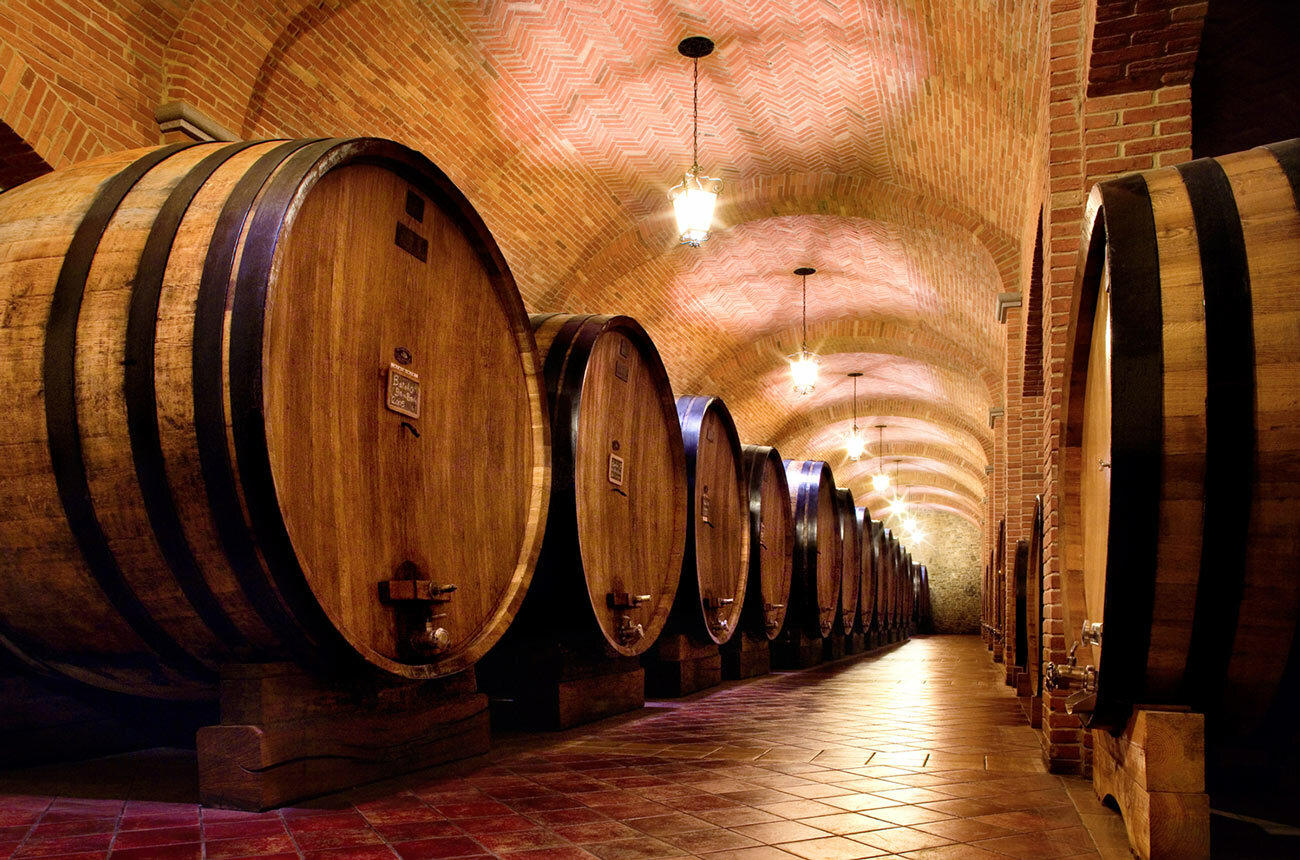
In 1980, Barolo, together with Barbaresco and Brunello di Montalcino, became the first batch of Italian wine regions to be classified as DOCG. Barolo’s brewing regulations stipulate that Barolo must be aged for at least 38 months (62 months for the Riserva series), of which 18 months are in wooden barrels. Since 2010, Barolo DOCG has established 181 MGAs (single gardens) in the guaranteed legal production area, and the brewing regulations and management of the production area have become more mature and perfect.

Partitions of Barolo


There are 11 subregions (communes) in Barolo DOCG. Due to the different terroirs, the styles of Barolo brewed in different regions are different. Among them, five villages are the most prominent, namely Barolo, La Morra, Castiglione Falletto, Serralunga d'Alba and Monforte d 'Alba.


The Langhe hills in the Barolo region can be divided into two parts: Serralunga Valley and Central Valley

The soil in Serralunga Valley is mainly calcareous clay or marl, and the soil is light blue-gray, which makes the wines produced here present a fragrant and elegant wine style.

The soil in Central Valley is mostly silty marl, clay, calcium carbonate and marl, and the soil color is light yellow or light off-white. Because the soil is sandy, high in calcium, and more barren, the brewed wine will show a stronger sense of structure, which is suitable for aging Barolo.


The output of the vineyards in the five villages accounts for 87% of the entire Barolo production area. Although the five villages are closely connected, different styles of wine are produced because of the different soils.


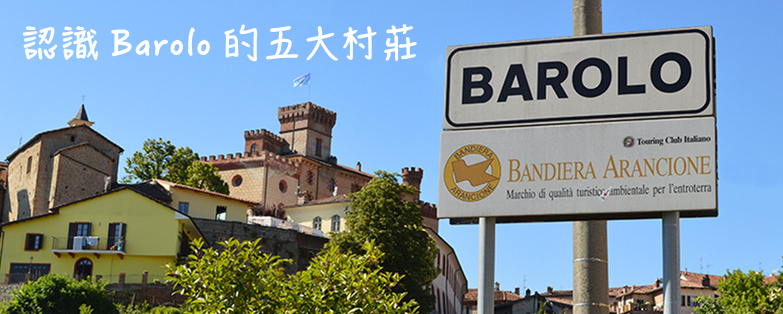
Barolo

This famous ancient village is said to be the birthplace of the entire Barolo region. Compared with Ramona Village, the wines produced have more structure, distinct layers, and are relatively classical. Famous vineyards include: Cannubi, Sarmassa.


La Mora

Among the 5 villages, the wines here are the closest to the style of Barolo, showing the most fruity aromas, the finest tannins, early maturity, elegant style, and the easiest to drink. It is the largest of the 11 villages and also the one with the highest output.

The village's best vineyards include: Rocche dell'Annunziata, Brunate, Cerequio.


Castiglione Faletto

The location of this village is northeast of Barolo Village, on top of a hill. The wines produced in this village are famous for being full-bodied, rich and full-bodied. The style is between the relatively soft school represented by Ramona and Barolo and the relatively strong school represented by Serralunga Alba Village and Monfodi Alba Village between. Famous vineyards include: Bricco Boschis and Bricco Rocche.


Serralunga d'Alba

The lime content is high here. Among the five major villages, the wine brewed here is the most powerful, hard to tame, with a solid skeleton, very suitable for aging, and the vineyard area ranks second. Famous vineyards include: Lazzarito and Ceretta.


Monforte d'Alba

This small village is located on the top of the hill, and the vineyards are located on the steep hillside. The area is the third. The wine here usually needs a long aging time to show its charm. The village of Lalunga Alba is even smaller. Famous vineyards include: Bussia, Ginestra

Ceste winery owner - Pierguido Ceste

introduces Ceste Barolo

- Ceste Barolo is aged in large oak barrels (40/50hl) for 40 months to extract the color and tannin flavor of the grapes for a long time. Because of the use of large oak barrels, the taste is closer to traditional Barolo, elegant Delicate and easy to drink!

- The wine is light garnet in color, with fresh and pleasant aromas of red plum, brussels sprouts, plums and roses in the forepart;

Mushroom, tar, dried flowers, slight leather and black pepper smell in the middle;

- After 2 hours of sobering, the tempting aromas of prunes, brownies, cocoa, light candy, nuts, cream and roses become rich and attractive!

- The wine body and tannin are medium at the beginning and gradually have the aftertaste of black tea. Silky tannins make the wine easy to drink, well balanced with rich and layered flavors and acidity balance! When the editor tried it, it was paired with Chinese food, and it was very delicious! This wine is easy to drink and can be paired with Chinese dishes, red meat, pasta, cheese, etc. 2016 was an extraordinary year for Piedmont! There is potential for storage.

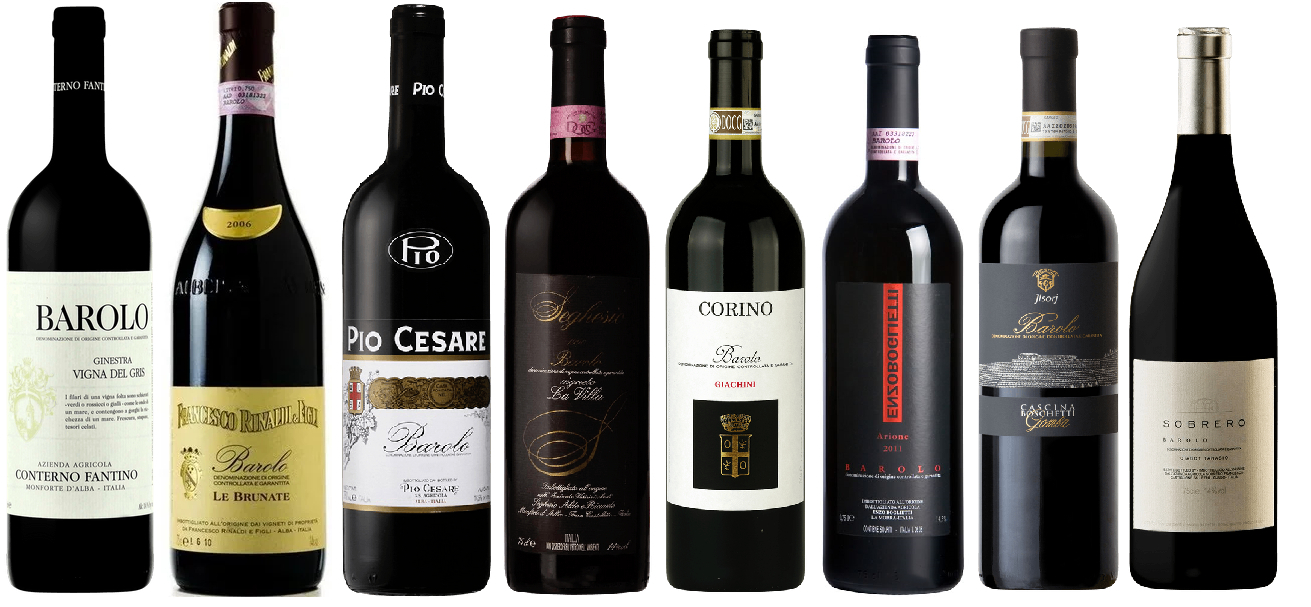
Select your Barolo