{{ 'fb_in_app_browser_popup.desc' | translate }} {{ 'fb_in_app_browser_popup.copy_link' | translate }}
{{ 'in_app_browser_popup.desc' | translate }}
{{word('consent_desc')}} {{word('read_more')}}
{{setting.description}}
{{ childProduct.title_translations | translateModel }}
{{ getChildVariationShorthand(childProduct.child_variation) }}
{{ getSelectedItemDetail(selectedChildProduct, item).childProductName }} x {{ selectedChildProduct.quantity || 1 }}
{{ getSelectedItemDetail(selectedChildProduct, item).childVariationName }}
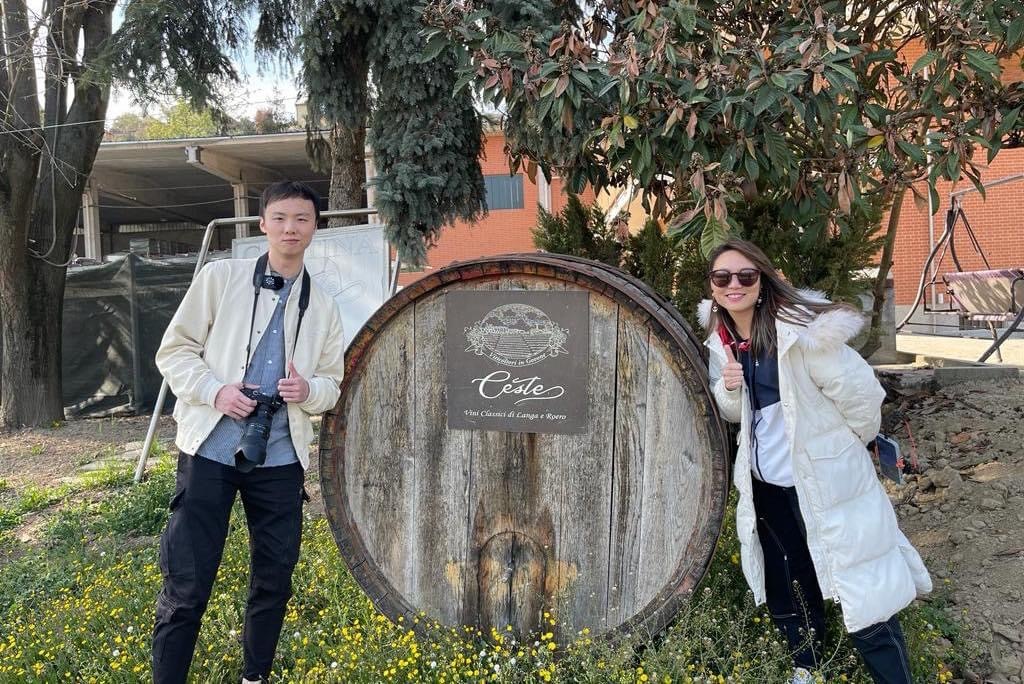
Ceste Winery
Ceste Winery has a long history. It was founded in the 1960s by Franco Ceste, the father of the current owner Pierguido Ceste. In the early 1990s, it began to establish the basis of its export business, expand grape varieties by introducing non-localized varieties, and experiment with grafting and later harvesting. , which continues to this day using production methods that are loyal to the oldest local traditions. To this day, Piedmont is considered a pioneer in the entire region.
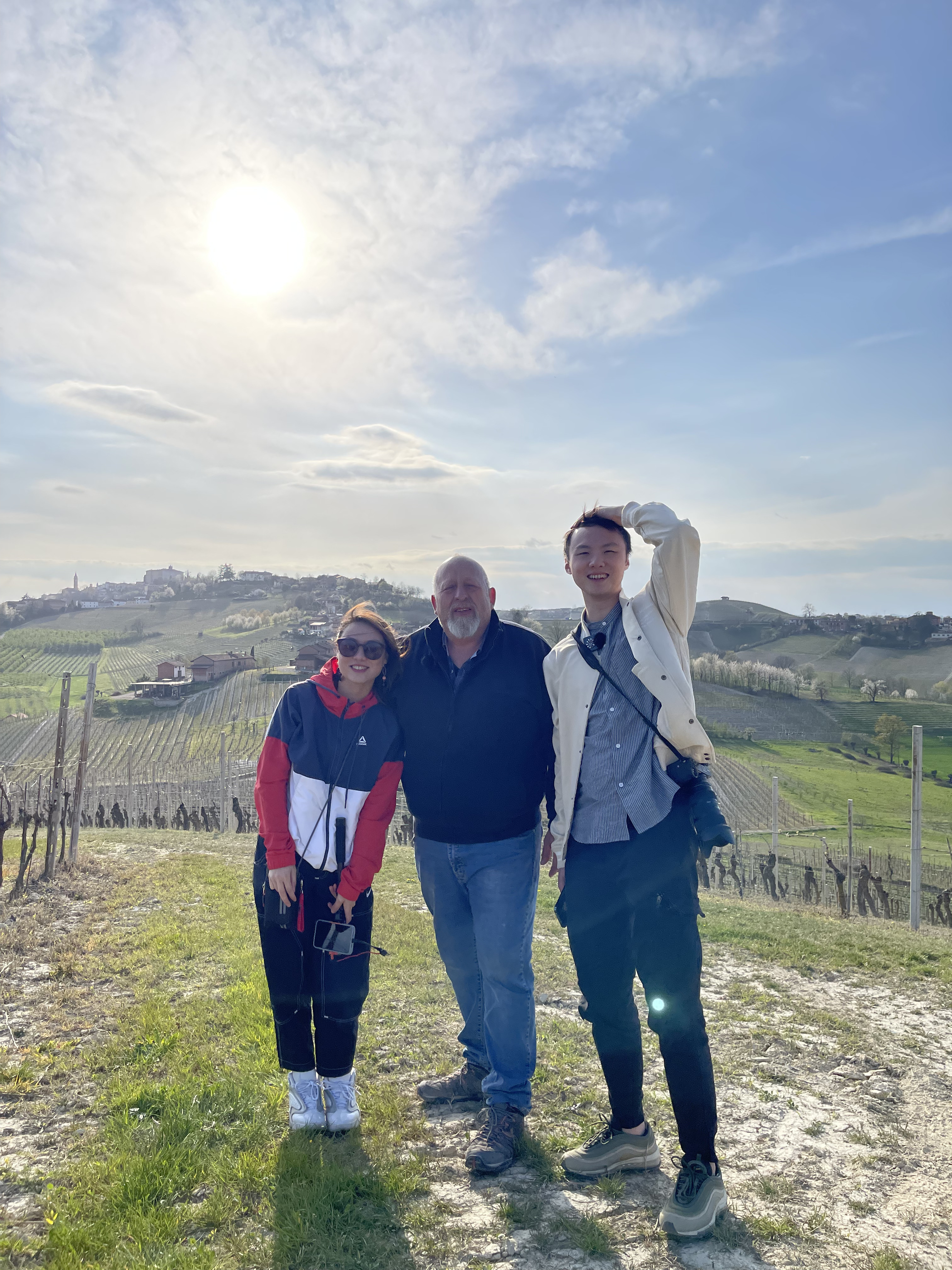
The Wine Time team went to Italy to visit Pierguido Ceste (owner and winemaker of Ceste Winery). We were deeply impressed by the in-depth wine knowledge he brought to us and his love for wine. This feeling cannot be expressed in words. His enthusiasm It can be experienced in wine. He was named "Winemaker of the Year" at the Cavalieri del Roero awards ceremony
Picture: Pierguido Ceste (owner and winemaker of Ceste Winery)
Ceste is a dynamic winery, always looking for new challenges. Ceste brought Piwi grape varieties (fungus-resistant grape varieties) such as Bronner and Johanniter to Piedmont, something that Ceste sees as a pioneer for the entire region. The Piwi Piemonte association was recently established and is crucial to achieving this goal.
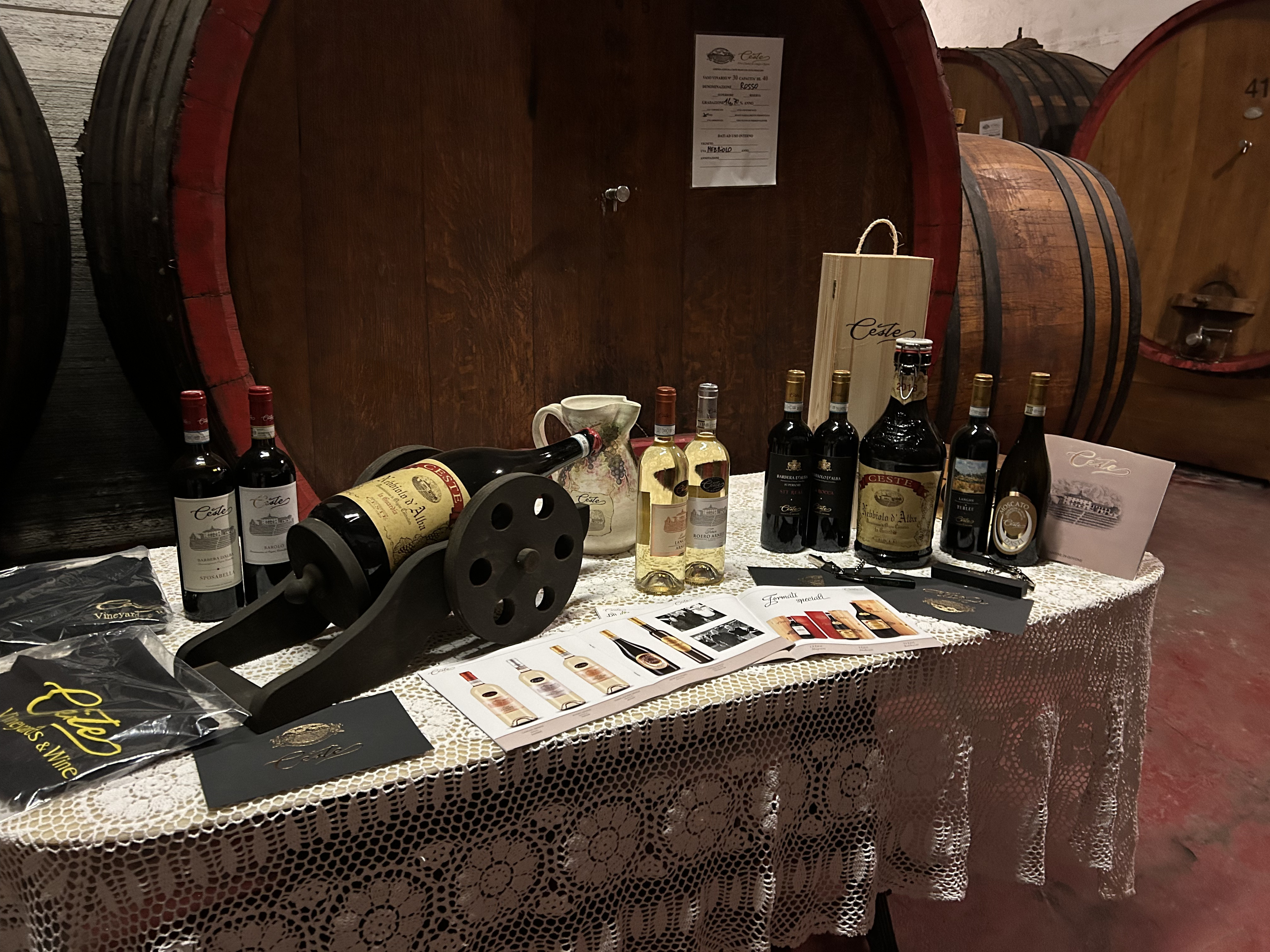
Owner and winemaker Pierguido Ceste has been promoting his wines throughout Piedmont and abroad. Pierguido has always been passionate about wine. At Ceste Winery, you can taste high-quality Barolo, Barbaresco, Roero, Nebbiola d’Alba, Bonarda, Dolcetto and Grignolino. Since 2001, the list also includes the "Tubleu" Langhe Rosso, the result of an ingenious combination of Merlot, Cabernet Sauvignon and Barbera grown and produced directly at the winery, There is also the most beloved Ceste Moscato d'Asti in the Piedmont area.
Wine Collection
Ceste Langhe Tubleu
Ceste Langhe Tubleu even received the commendation of "Exellent"! Since the regulations in the Langhe production area are not so strict, the grape varieties allowed to be used for winemaking are very wide. Since it is inspired by Super Tuscany, some international grape varieties have been introduced. Pierguido Ceste uses Merlot (Merlot) grown by himself. , Cabernet Sauvignon (Cabernet Sauvignon) and Barbera (Barbera), these three red grapes are used to brew Ceste Langhe Tubleu.
At the beginning of the opening of Langhe Tubleu, the first thing you smell is the rich red plum aroma brought by Merlot, followed by the aroma of cooked cloth, black chocolate, and mixed with slight aromas of tobacco, graphite and leather. After sobering up for 30 minutes, you will have rich flavors of red plums, ripe cherries, ripe cloth and black chocolate in your mouth, followed by a medium-long aftertaste with flavors of meaty and licorice; after sobering up for 45 minutes to 1 hour, there will be a mature taste. Black fruit, mushrooms and a slight hint of oak.
What is surprising is that this red wine is in great shape after it is completely sobered up. The acidity, tannin and aftertaste all go from medium to medium-high at the beginning, and the aftertaste lasts for nearly 10 seconds! The overall taste is very balanced! The taste is rich and powerful!
Piemonte - Langhe DOC Langhe region
The Langhe (Langhe) production area is located in Piemonte (Piedmont) in northern Italy, located on the outskirts of the Barolo (Barolo) and Barbaresco (Barbaresco) production areas. It obtained the title of legal production area DOC in 1994. , with a production area of 1,371 hectares and a wine production of approximately 1.36 million boxes. It mainly produces two red wines, Barolo and Barbaresco. The wines produced in this production area have the rich characteristics and structure of similar wines, as well as similar floral aromas and subtle red cherry flavors. Winemaking is roughly similar in craftsmanship, albeit on a smaller scale. Langhe's Nebbiolo may have shorter maceration times, there are no rules regarding aging and the wines tend to spend less time in botti grandi (large Slavonian oak barrels).
Ceste Moscato d'Asti
The wine has won Medal-Gilbert & Gaillard and Medal-Lyon gold medals, and its quality is absolutely guaranteed. As soon as you open the bottle, you will smell a rich fruity flavor. Compared with other Moscats, Ceste will have an extra refreshing aroma. This is the taste given by the acidity I mentioned just now. It is because of this acidity that the whole mouth is filled in the mouth. It can keep the freshness, and then sandwich the impact of the bubbles. This taste is the key soul of this wine, with obvious flavors of lychee, nectar, citrus, etc. If you are a fan of Moscato d'Asti, you will feel this This subtle difference, I believe not every winemaker can achieve.
How to distinguish a high-quality Moscato d'Asti?
This type of wine generally tastes like lychee and citrus fruits. The biggest difference is the importance of acidity. Acid will feel refreshing in the wine and can balance the sweetness. This acidity is very important in sweet wines. , which is required for a high-quality Moscato. Making a wine with balanced sweetness and acidity depends on the skill of the winemaker, so it is not possible to label all Moscato d'Asti as having the same taste. (Click here to know more)
Click to watch Ceste Youtube video
Ceste 精選酒款
Ceste
No product in this category