{{ 'fb_in_app_browser_popup.desc' | translate }} {{ 'fb_in_app_browser_popup.copy_link' | translate }}
{{ 'in_app_browser_popup.desc' | translate }}
{{word('consent_desc')}} {{word('read_more')}}
{{setting.description}}
{{ childProduct.title_translations | translateModel }}
{{ getChildVariationShorthand(childProduct.child_variation) }}
{{ getSelectedItemDetail(selectedChildProduct, item).childProductName }} x {{ selectedChildProduct.quantity || 1 }}
{{ getSelectedItemDetail(selectedChildProduct, item).childVariationName }}
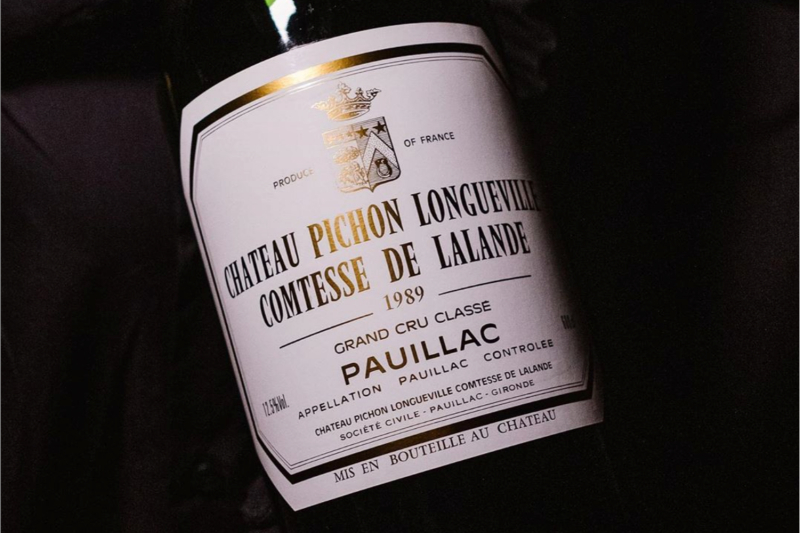
Second Growth Duchess Chateau Pichon-Longueville Comtesse de Lalande
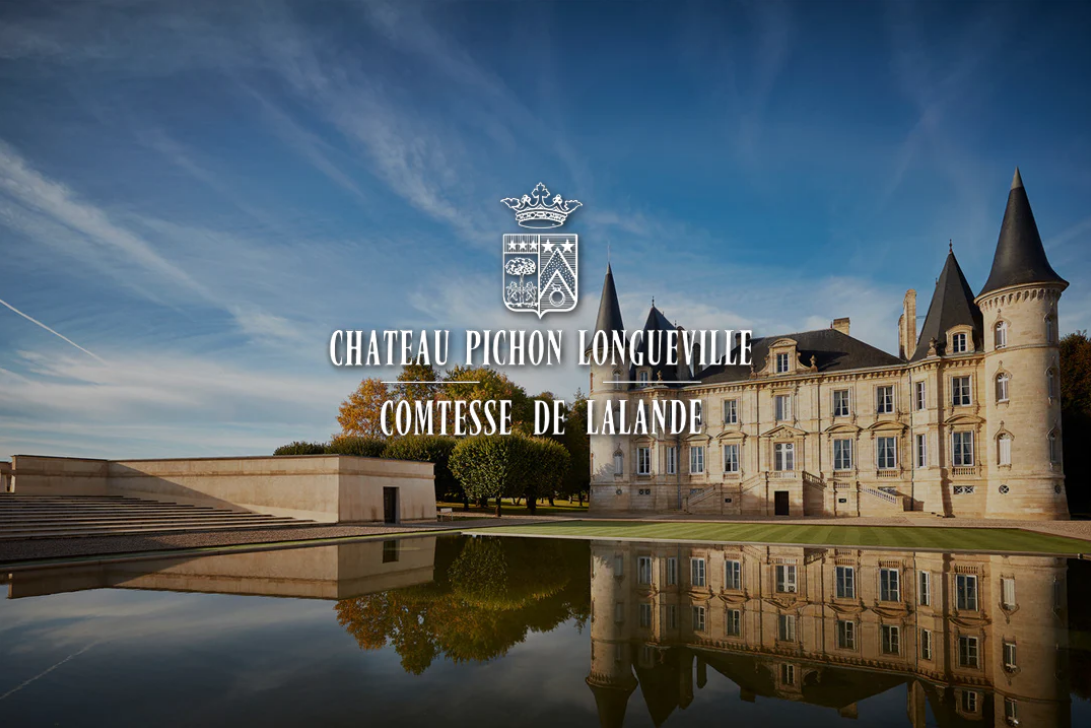
Chateau Pichon-Longueville Comtesse de Lalande is located in the Pauillac appellation of Bordeaux, France. It was rated as a second-class winery in the 1855 Medoc classification. The Pichon Chateau was split from the Pichon Chateau, and the now well-known Chateau Pichon-Longueville Baron is another split from the Pichon Chateau. The two are of the same origin. same origin
The winery originated at the end of the 17th century. Between 1686 and 1689, the wealthy businessman and Bordeaux capitalist Pierre de Mazure de Rauzan purchased the estate near Chateau Latour and established vineyards. After his daughter Therese married Jacques François de Pichon Longueville, the president of the Bordeaux parliament, Pierre used some plots in the Pauillac district for his daughter's dowry, which became the Pichon Longueville. The original vineyard of Château Château, thus starting the journey of one of the largest wineries in Bordeaux.
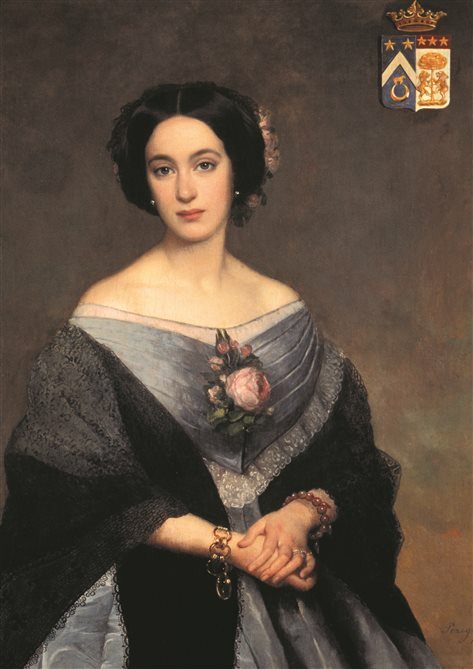
Originally, the Countess Pichon was part of a larger estate owned by Baron Joseph de Buichon Longueville, who died in 1850. After his death, his children Raoul and Virginie each inherited half of the estate. Half of Raoul became Château Pichon-Longueville Baron, while Virginie's became Château Pichon Longueville Comtesse de Lalande.
In 2007, the Louis Roederer Champagnes Louis Roederer became the steward of Château d'Or. Princess Louis also owns two wineries: Chateau de Pez and Chateau Bernadotte. The three wineries share a management team, and the winemaker and quality director of the winery is Stéphanie Danglade.
Chateau Duchesse is adjacent to Château Latour, the first growth winery at the southern end of the Pauillac appellation. All three estates share similar terroirs and climates, which partly helps explain the quality of the Countess' wines - sometimes referred to as "near first growths".
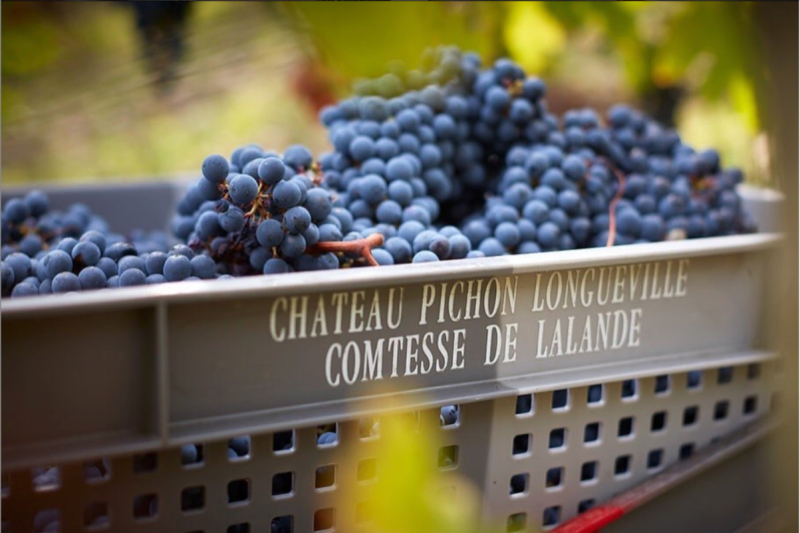
The geographical location of Latour makes the style of the Duchess strong. Although the name is Duchess, it is a typical Pauillac style and has very good aging potential. The Chateau de la Tour covers an area of 85 hectares with a density of 9,100 vines per hectare. . Located in Pauillac and Saint-Julien. 1 hectare of vines in the St. Julian's appellation, used to produce wine for the vineyard workers. The estate's vineyards are planted with five types of Bordeaux grapes, although historically Cabernet Sauvignon, Merlot and Petit Verdot are dominant (Cabernet Sauvignon makes up 60% of the blend). The wines from the Countess of the Médoc are some of the sexier wines from the Médoc because of the high percentage of Merlot in the wine.
The vineyards of the Chateau Pichon Comtesse de Lalande also include 12 hectares of vines in the St. Julian appellation, which is licensed under the name of Pauillac. The grapes can be used in Grand Vin, second wine, or bottled as St Julian's. The vines there were used to produce wine, which was given to vineyard workers.
In addition to the real wine, there is a second wine, the Reserve de la Comtesse, which made its permanent debut in 1973. Although the estate produced second wines from time to time as early as 1874, Château Pisan-Lalang was one of the first estates in Bordeaux to produce a true second wine. Starting with the 2019 vintage, the estate has renamed its second wine Pichon Comtesse Reserve.
These characteristics are felt in every vintage the winery produces. The nose is dominated by floral aromas, with notes of blackcurrants, violets, liquorice and cinnamon. On the palate, the tannins are ripe and soft, showing a strong and firm structure, very soft and perfectly balanced, with a persistent finish.
Pichon Lalande
No product in this category