Region: France /Bordeaux / Medoc
Grapes: 50%Merlot, 50%Cabernet Sauvignon
Aging: 12-18 months French oak barrels (33% new barrels)
ABV: 13%
Volume: 750ml
Tasting note:
Practical Test Report:
Pour into a glass to see the wine color showing a deep dark red with a little garnet red reflection around the edges. You can tell by the look that there is a certain amount, definitely not those watery ones
The first thing that comes out of the bottle is ripe black cherry and blackberry fruit 🫐
After a while, the vanilla, roasted coffee beans, and spice flavors brought out after 12 to 14 months of oak barrel aging will slowly emerge🫘
Beautiful vintage coupled with a 5-50 grape blend that is very smooth on the palate, medium to thick on the palate, fruity and juicy Merlot brings out the roundness, while Cabernet Sauvignon provides a firm skeleton
The most rare thing is that after more than 10 years of aging D tannins (tart taste) has become very fine and soft 🪵, the fruit is rich and easy to enter, the acidity is sharp, the taste will not be hard or pulp in the mouth
The finish is long, with black pepper and light oak notes lingering in the mouth for a long time at the end

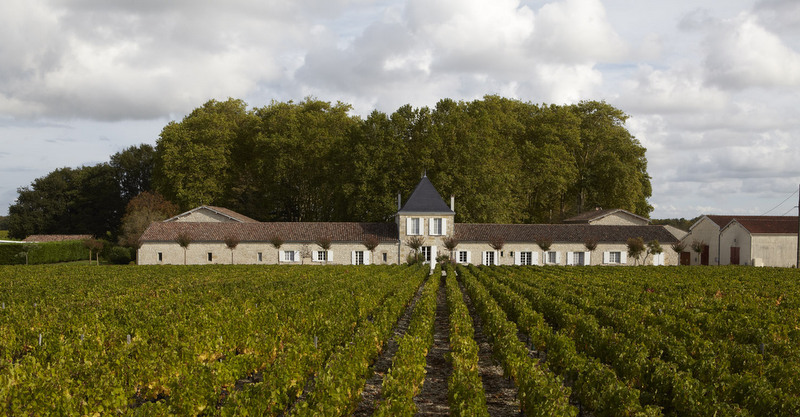
Chateau Amour, meaning "love" in French, is often used by lovers to express their affection or to share happiness with family and friends during life's most important moments. Located in the Medoc region of Bordeaux, France, Chateau Amour is a subsidiary of Chateau de Panigon. Chateau de Panigon is a member of the Cru Bourgeois classification issued by the Alliance des Crus Bourgeois in 2012. Chateau de Panigon's origins can be traced back to before the French Revolution, and it still maintains a family-run management model. In 2006, the former owner's daughter, Corinne Dadda, and son-in-law, Georges Dadda, took over the winery, determined to relentlessly strive to produce wines that perfectly reflect the terroir of the Medoc. The new owner's measures are mainly reflected in the continuous innovation of vineyard planting methods. This modern winemaking philosophy, which is based on quality, allows the wine to better express the characteristics of this excellent terroir.