【酒莊 Winery】

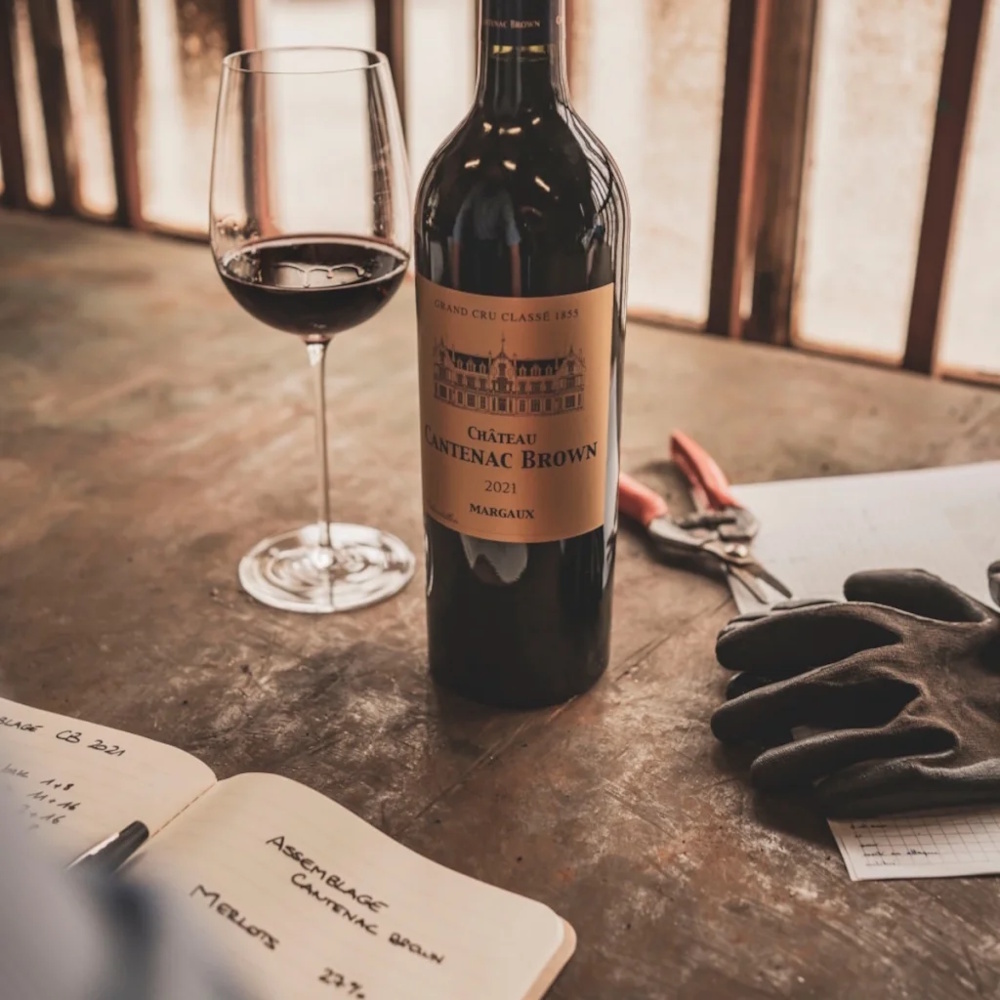
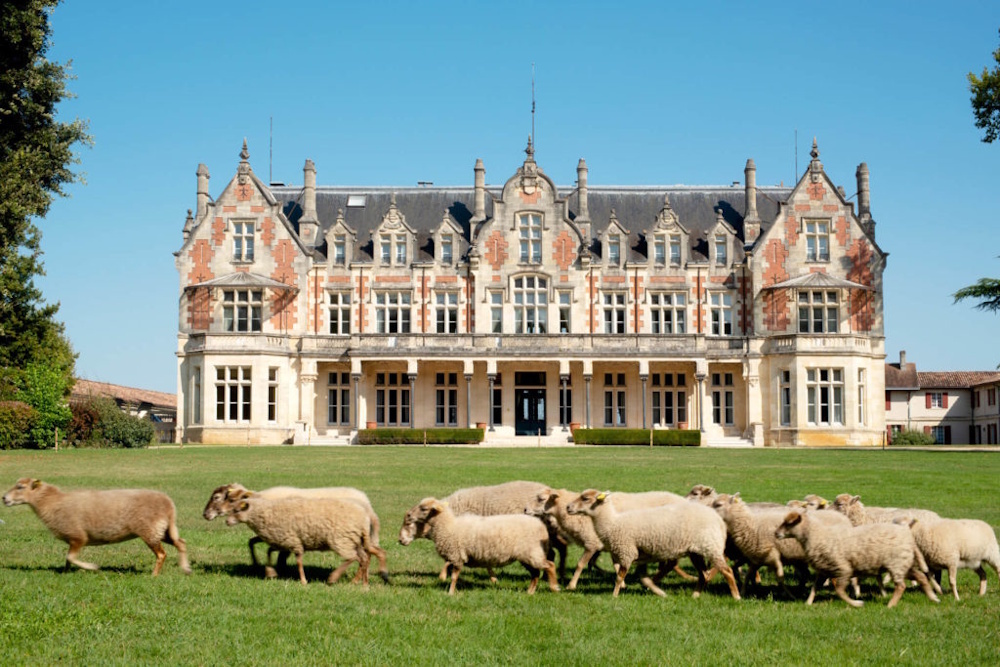
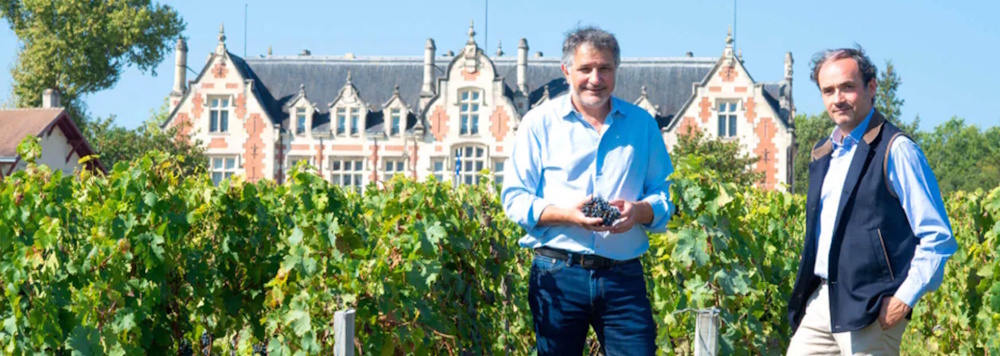
Chateau Cantenac-Brown, located in the village of Margaux on the left bank of Bordeaux, adjacent to Chateau Margaux, was classified as a Third Growth in the 1855 Médoc classification. In the early 19th century, Scottish painter John-Lewis Brown, a wine enthusiast and then owner, added his name to the estate and built a Tudor-style mansion, reflecting the elegant and refined style of its wines. The estate was subsequently managed by M. Gromard, and later by Louis Armand Lalande, owner of Chateau Leoville Poyferre. In 2006, businessman Simon Halabi acquired this distinctly English-style castle from the Axa-Millésimes Group, owners of Pichon Baron, bringing new momentum and a commitment to elevating the estate to even greater heights. In 2019, the winery changed hands to the healthcare giant Urgo Group. Owner Tristan Le Lous, originally from an agricultural engineering background, has a deep passion for viticulture and winemaking, and is full of confidence in the Cantenac-Brown terroir and its wine quality: "Cantenac Brown is one of the jewels of the Médoc; I have a lot of ambition for this grand cru estate." He also maintained the original winemaking team led by José Sanfins.
【產區 Region】
Located on the left bank of the Gironde River, bordered to the west by the Landes Forest, the Margaux appellation effectively blocks sea winds from the Atlantic Ocean, reducing their impact on the vines. Currently, the appellation covers approximately 1,500 hectares, making it the largest of the six major Médoc appellations. Unlike appellations such as Saint-Julien, Saint-Estèphe, and Pauillac, many Margaux wineries do not have their vineyards always situated in a single, contiguous plot, but rather scattered and interspersed. Therefore, for Margaux wineries, in addition to conveying the region's superior terroir, they must also focus on winemaking techniques and grape variety selection to create their own unique style of wine.
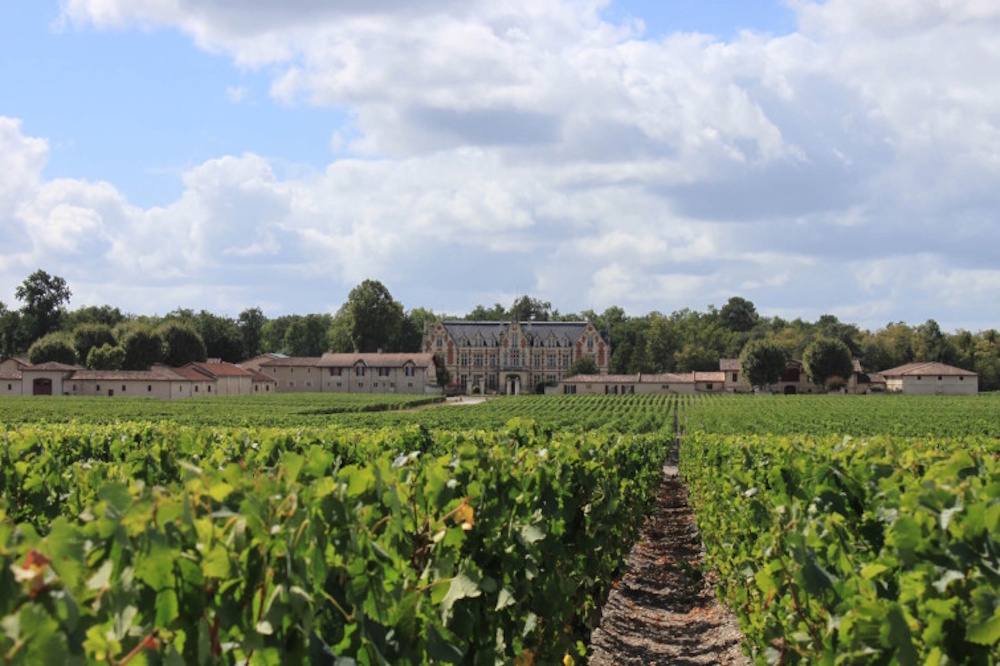
The soil in the Margaux appellation is primarily composed of gravel brought by the Garonne River, interspersed with limestone, pebbles, and rocks, with a low clay content. It is one of the more infertile soils in the Médoc region, yet this soil is highly conducive to grapevine growth. The abundance of gravel ensures excellent drainage and reflects heat, promoting grape ripening. Due to the poor soil, the vines must root deeply to draw nutrients and water, resulting in grapes with rich, intense flavors that fully reflect the characteristics imparted by the soil.
【有關釀造 Winemaking】
The vineyards are situated on a pristine gravelly slope in the village of Margaux, with quartz-rich gravelly soil known as the "Diamonds of Margaux." The soil, filled with gravel and limestone of varying shapes and sizes, provides excellent drainage. The estate's 49 hectares of vineyards are cultivated using sustainable methods, with vines averaging 35 years old. Yields are strictly controlled, and grapes are harvested by hand. Grapes from different plots are fermented separately in temperature-controlled stainless steel tanks according to variety and age to ensure the correct blending formula for the wine. Alcoholic fermentation lasts approximately 10 days, followed by malolactic fermentation in oak barrels. The wine is then transferred to French oak barrels for 12 to 15 months, using 50% to 70% new oak. Racking is performed every three months, followed by egg white filtration before bottling at the estate.