Appellation: France/ Bordeaux / Pessac Leognan/ Grand Cru Classe de Graves
Grape varieties: 68% Sauvignon Blanc and 32% Sémillon
Alcohol: 13%
Volume: 750ml
Average age of the vineyard: 30 years
Suitable drinking temperature: 12 – 14°
Aging suggestion: 4 – 8 years
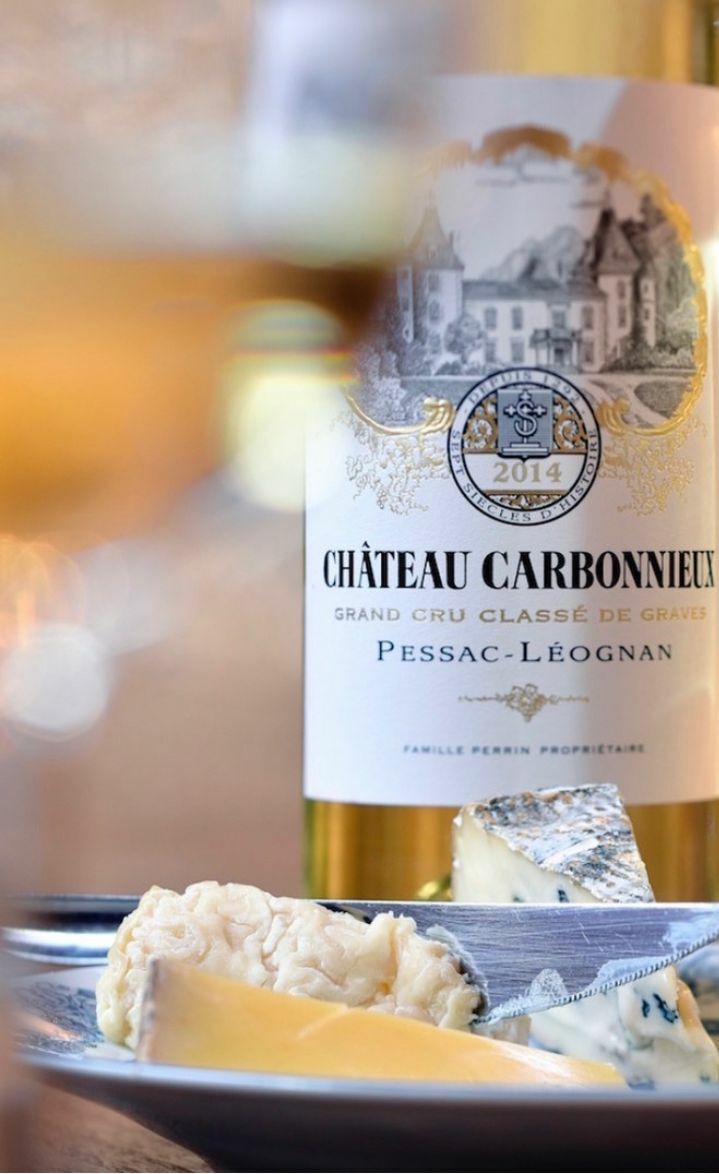
Food pairing : any raw or cooked fish, crustaceans, shellfish, foie gras, any poultry or white meat, sweet breads, spiced dishes (curry, tajine, etc.), cheeses, fruit desserts, sorbets, etc.
Characteristics: The slow and delicate pressing results in a very clear, aromatic and delicate first juice. There is no oxidation throughout the pressing process, so the natural juice is preserved and sulfur usage is limited. After 3-4 days of settling in vats at low temperature, the batches selected according to the origin of the plots continue to ferment in vats.
【Wine Enthusiast 96】
The grapefruit and honey aromas of this wine are echoed in its crisp and rounded textures. It is ripe with apple and spice flavors, the wood aging subtly in the background.
【James Suckling 94】
Sliced lemon, crushed stone, ginger and oyster shell aromas follow through to a medium body with crisp acidity and a crunchy finish. A very typical top white from Pessac.
Tasting Notes: The clay-limestone soils of the Garonne gravel in the Pessac-Léognan appellation produce without a doubt the best dry white wines in the Bordeaux region. Young Carbonnieux white wines captivate with their freshness, purity and intensity of fruity and floral aromas. As they age, they develop aromas of dried fruit and candied fruit, offering a variety of gourmet combinations. The roundness of Semillon goes well with the vibrancy of Sauvignon Blanc.
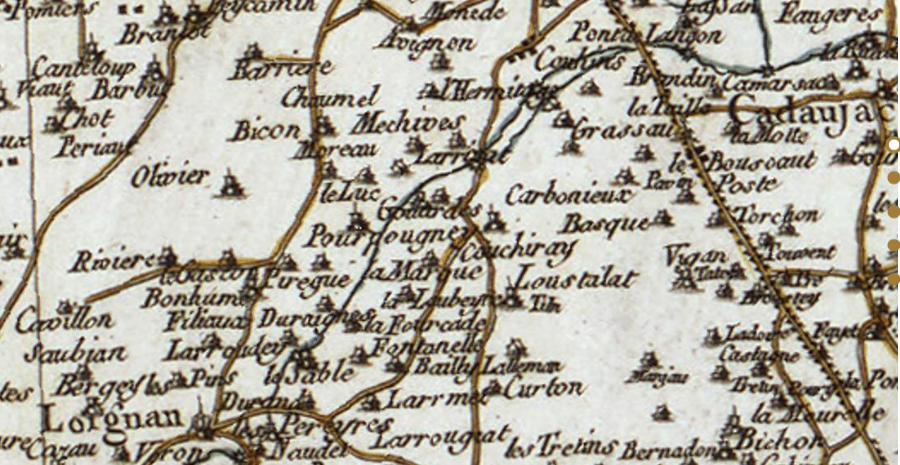
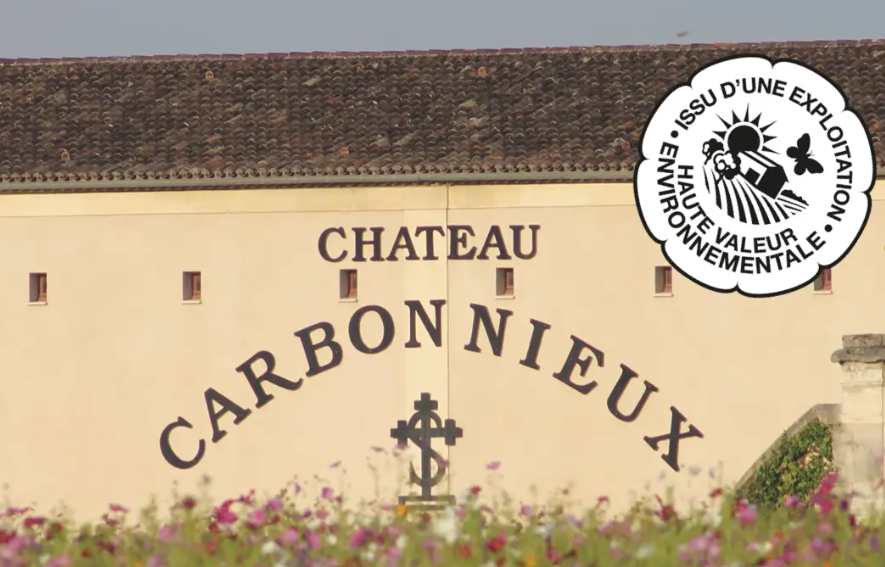
Carbonnieux takes its name from the "Carbonius" or Carbonnieu family, who cleared land in Leonian in the early 13th century. The Bordeaux archives mention the name of a certain Ramon Carbonnieu, who owned a vineyard in Leognan in 1234. This medieval manor originates from 1292.

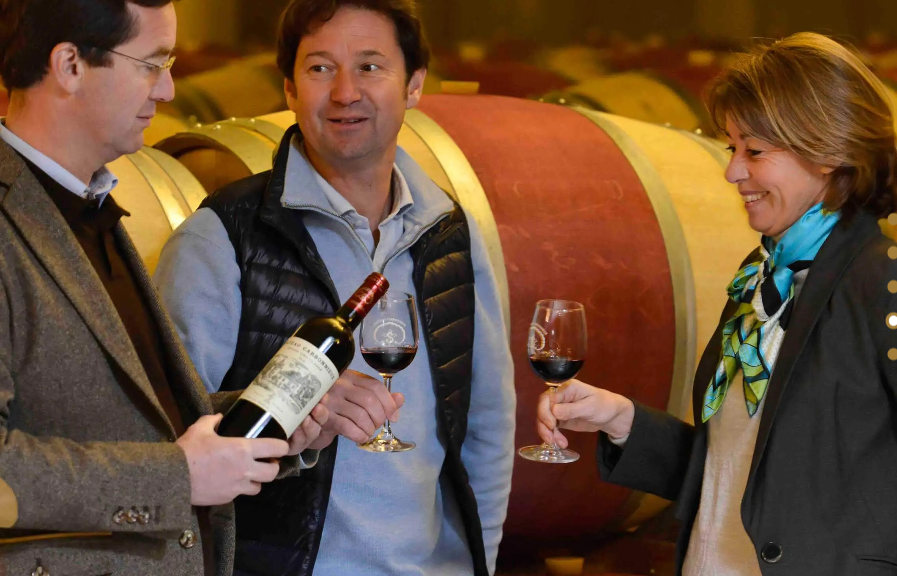
After several twists and turns, Marc Perrin bought the winery in the 20th century and immediately set about restoring the winery and its vineyards. With the help of his son, he embarked on a massive replanting campaign, initially expanding the vineyard to 45 hectares in 1970, then 70 hectares in 1980, and today it stands at nearly 95 hectares. After his father's death, Anthony took over the winery, building a new winery in 1990 and modernizing the cellar to accommodate new winemaking methods. He continued to restore the chateau and the vineyards, and he did not hesitate to invest in Carbonnieux and the world-wide reputation of Bordeaux wines. He was the president of the Bordeaux Federation,
Over the years he has passed on this family tradition and expertise to his children Eric, Christine and Philibert Perrin.