【The distillery's most classic and original whisky - a must-try for beginners】
【The distillery is located at 1,073 feet above sea level, making it the highest operating distillery in Scotland】
【The peat in the vicinity of the distillery is rich in heather components, creating a unique style】
【A Highland whisky with a smooth style】
【Features a distinctive honey flavour, setting it apart from typical Highland styles】
【One of the few distilleries still using traditional worm tub condensation, imparting a distinctive flavour to the spirit】
ZTSC095_BOX - Dalwhinnie 15 Years Old Single Malt Scotch Whisky 700ml
Special price: $478/bottle
Region/Grade: Highland, Scotland
Alcohol content: 43%
Volume: 700ml

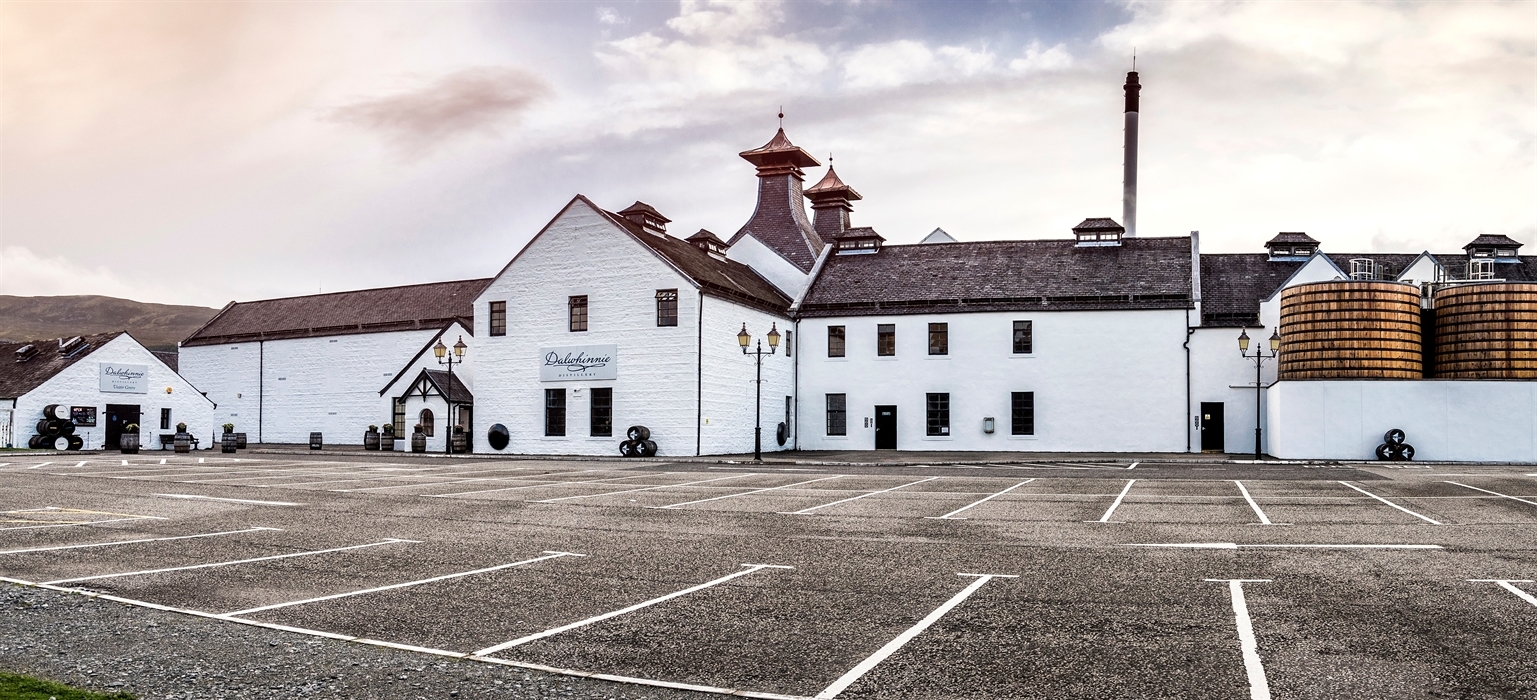
Dalwhinnie Distillery is located at 1,073 feet above sea level, making it the highest operating distillery in Scotland. It embodies the essence of highland single malt Scotch whisky. The distillery uses traditional worm tub condensation to create more copper dialogue during the distillation process, further enhancing the delicate taste and producing a unique richness and complexity.
The Dalwhinnie distillery is located high in the Grampian Mountains, close to the geographical centre of Scotland. For centuries, Dalwhinnie has been a gathering point for livestock drives, mainly involving cattle drovers from the north or merchants travelling from Kintail, Skye, the Hebrides and other places to the major markets of Crieff and Falkirk in the south.
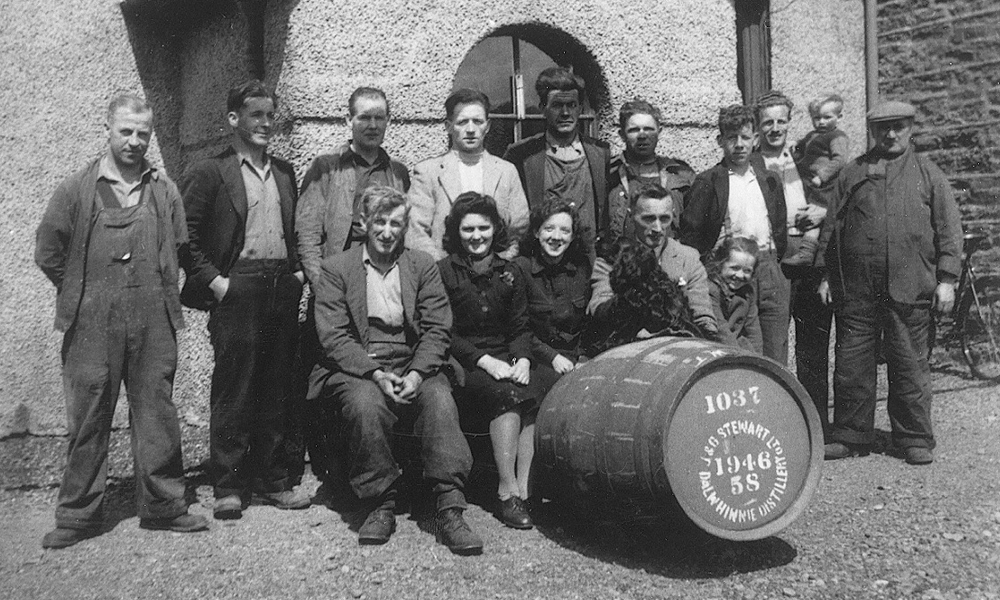
At that time, Dalwhinnie already had an illegal whisky distillery, supplying alcohol to travellers who needed to stop and rest due to the long and arduous journey. Despite the harsh climate and remote location, factors such as the abundant, pure water sources from Lochan and Dalwhinnie, the plentiful peat, and the well-developed road and rail networks led to the construction of the Dalwhinnie distillery in 1898.
The three founders from the Highlands also complemented each other in their expertise in distillation. John Grant was a lawyer and deputy assistant to the sheriff of Inverness County. Alex Mackenzie, the distillery's designer, was an architect and city surveyor. George Sellar was a grocer and cloth merchant. They chose their location well, near the cold, pure water sources of Lochan and Dourwen, with a stream called Allt an t'Sluic flowing directly through the distillery from underground. One side of the distillery is adjacent to the Great North Road, while the other is connected to the main railway line leading south to Inverness County. However, these founders established the company at the tail end of a boom in distillery construction, originally naming it ‘Strathspey Distillery.’ Just a few months after production began, a severe economic depression devastated the industry, leading to the company's liquidation.
The distillery is one of the few remaining that still uses the traditional worm tub condensation method, allowing the spirit to interact more with the copper during distillation, enhancing its delicate texture and producing a unique richness and complexity. Upon first sip, there is a distinctive sulphurous note, followed by a honey-like character, and the 15-year-old is the most classic expression of this style.
Whisky writer Ian Buxton included Dalwhinnie's core 15-year-old single malt whisky in his book *101 Whiskies to Try Before You Die*, describing its flavour as ‘often appealing to those who don't typically enjoy whisky, with a taste that gradually becomes more complex, revealing hidden depths of vanilla and subtle orange hints.’
Therefore, it is safe to conclude that whether you are a whisky connoisseur or someone who typically dislikes whisky, this whisky is well worth a try.