【Junmai Daiginjo】
【Yamada Nishiki】
【Major Japanese liquor manufacturer】
【AI brewing technology】
【Japanese State Banquet Wine】
【Wonners of All Rice Wine Tasting Competition 2010 and 2011】
【2013 Gold Award at the All Rice Wine Tasting Competition】
【Five-star evaluation by the Japanese Sake Service Research Association】
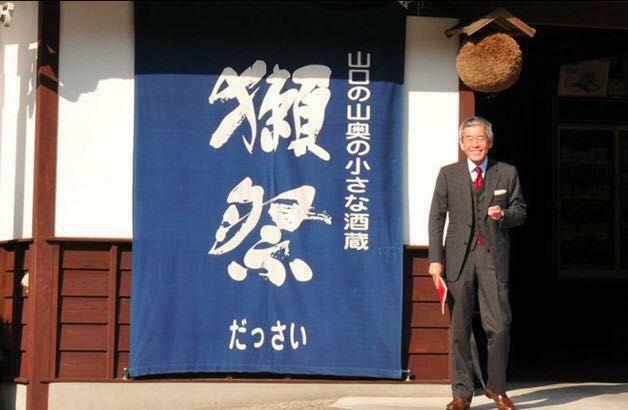
【Wine Papa visited to experience the model of Japanese sake】
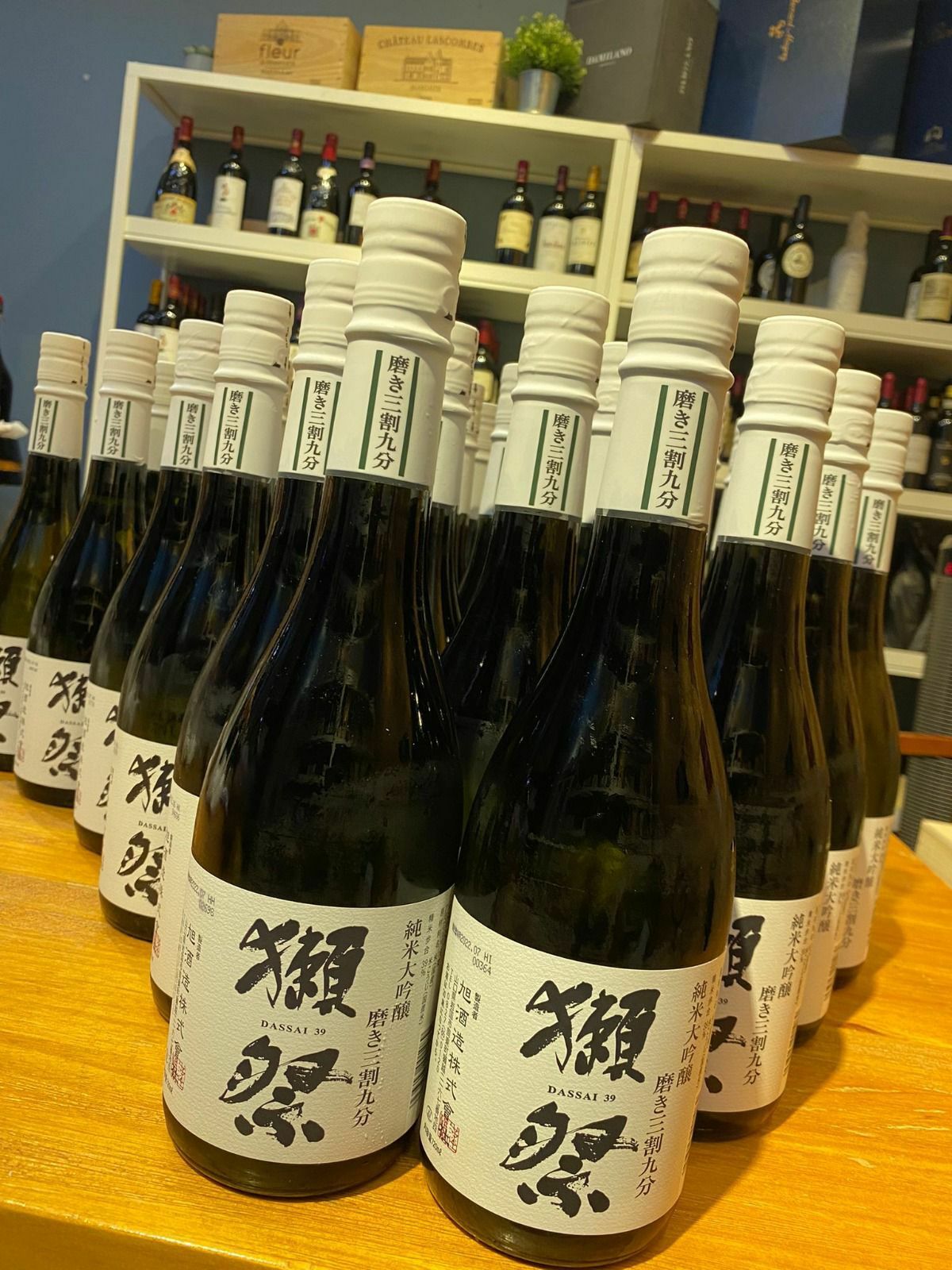
The name of Dasai’s wine expresses the steps of polishing rice with numbers. “Three cuts and nine points” means that only 39% of the most essential part of each grain of rice is used for brewing.
ZJ059_BOX - Dassai Junmai Daiginjo(Gift box)
Orginal price: $248/bottle
6 bottles discounted price: $238/bottle
Rice polishing rate: 39%
Capacity: 720ML
Special name sake: Junmai Daiginjo (純米大吟釀)
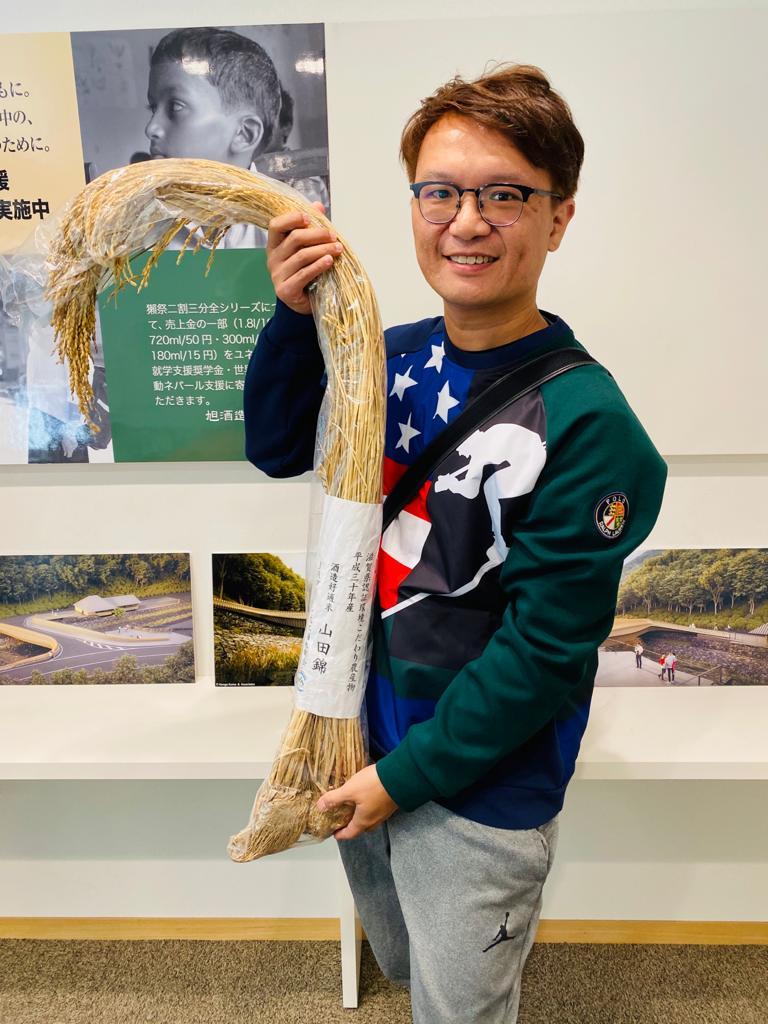
Rice Type: Yamada Nishiki (山田錦)
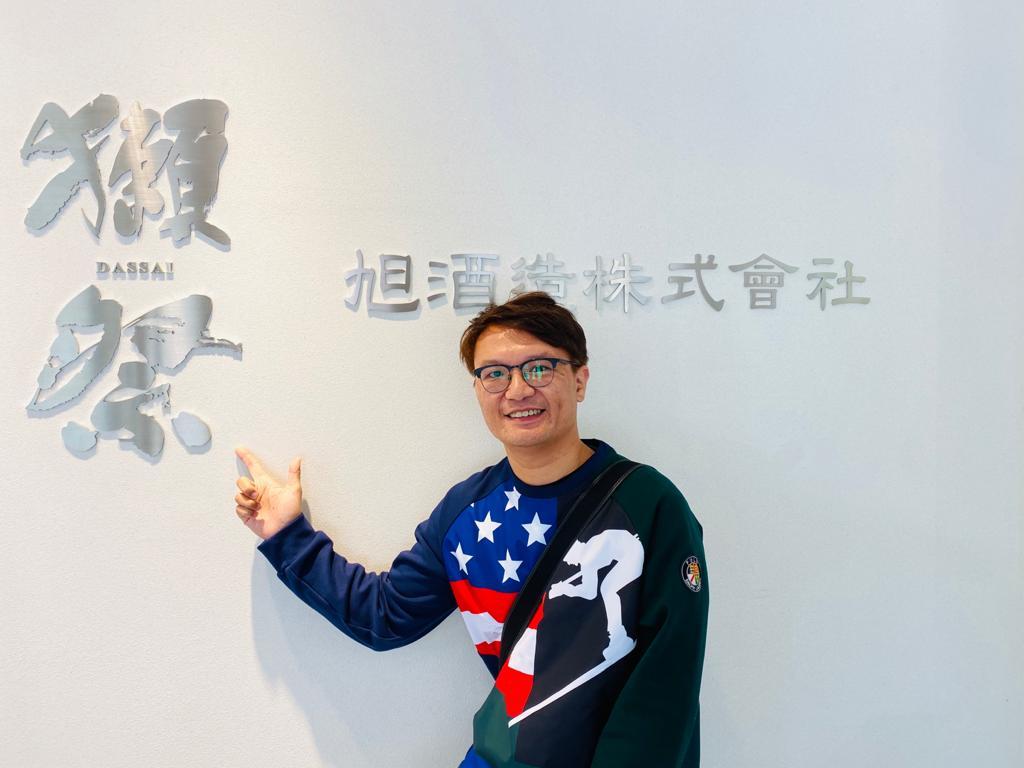
Manufacturer: Asahi Shuzo Co., Ltd. (旭酒造株式會社)
Location: Yamaguchi ken (山口縣) , Japan
Alcohol content: 16%
Brewing method: Hiire (火入れ) - heat Brewed sake
Suitable drinking temperature: cold drink
Production date: 2- 2026
Dassai gets its name from Dasagoe, where the sake is produced, and there are many otters in the area. Otters have a habit of rowing the fish they catch on the river bank, as if offering it to the gods. This behavior is called otter sacrifice. In addition, Shiki Masaoka, a haiku poet whom Hiroshi Sakurai likes, is nicknamed the owner of Dassaiya. In 1990, Dassai was born, pioneering the innovation of Japanese sake.

The fresh and mellow floral and fruity fragrance shows Dasai's generous and unique charm. Junmai Daiginjo sake with an elegant quality and slightly sweet taste. Dasai’s name expresses the steps of polishing rice with numbers. “Three cuts and nine points” means that only 39% of the most essential part of each grain of rice is used for brewing. It is dripping with glycol and fruity. Popular in Sake Bars in trendy cities like Tokyo and New York! In 2020, Sotheby's, an international auction company, will auction Japanese sake for the first time. Six bottles of "Dassai" high-end products, the highest price of which was more than 840,000 yen for a bottle. Dassai was once chosen by Shinzo Abe as the wine for the state banquet, and it is famous all over the world.
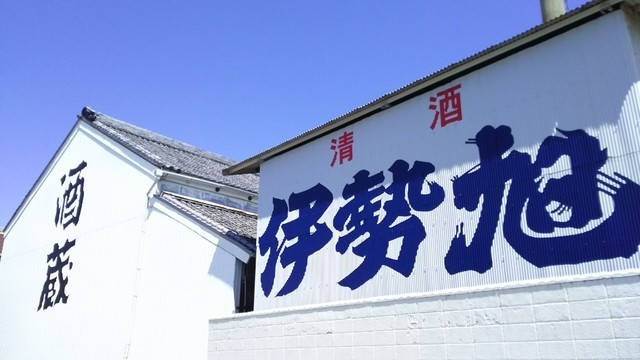
Dasai is a brand launched by Asahi Shuzo Co., Ltd. located in Yamaguchi Prefecture. Before that, Asahi Shuzo had a history of 200 years in the brewing of ordinary sake. However, facing the sluggish market and sluggish sales, Hiroshi Sakurai, the third-generation president, took over and turned to develop Junmai Daiginjo, the most complicated sake among Japanese sake. After six years of trial and error, Dassai brand was finally launched in 1990. Then in 1992, Dassai Junmai Daiginjo Nigarisan was launched, which shook the industry (only 23% of its essence is used for brewing each grain of sake rice). In 2016, Dassai’s annual turnover exceeded 10 billion yen, and it has entered Japan. Among the top eight wine manufacturers.
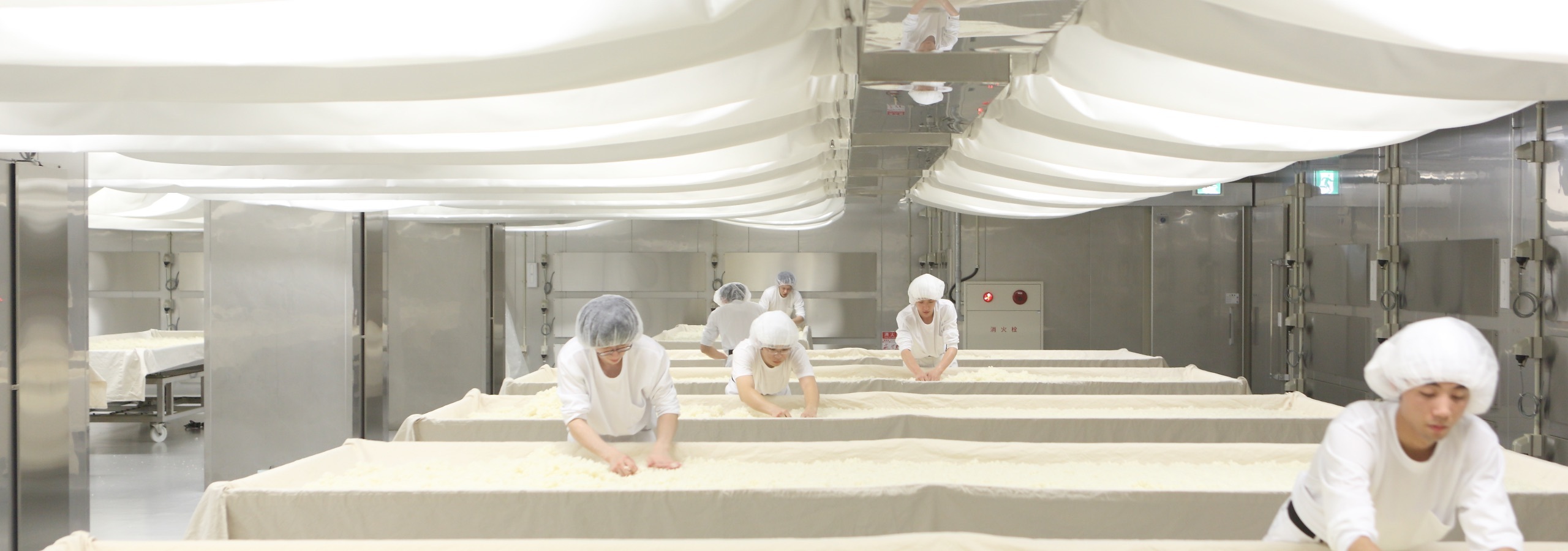
The biggest difference between Asahi Brewery and other sake breweries that created the super brand of Dassai is that there is no Toshi (the leading brewer and the highest helm of the sake flavor), but completely digitized all experience. Whether it is the water absorption of the rice, the daily fermentation status, the temperature and humidity of the sake storage, etc., through data management, the state of brewing sake can be achieved throughout the year and the productivity can be increased by more than 2 times.
A professor who studies Japanese sake said that compared to the agricultural brewing model that depends on the weather and soil to determine the quality of wine, Japanese sake brewing is an industrial brewing method that is determined by Toshi’s skills, but Dassai’s brewing method is It is very scientific and can be called the king of industrial brewing. When the late well-known French chef visited Dassai Sake Brewery, he even lamented that the brewing method of Dassai is as delicate as a watchmaker.
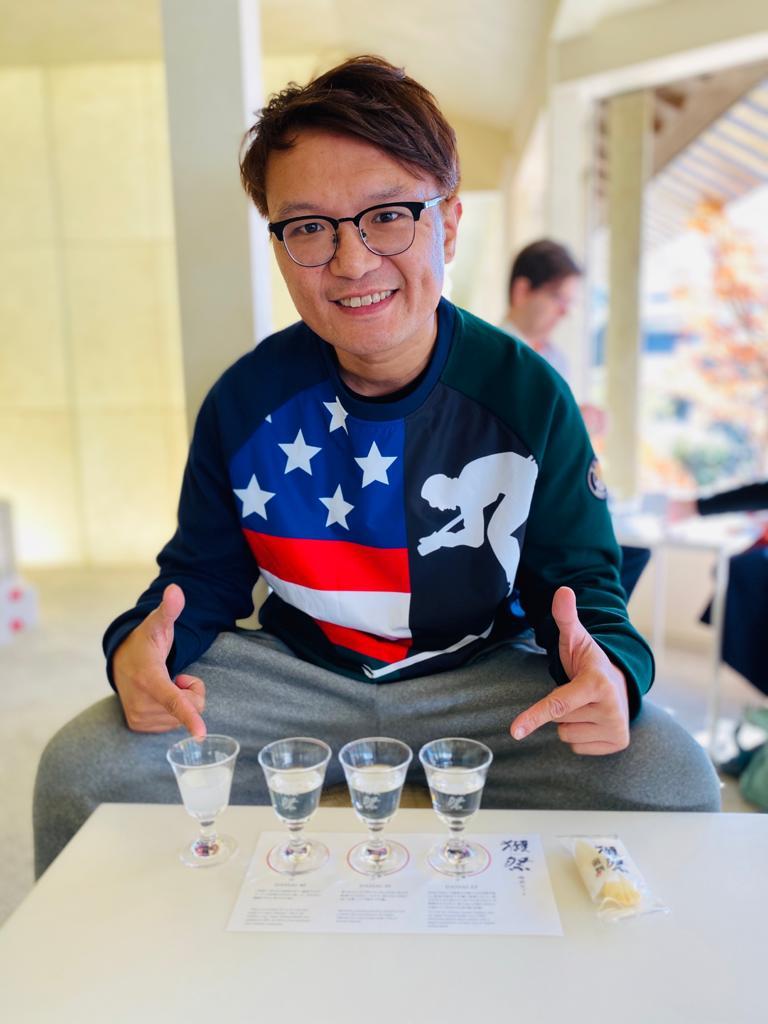
Alex personally went to Asahi Sake Winery to experience the best example of Japanese sake