[Chambolle Musigny, hailed as the most elegant appellation in Burgundy]
[Certified Organic Farming in 2018]
[Vivino 4.2]
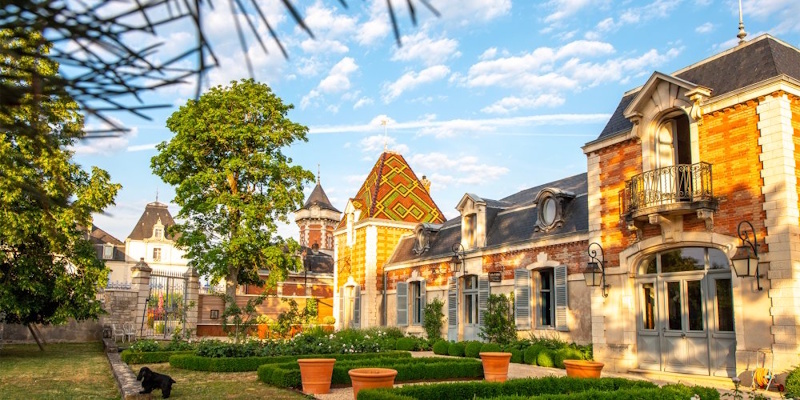
【酒莊 Winery】
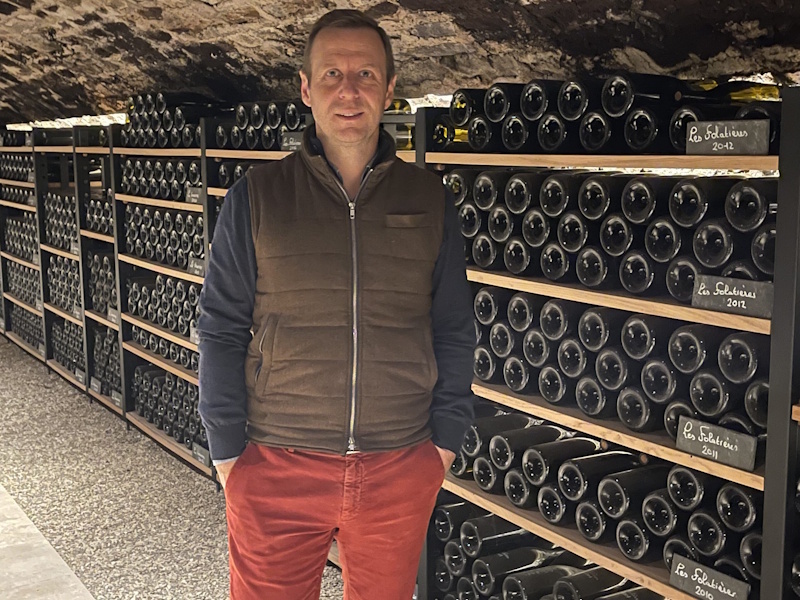
Founded in 1974 by Charles-Henri Genot and his wife Nee Boulanger in the village of Meursault, the winery gradually expanded its vineyards to encompass 30 appellations (22 hectares), including Clos de Vougeot, Corton Charlemagne, Les Boucheres in Meursault, and Folatieres in Puligny Montrachet. The arrival of Aude, Guillaume, and winemaker Nicolas Ludwig in 2008 brought about significant changes. The winery invests heavily in vineyard management, employing organic farming (certified in 2018) and gradually moving towards biofarming. It is also building a new cellar, developing an online presence, and welcoming visitors. As a result, in addition to being loved by tourists, the winery's quality has also been recognized and praised by wine critics such as Michel Betane, Jancis Robinson, and Robert Parker.
【產區 Region】
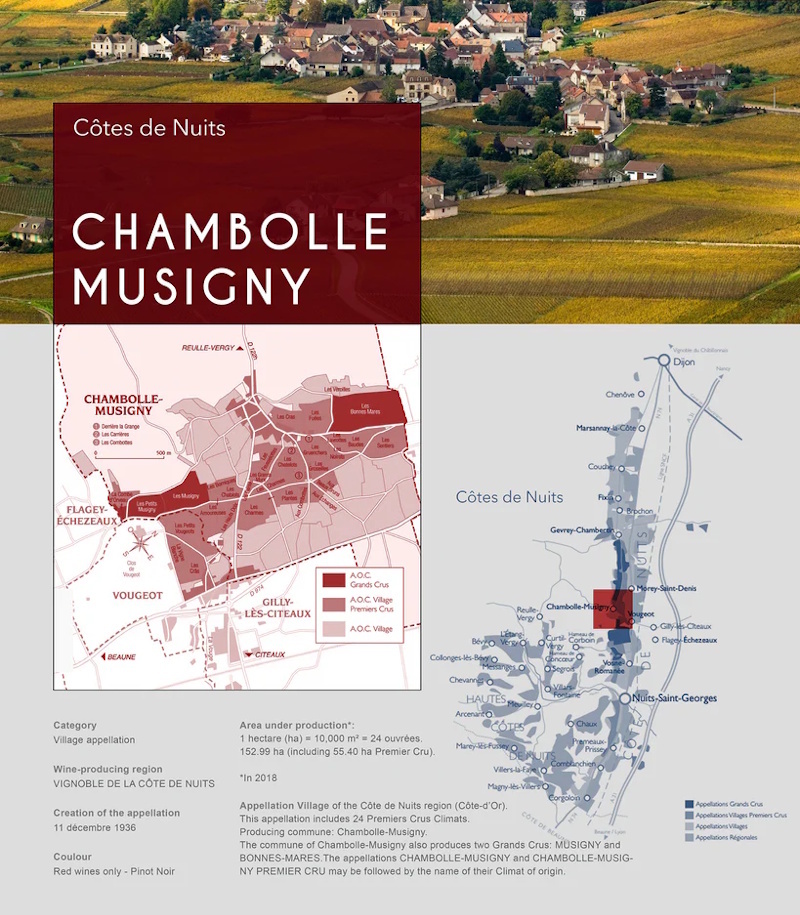
Chambolle-Musigny is located in the Cote de Nuits region of Burgundy. Along with Gevery-Chambertin and Vosne-Romanee, it is considered one of Burgundy's three most famous wine regions. Originally the village of Chambolle, it underwent a village naming movement starting in the 18th century, incorporating the names of the most renowned vineyards into the village name to emphasize wine quality. Chambolle was no exception. In 1882, Chambolle added the name of its most famous vineyard, Musigny Grand Cru, to its village name, changing it to "Chabolle-Musigny".
【有關釀造 Winemaking】

In addition to organic farming, the 22-hectare vineyard also employs biodynamic farming in some areas. The winery team's philosophy is to focus most of their efforts on the vineyards and minimize their intervention in winemaking. The grapes are hand-harvested and sorted in the winery workshop. The winemaking process differs between red and white wines. The red wine is 100% destemmed, fermented with natural yeasts (including skin-washing), and then aged in oak barrels for about 12 months (the ratio of new barrels is adjusted depending on the plot). It is then placed in large vats for 6 months to set still before bottling. The white wine, on the other hand, is gently pressed, fermented with natural yeasts, aged in oak barrels for 12 months, then transferred to large vats to set still before bottling. To add to that, the winery carefully selects oak barrels to avoid adding too much woody aroma. The wine has a rich, layered aroma, while also possessing roundness and tension, making it delicate and captivating.