Region : Scotland
Alcohol : 40%
Volume : 700ml
Website : https://www.lochlomondwhiskies.com/
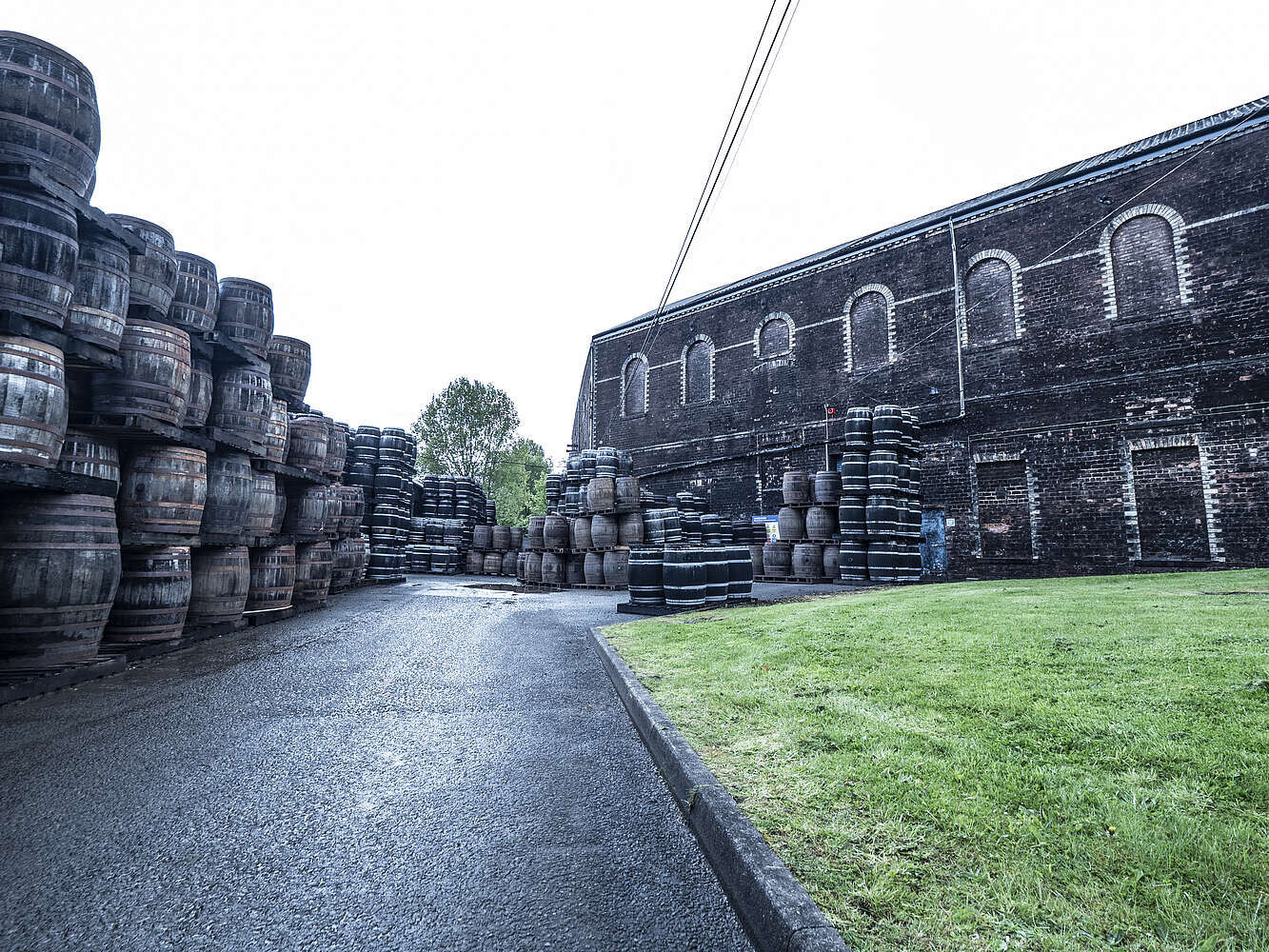
Loch Lomond Distillery is one of only four distilleries in Scotland that has its own cooperage. The barrels used to mature the distillery's whisky are processed in the distillery's cooperage and then carbonized according to standards, thus adding the unique flavor of Loch Lomond Distillery to the whisky.

Loch Lomond Distillery is located in a small town called Alexandria near Loch Lomond, only 24 kilometers away from Glasgow, Scotland's largest city.
Loch Lomond Distillery was established in the 1960s, but its history can be traced back to 1814, and it has a deep connection with the earliest whisky distillery in Scotland, Littlemill Distillery. Littlemill Distillery was established in 1772 and is the oldest distillery in Scotland. It has obtained the official certification of the government of King George the 3rd: "retail ale, beer and other excisable liquors". The Little Mill Distillery closed in 1994, and a fire in 2004 destroyed the distillery's buildings, leaving only a small amount of precious whiskey raw liquor, which is currently stored in the maturation warehouse of the Loch Lomond Distillery.
The earliest Loch Lomond Distillery was built in 1814 as the second distillery of Little Mill, located at the north end of Loch Lomond. Unfortunately, due to the scarcity of written records at the time, the specific closing time of this distillery is still unknown. The current Loch Lomond Distillery is a product of the distillery construction boom in the 1960s. In 1964, the former owner of Little Mill rebuilt the Loch Lomond Distillery in the distillery and officially started production in 1966.
The new Loch Lomond Distillery was not smooth sailing after its establishment. It was closed for about 3 years in 1984 and changed hands many times until Glen Catrine Bonded Warehouse Ltd. acquired the distillery and slowly stabilized. In 1994, a new grain whisky distillery and barrel making plant were built in the distillery. Loch Lomond became the only distillery in Scotland capable of producing both malt and grain whisky, and one of the few distilleries in Scotland with barrel making capabilities. In 2007, the Loch Lomond Distillery introduced the Coffey Still, which caused widespread controversy at the time because the Scotch Whisky Association had always claimed that this was an unconventional method.
In 2014, the Loch Lomond Group was established, which owns brands such as Loch Lomond and Glen Scotia in Campbeltown. In 2019, China's Hillhouse Capital Management acquired the Loch Lomond Group.
Loch Lomond has a very large mash tank, 10 25,000 litre and 11 50,000 litre fermentation tanks, and 12 100,000 litre and 8 200,000 litre fermentation tanks for grain whisky.
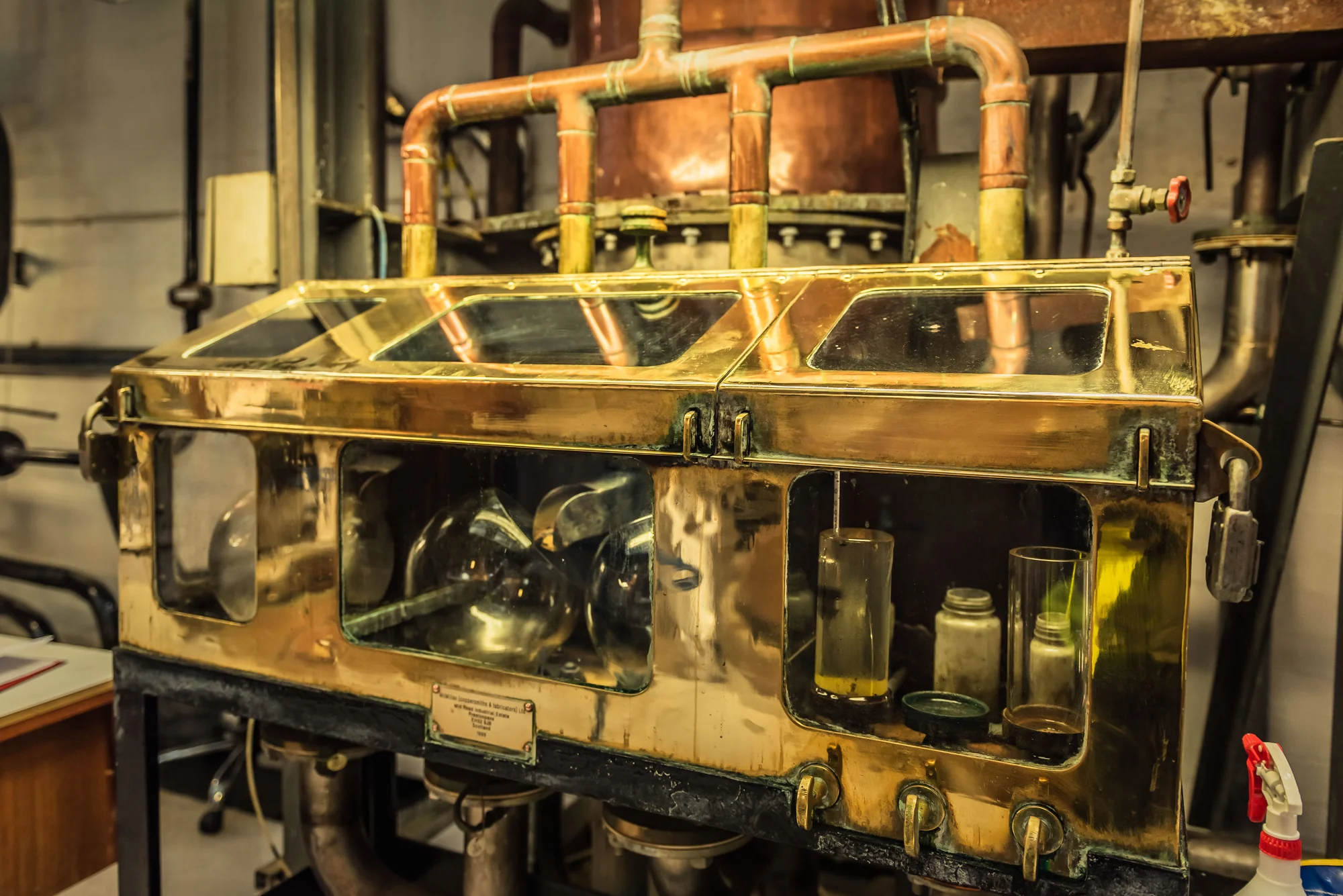
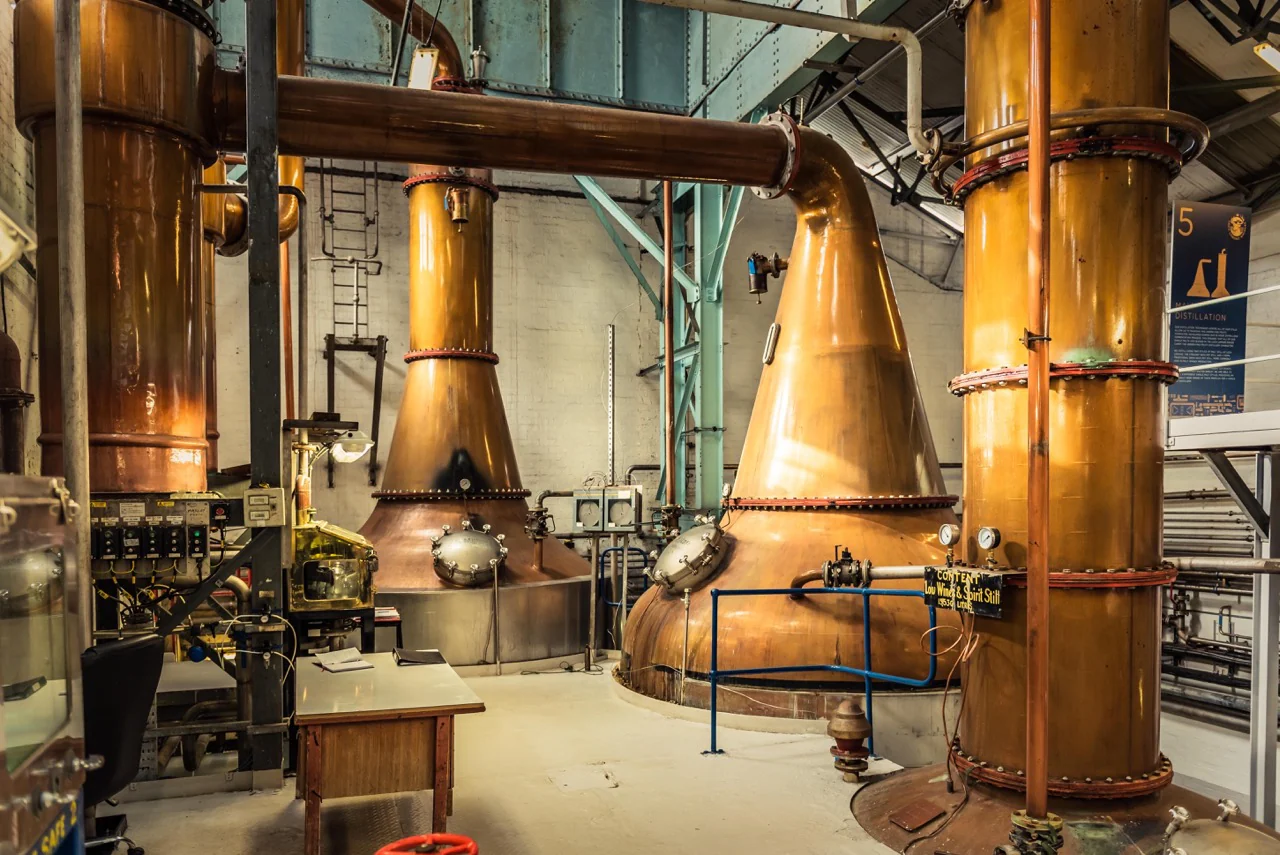
The distillery also has 8 stills for malt whisky, 2 of which are traditional copper stills and 6 of which are modified Lomond Stills. Lomond Stills have a unique cylindrical neck with a tray that allows direct contact with the condensing alcohol gas. This device improves production efficiency and can distill liquor with an alcohol concentration of 90%, while the common stills produce liquor with an alcohol concentration of 70%. In addition, this type of still can give different alcohol concentrations different flavors, which is an effect that ordinary continuous stills cannot achieve. At the same time, the distillery also has column stills for grain whisky.