【PESSAC LEOGNAN】【HAUT BERGEY - Biodynamic wineries】
【Four elements white wine】

ZTF434 - Chateau Haut Bergey Blanc Pessac Leognan 2019
Price: $320
3 Btls Promotion: $285/@ ----->【Bundle Promotion Click Here】<-----
種類 Type:White Wine 白酒
葡萄品種 Grape Varieties / 原材料 ingredient:82% Sauvignon Blanc 18% Semillon
產區 / 級別 Region:Pessac Leognan
酒精度 ABV:13.5%
容量:750ml
The "Four Elements" series has an annual production of only a few thousand bottles, making it truly "hard to find."
The concept of the "Four Elements" (fire, air, water, and earth) originates from ancient Greek philosophy and is presented with captivating poetry on the label. These elements are not only symbols of nature but also echo the core principles of biodynamic winemaking.
Fire: Symbolizes the seeds and fruit of the grape, the source of life's energy.
Air: Represents the lightness of floral aromas, giving the wine a lively and layered character.
Soil: The roots of the grapes absorb rich minerals, infusing the wine's structure and framework.
Water: Carries the vitality of the leaves, the foundation for the healthy growth of the vineyard.
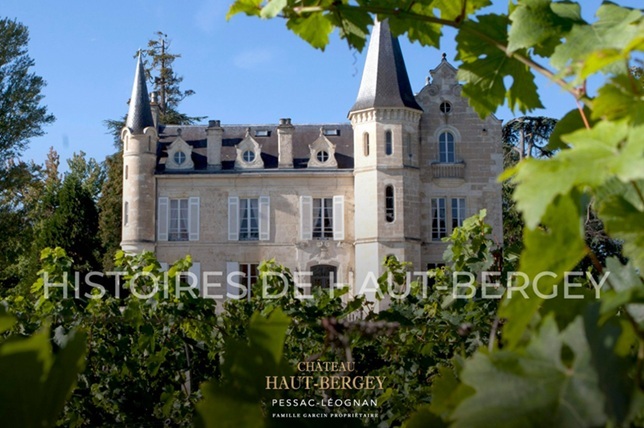
The winery's history dates back to the 15th century. The two lords of La Louvière and Olivier merged their lands to establish a new fiefdom—Château Pontel—which was the original core of Château Haut-Brégis. Near the current site of the winery was once the residence of the Pontel nobles, belonging to the rulers of the time. For centuries, this land successively belonged to the king's advisors and numerous Bordeaux wine merchants, who resided there and engaged in winemaking.
The elegant estate that stands today wasn't built until the mid-19th century. Despite excellent viticultural conditions at the time, the estate was used primarily for leisure and not for winemaking. Wine cultivation wasn't resumed until 1957. In the following years, the estate expanded rapidly through the acquisition of the neighboring Bergey estate and was renamed "Château Haut-Bergey".
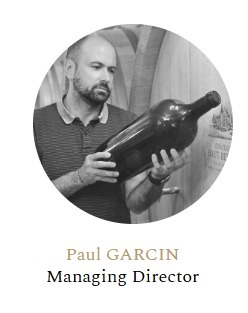
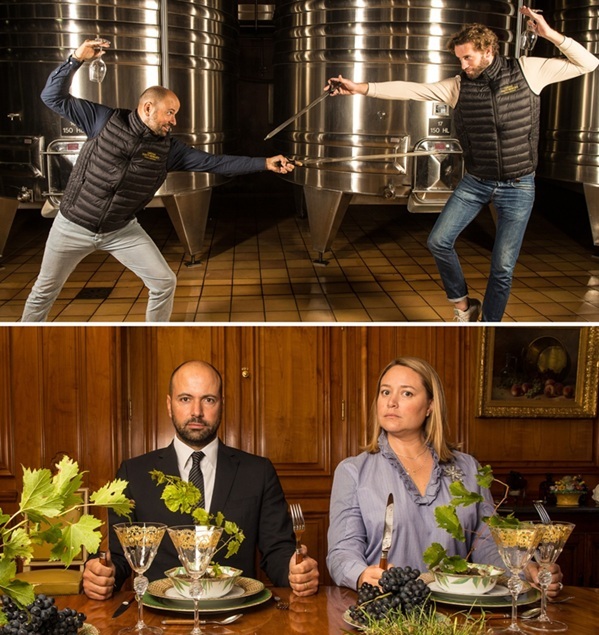
The current owner, Paul Garcin, is an artist who was once active in the film industry. With a creative and free spirit, he and his wife, Marilène, took over the family winery in 2014. They decisively decided to transform Château Haut-Bergey into a biodynamic winery, obtaining EU organic and Demeter certifications in 2018, and becoming the first biodynamic certified winery in the Pessac-Léognan appellation the following year.
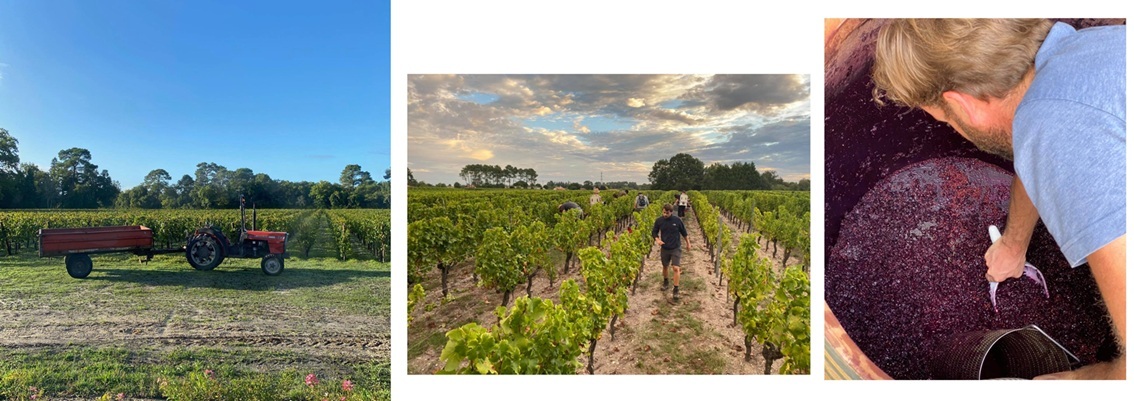
The vineyards boast a diverse soil composition, including gravel, sand, and clay, enabling the cultivation of a range of iconic Bordeaux grape varieties. The estate's vineyards comprise six distinct plots in the heart of Léognan, situated on gravel deposits left by the ancient Eau Blanche, a river that once flowed through the village. Covering a total area of 44 hectares, the vines average 20 years old, forming part of Château Haut-Bergey's vineyards, with some plots featuring vines as old as 60 years.
After transitioning to biodynamic viticulture in 2015, Château Hauberger adopted biodynamic farming methods starting with the 2016 vintage. Guided by the philosophy of Paul Garcin, the winery chose this path based on various experiences, including meetings with dedicated winemakers whose wines reflect the unique characteristics of their terroir.
His belief in the soil and vines is reflected in a broader vision of their natural harmony, emphasizing the human effort required to elevate them to a responsible, handcrafted level—a refocus on the natural labor of farmers to produce truly authentic wines.
A small but united and dedicated team works tirelessly every day for this project. The core members, including the general manager, viticultural director, and cellar manager, all share the same reverence for nature and a preference for balanced, authentic wines.