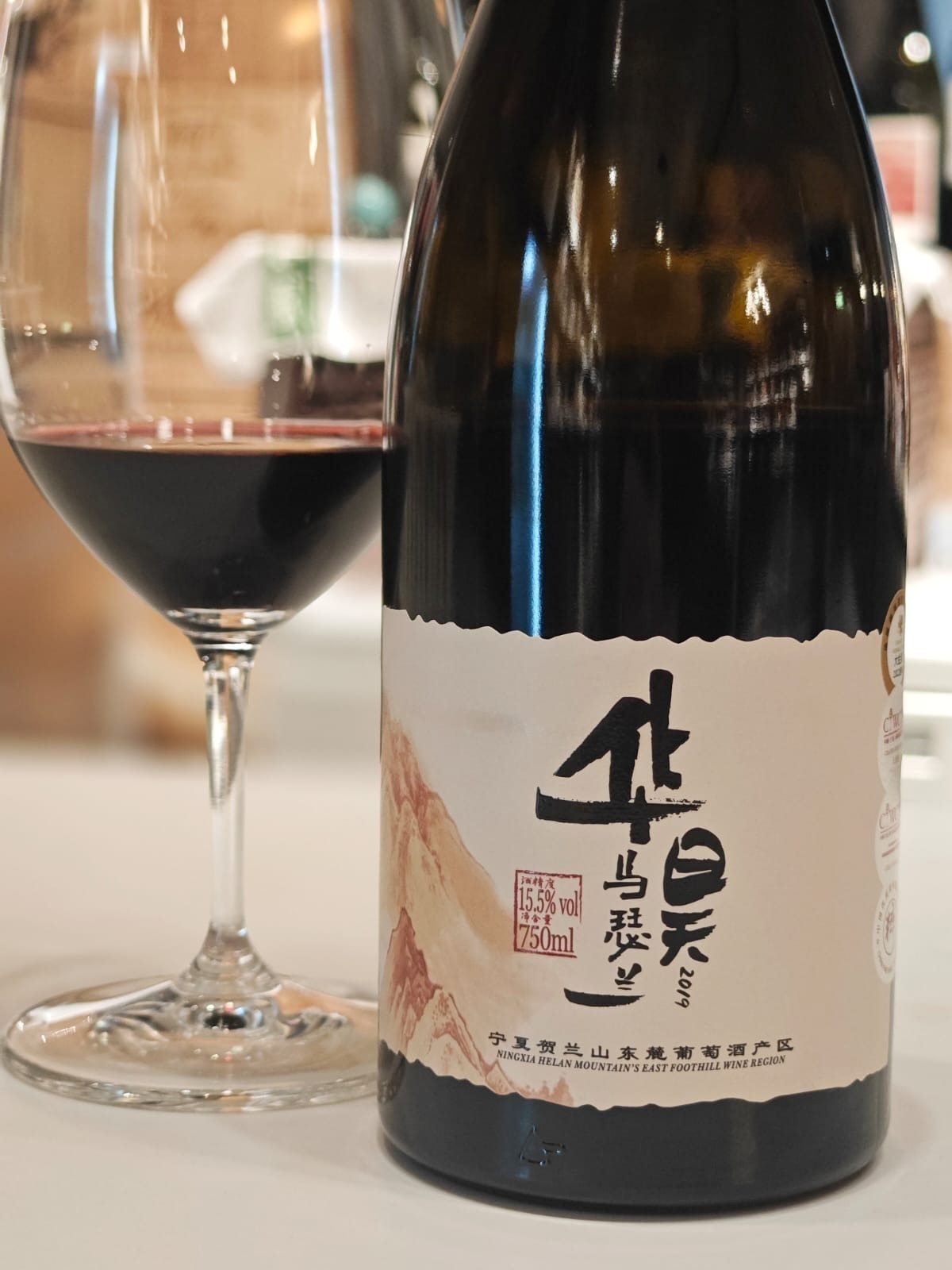
This wine made it into the 2022 James Suckling Top 100 Chinese Wines list, ranking 17th with a score of 94! It also won an award at the Decanter Awards!
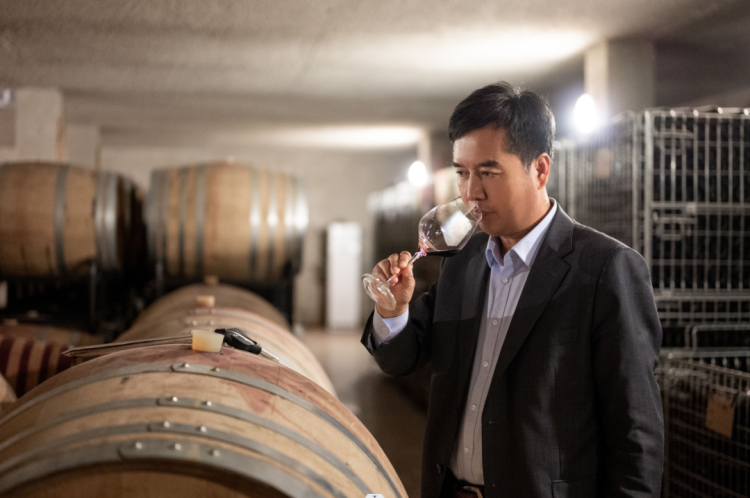
The winery's winemaking team has a key figure, their winemaking consultant, Li Demei. This master winemaker comes from the renowned third-growth Ch. Palmer, using French techniques to handle the Chinese terroir.
Honestly, normally you'd need several hundred dollars to drink a wine of JS 94-point quality. This Huahao Family Reserva is produced under the winery's strict "production control" and "late harvest" methods.
This approach is extremely costly, so the Huahao Family Reserva is definitely not overpriced.
Tasting Report: The color alone is captivating, a rich ruby red.
The aromas of violet and blackberry jam hit you right away! The most satisfying aspect is the subtle, oriental aroma, reminiscent of fine incense, smoked meat, and hints of vanilla, cream, and coconut from the oak barrels.
The 15.5% ABV is truly impressive! The initial burst of power is explosive, with a body that surpasses even Amarone in richness and fullness. Although the tannins are extremely pronounced, they have been softened by 18 months in French and American oak barrels, resulting in a velvety smoothness. The acidity perfectly balances the sweetness from the "late harvest," leaving no trace!
The finish features notes of dark chocolate and sweet spices, lingering on the palate for an exceptionally long time.
Finally, and importantly, this wine is incredibly drinkable. After a full day of tasting, it showed changes every hour. For the price of one wine, experiencing so many facets is well worth the price.
The "Pillow Mountain" series is from an independent estate, established by Huahao's chief winemaker, Jiang Tao, as a "boutique garage wine." Their production is extremely limited, with almost everything meticulously handcrafted. The winemaker's philosophy, like that of top French wineries, is "to let the grapes express themselves."
This time, Chef Jiang Tao used an extremely bold method for this Pillow Mountain Chardonnay Dry White, aging the white wine in oak barrels for a full 16 months! Normally, aging white wine for a few months risks the oak flavor overpowering the fruit aromas, but he has the ability to achieve a perfect blend of fruit and oak aromas—truly a testament to his skill and daring!
[Huahao Winery Background]
Huahao Winery officially began winemaking in the Helan Mountains of Ningxia in 2006, making it a pioneer in the field.
Every member of the winery's winemaking team is highly accomplished! Winemaking consultant Li Demei comes from the renowned third-growth Ch. Palmer, and chief winemaker Jiang Tao was awarded a Gold Medal Winemaking Consultant title by DWWA.
Their core winemaking philosophy insists on "controlled yield" and "late harvesting," using a maximum of 400 kilograms of grapes per acre, and only harvesting the grapes in mid-October when they are fully ripe and have extremely high sugar content.
This method is extremely costly, but the resulting wine is unbelievably fragrant!
【Eastern Foothills Terroir】 How excellent is the geographical location of the eastern foothills of the Helan Mountains in Ningxia?
A saying describes it: "Mountains block the wind and sand, peaks hide treasures."
The majestic Helan Mountains on the left act as bodyguards, helping to block the northwest winds blowing from the Tengger Desert and the Siberian cold air currents.
Most importantly, it has a climate! At an altitude of thousands of meters, it receives over three thousand hours of sunshine a year, with extreme temperature differences between day and night.
This allows the grapes to accumulate extremely high sugar and flavor compounds, resulting in thick skins, sweet flesh, and perfectly preserved acidity. How could these wines not be excellent?
【China's Classified Growth System】 The eastern foothills of the Helan Mountains in Ningxia actually have a very strict "classified growth" selection system. The system is similar to the Bordeaux classification system in France in 1855. Ningxia's system has five levels (with the first level being the highest).
And the certification is renewed every two years! Wineries compete on vineyard management, winemaking equipment, wine quality, number of awards, and even tourism and cultural promotion. In short, it's not as simple as having money to open a winery and hanging up the "Classified Growth" sign; it all comes down to hard power!