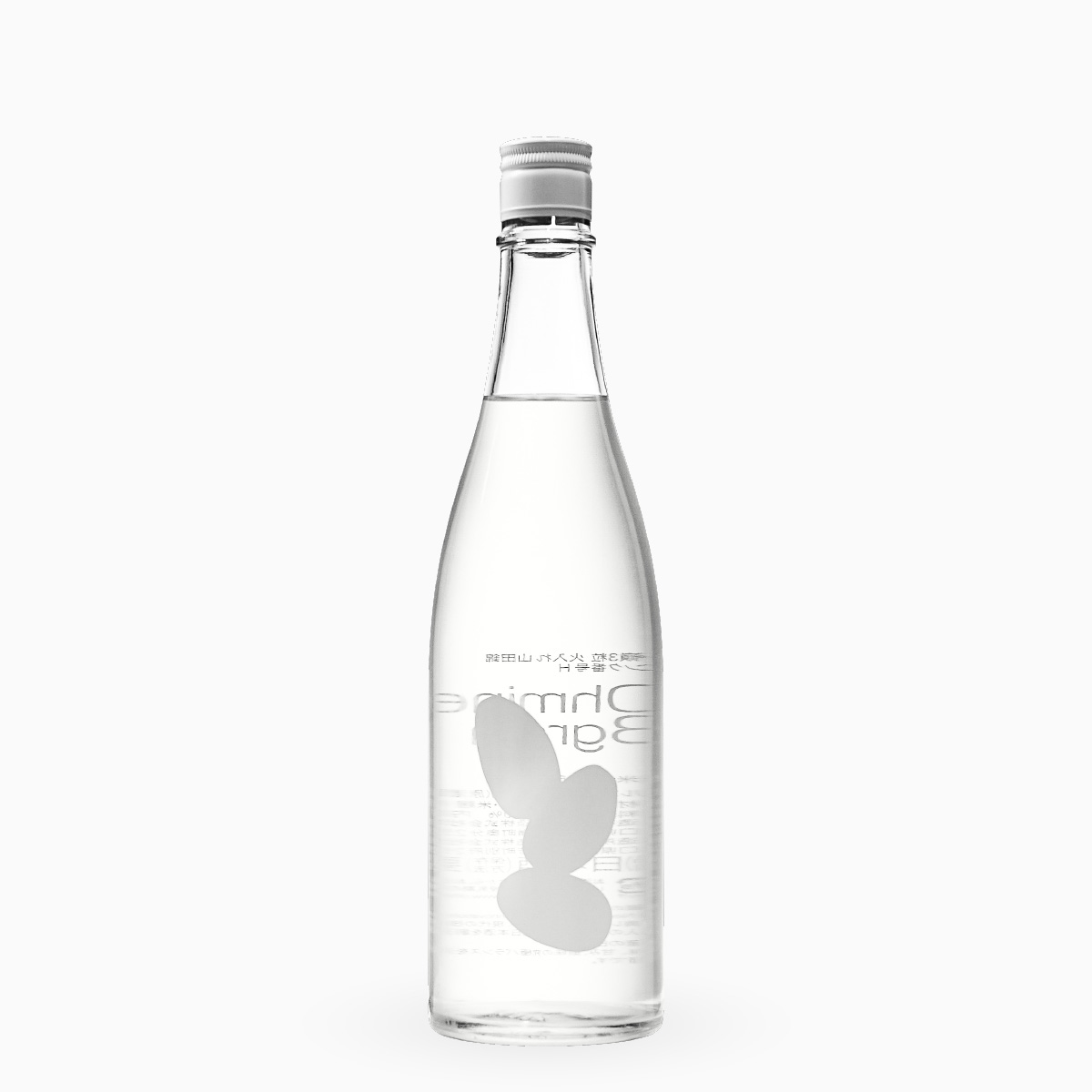
【Silver Award in Sake Contest IWC】
【Traditional technology + international vision - Ohmine Brewery】
【100% Yamada Nishiki】
【Fire into】
【Junmai Daiginjo】
【Special sake for the economic forum sponsored by the Japanese government】
【Manufacturing year 7 2026】
ZJ091- Ohmine 3 grain Yamada Nishiki
Original price: $198/ bottle
Production area: Yamaguchi Prefecture, Japan
Brewer name: Daling Brewery Co., Ltd.
Raw rice: Yamada Nishiki 100%
Rice polishing step: 50%
Alcohol: 14.5%

Features: Beppu Bentenchi, one of Japan's top 100 famous waters, is used, which is one of the 100 best waters in Japan. Since it is gushing out from the shrine grounds, it contains a lot of minerals that are indispensable for sake brewing. It has been called the water of the gods since ancient times, and it is said that "drinking a sip of water can prolong life."
Tasting Notes: Rich in aroma, with the sweet and sour taste of muscadine grapes and apples in the mouth, suitable for light food such as sashimi, sushi, and white fish
"Daling Shuzo" comes from the Daling Shuzo in Yamaguchi Prefecture, which was revived in 2010 and closed in 1955. The current person in charge, Mr. Goji Akiyama, aims to cater to international tastes. The winemaker has left a deep impression on the wine label design, product classification and flavor, creating an international taste. The design of the wine bottle has invited 🇸🇪Swedish design The studio "Stockholm Design Lab" designed the design. The same black and white minimalist design echoes the winery itself. The opaque glass material can keep the wine from deteriorating, and it also abandons the traditional wine design with "calligraphy" inscriptions. logo, and use the very simple silhouette of "rice grain" instead! In recent years, it has become a high-quality brand in Hong Kong and Japan. The sake brewing uses extremely high-quality contract Zapei Yamada Nishiki, brewing a pleasant fruity aroma and elegant taste. It is definitely a confident choice for novices and veterans, men and women, young and old, gifts and personal use in many occasions. Even in 2013, the Swiss Davos World Economic Forum sponsored by the Japanese government also chose to use it, so it suddenly became the focus of the world's attention. In addition, Eri Mizhong is very popular in restaurants, from izakaya to Michelin three-star restaurants. figure.
【Three grains of rice】
The designer wants to bring this wine to the world, considering that most foreigners do not understand Chinese characters, so they use the simplest method - 📈image method. The sake produced by Daling Brewery has one grain of rice, two grains of rice, three grains of rice and five grains of rice, which correspond to different degrees of polished rice and represent different grades. A grain of rice is the most expensive, because the loss of rice is the highest (the degree of rice polishing).
【Used by Yamada Nishiki of "King of Wine and Rice"】
In 1923 (the 12th year of Taisho), the then Hyogo Prefectural Agricultural Experiment Field first successfully developed "Yamada Nishiki" 🍽️, which was later promoted to be widely planted throughout Japan. Many brewers have been recognized by many international competitions for their use of "Yamada Nishiki" wine. The guarantee of a high winning rate has also given it a "white diamond" reputation. In particular, "Daiginshu" uses this kind of rice with large grains, white core, and low protein content. It has been refined to the maximum extent possible, regardless of cost and time. The sake brewed in this way has a rich aroma and a smooth and refreshing taste, no wonder it is called a work of art in Japanese sake.
【火入】
「火入れ(hiire)」 是加熱處理,通常在將清酒儲存前以及將清酒入瓶後出貸前通進行共兩次 「火入れ(hiire)」的處理過程。加熱處理主要有兩個目的。第一,殺菌消毒防止日本清酒變質。第二目的,停止日本清酒內的酵素運作、安定酒質🫶🏻。即使說成「火入れ(hiire)」,也不是直接將清酒放到火上加熱,而是用熱水加熱管道或電板後把清酒通過管道或電板加熱清酒,或裝瓶後放在熱水中加熱。不經「火入れ」處理的清酒為「生酒」。沒有受到加熱處理,壓榨後立即裝瓶出貨。
【純米大吟釀】
Daiginjo is a sake made with the "ginjo brewing method". Brewers need to use low-temperature fermentation to make it. When the temperature is lowered, the speed of microbial fermentation also slows down, so it takes double the time to wait for a bottle of sake that matures quietly. Ginjo-shu has a unique and delicate fruity aroma, called "Ginjo-scent", which is why the series is so popular.
However, when brewing, without adding brewing alcohol, you can add "junmai" to the label. Junmai sake will have a stronger rice aroma and a thicker body, while the addition of brewed brewing alcohol will dilute it a little, making it light and refreshing. Which one to choose depends on what food to go with, if it is seafood or even sashimi, the latter will be more suitable. If it is a strong flavor such as barbecued meat and fried food, it will be better with pure rice wine.