【1855 Bordeaux 2nd Growth】【Second Wine】
【Wine Consultant: Eric Boissenot】【James Suckling 92pts】
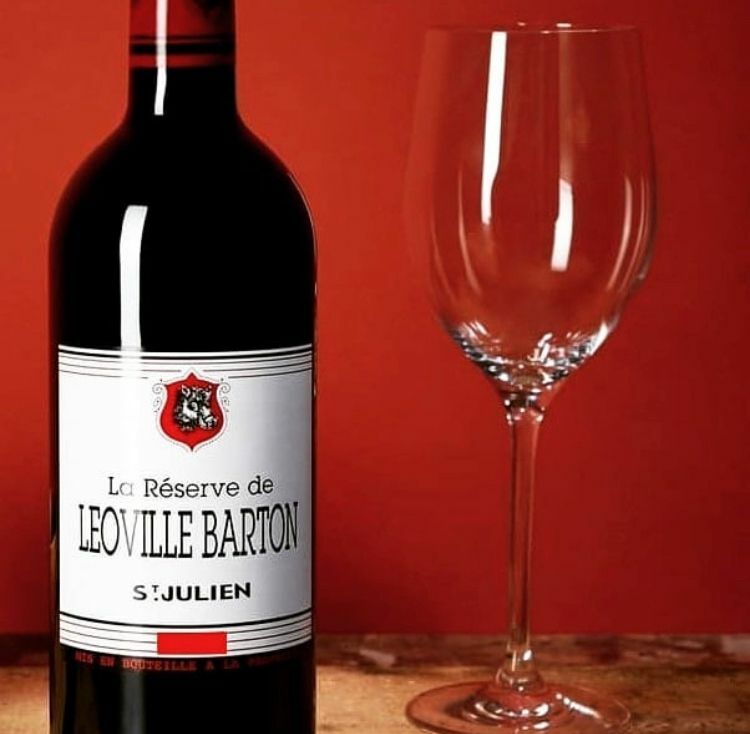
ZTF491D La Reserve de Leoville Barton 2014
Special Price: $248/bottle
Region: France/ Bordeaux/ Saint-Julien
Grapes: 71% Cabernet Sauvignon, 25% Merlot, 4% Cabernet Franc
Alcohol: 13%
Feature: Harvesting is done entirely by hand. After de-stemming, according to their plot, the berries are carefully sorted, crushed and poured into temperature-regulated wooden barrels. The alcoholic fermentation lasts 7 to 10 days, the extraction always respects the juice, the number of pumps adjusted according to the cuvée and vintage. It is macerated for about 3 weeks, then the juice is pumped into buckets in batches. This second wine from Chateau Léoville Barton comes from young vines and plots that have not yet met the high requirements for entry into the Grand Vin. The wine is then aged for 16 to 18 months in 1 wine French oak barrels, with a cellar temperature of 15°.
Tasting Notes: Ruby colour, red and black fruit (blackberry) and liquorice are very expressive. On the palate, this wine is silky, fleshy, full-bodied and powerful, while maintaining the finesse of a St Julian's wine. Beautiful finish with lots of fruit.
【James Suckling 92pts】
Aromas of currants and berries with flowers and spices. Some balsamic vinegar, too. Medium to full body, firm and compacted tannins and a long and flavorful finish. Solid young wine. Excellent second wine of Léoville Barton.

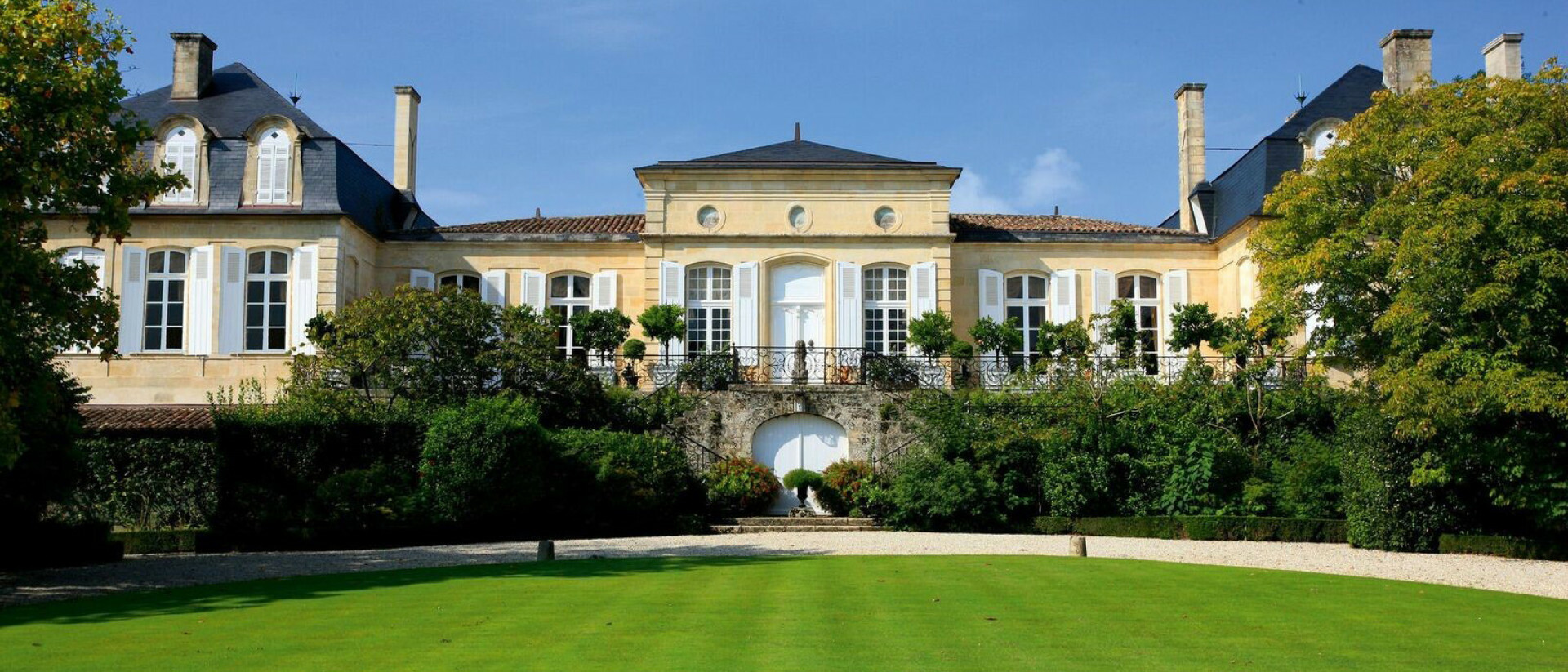
Located in the heart of the Saint-Julien appellation in Bordeaux, France, it was classified as a Second Growth in the 1855 classification, adjacent to Chateau Talbot and Chateau Leoville Las Cases. There are three second-tier estates with the name "Leoville" in the production area. In fact, during the French Revolution, the estate was confiscated and auctioned and divided into three plots. One of the fields was purchased by British immigrant Hugh Barton in 1820 and later renamed Leoville Barton, while the other two became Leoville Las Cases and Leoville Poyferre, the current second-tier villages.
Since taking over the winery in 1980, Anthony Barton has developed a strong interest and respect for his wines, which have grown exponentially in quality while maintaining their reasonable price tags, earning a Wine Spectator Top 100 ranking in 2019 First, it was named the best wine of Bordeaux substance by Wine Searcher.
The estate covers a total area of 50 hectares and is planted with 74% Cabernet Sauvignon, 23% Merlot and 3% Cabernet Blanc, of which a considerable part is old vine vines, with an average age of 40 years. . The soil in the garden is typical Saint-Julien soil, with gravel soil as the top soil and deep clay soil as the bottom soil. The winery respects the concept of respecting natural and organic planting of grapes, and implements high-density planting, with 9,100 plants per hectare, in order to control the yield of grapes and improve the quality of grapes.
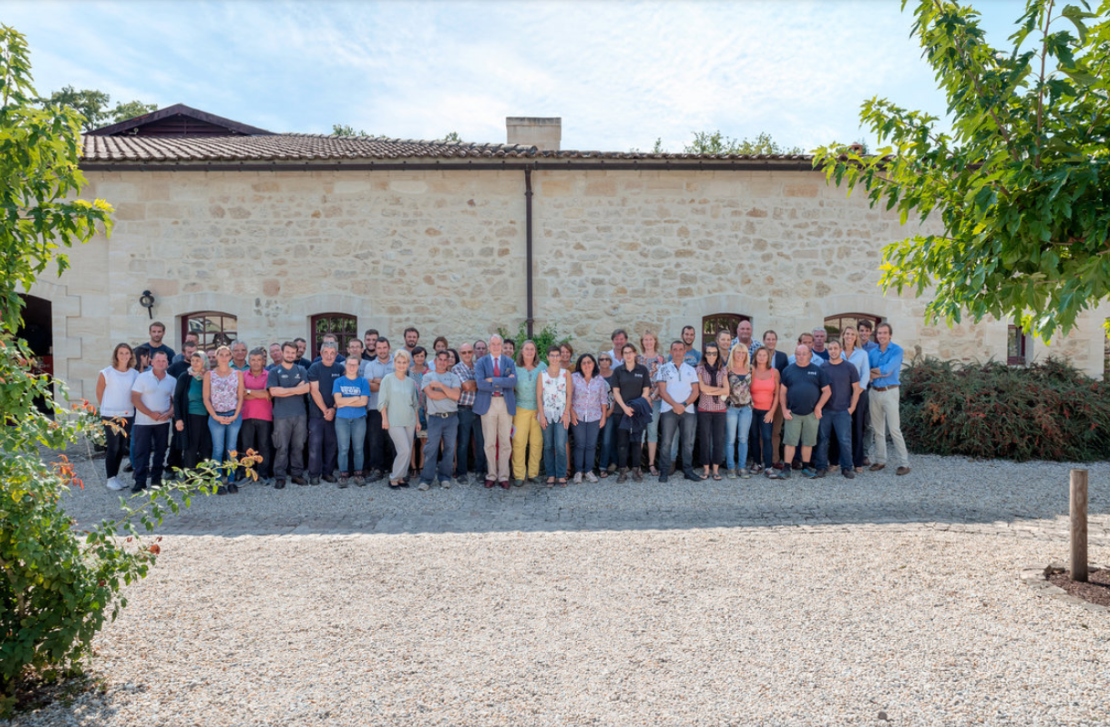
The winery also hired well-known winemaker Eric Boissenot as a winemaking consultant. During the harvest season, the winery usually sets up a team of 120 people for manual picking. After the harvested grapes are de-stemmed, they will be screened on the optical sorting table, and then put into temperature-controlled oak barrels for fermentation. Second rind, then transferred to 60% new French oak barrels for 18 months of ageing. During the aging process, the winemaker will continue to add barrels to isolate the wine from contact with the air. Finally, the wine is poured and egg white clarified before bottling.