{{ 'fb_in_app_browser_popup.desc' | translate }} {{ 'fb_in_app_browser_popup.copy_link' | translate }}
{{ 'in_app_browser_popup.desc' | translate }}
{{word('consent_desc')}} {{word('read_more')}}
{{setting.description}}
{{ childProduct.title_translations | translateModel }}
{{ getChildVariationShorthand(childProduct.child_variation) }}
{{ getSelectedItemDetail(selectedChildProduct, item).childProductName }} x {{ selectedChildProduct.quantity || 1 }}
{{ getSelectedItemDetail(selectedChildProduct, item).childVariationName }}
Buy 6 bottles Alcoholic product Free Delivery Fee (Hong Kong) on selected categories
$1200 or above order free delivery (Hong Kong) on order
Buy Together and Save More (At most {{ addItemQuantity }} item(s))
Not enough stock.
Your item was not added to your cart.
Not enough stock.
Please adjust your quantity.
{{'products.quick_cart.out_of_number_hint'| translate}}
{{'product.preorder_limit.hint'| translate}}
Limit {{ product.max_order_quantity }} per order.
Only {{ quantityOfStock }} item(s) left.
Region: France/ Bordeaux / Pessac-Leognan
Grape varieties: 60% Cabernet Sauvignon, 32% Merlot, 8% Petit Verdot
content: 13.5%
Volume: 750ml
Features: 16 months in oak barrels


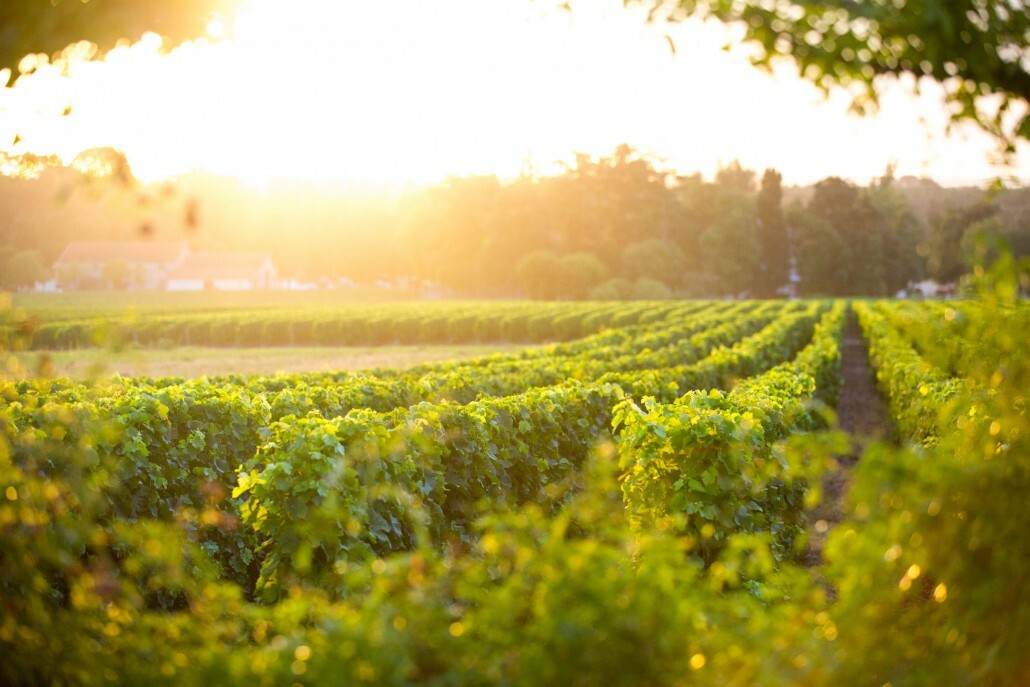
Château Latour-Martillac has 42 hectares (104 acres) of vines, three-quarters of which are planted to red grapes. Cabernet Sauvignon makes up about 60% of the vines, along with some Merlot and a small amount of Petit Verdot. Semillon takes up most of the remaining vineyards, followed by Sauvignon Blanc and some Muscadelle – a classic combination of the region’s white grapes. The vineyard is divided into two parts. A slightly elevated hill on the estate, with gravelly soils from the ancient movement of the Garonne River, used for Cabernet Sauvignon and Petit Verdot. Close to the modern river bank is a still gravel plot with a high concentration of clay in the subsoil, planted with Merlot and white varieties. There is also a small plot of 0.65 hectares (1.6 acres) called Grattecap, which dates from 1884 and is mainly planted to Semillon. It is harvested entirely by hand and plowed by horses. Latour-Martillac began producing a second wine in 1986, called Lagrave-Martillac.

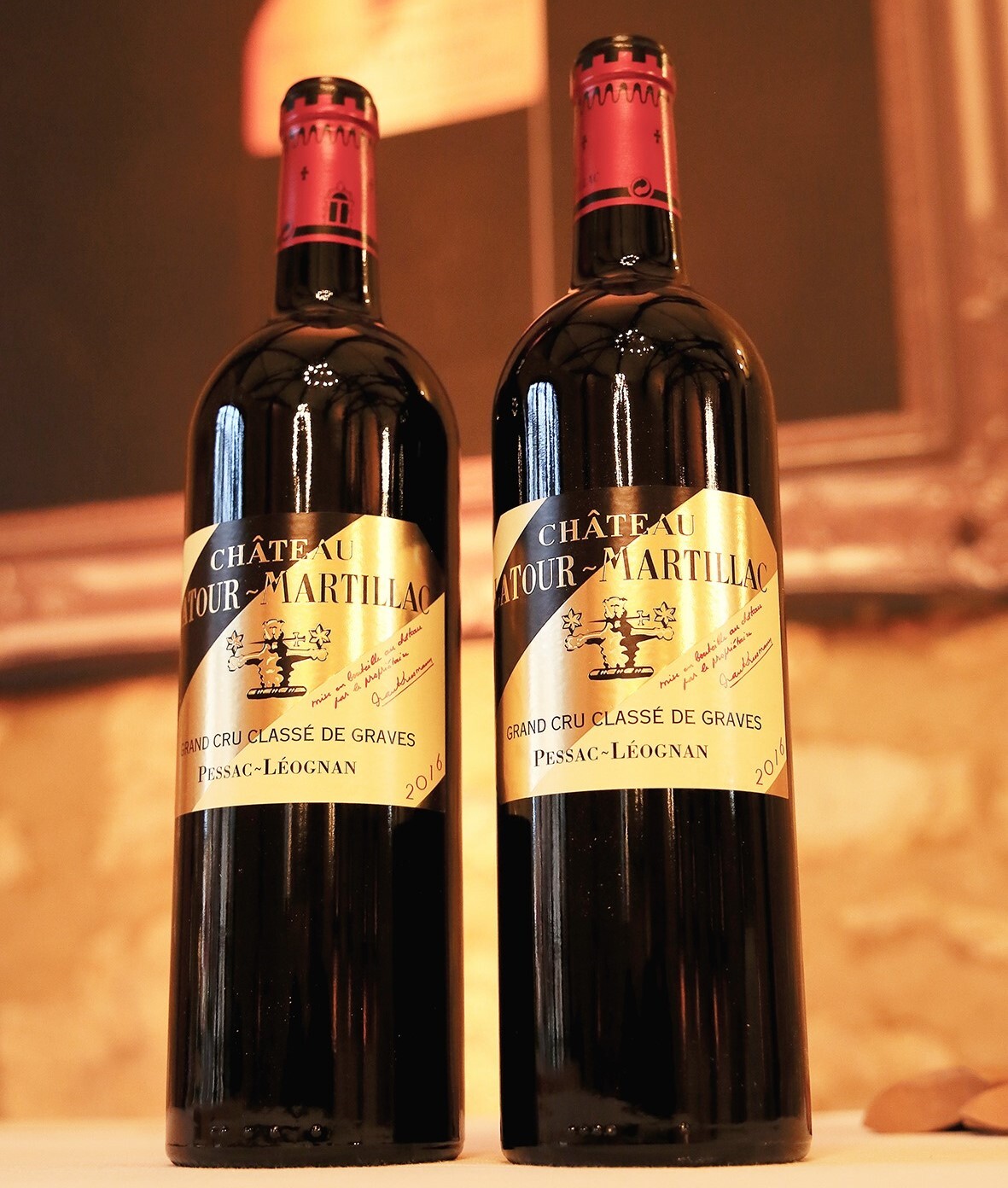
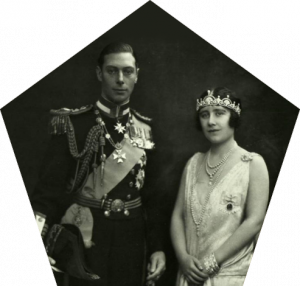
In the early 1930s, Alfred Kressmann and Jean Kressmann, two father and sons, relied on their outstanding artistic talents to create a winery for the wines produced in their family's classified wineries. A wine label. The design of this wine label was inspired by the Art Deco movement, which was very fashionable at the time. The famous design - "gold and brown horizontal stripes" icon, is still in use today. Soon, everyone was raving about the wine produced at Chateau Latour Martillac. The 1934 vintage of Château Latour Martillac's red wine was selected into the list of the "Wine and Spirits Charity". And in December 1936, at the coronation ceremony of His Royal Highness King George V of England, the wine of Chateau Latour-Martillac was selected and became one of the royal wines of the English royal family.

As a statutory sub-region of Bordeaux, Pessac Leognan should be considered the youngest. It has only been 30 years since it became an independent production area in 1987, but this youngest production area is enough to stand out from the rest. The Pessac-Leognan wine region originally belonged to two wine villages under the Graves wine region: Pessac and Leognan. As early as 1855, when Bordeaux was classified as a Grand Cru, three of the four First Growths were in the Medoc. The only one that was not in the Medoc was Haut-Biron (also known as Haut-Biron). Chateau Haut-Brion is located in Pessac Wine Village.