{{ 'fb_in_app_browser_popup.desc' | translate }} {{ 'fb_in_app_browser_popup.copy_link' | translate }}
{{ 'in_app_browser_popup.desc' | translate }}
{{word('consent_desc')}} {{word('read_more')}}
{{setting.description}}
{{ childProduct.title_translations | translateModel }}
{{ getChildVariationShorthand(childProduct.child_variation) }}
{{ getSelectedItemDetail(selectedChildProduct, item).childProductName }} x {{ selectedChildProduct.quantity || 1 }}
{{ getSelectedItemDetail(selectedChildProduct, item).childVariationName }}
Same as Chateau Lafite both belong to Domaines Baron de Rothschild
1855 classification - Quatriemes Grands Cru Classe
It would have been nonsense not to acquire such a great neighbouring vineyard
James Suckling 94 pts
Buy 6 bottles Alcoholic product Free Delivery Fee (Hong Kong) on selected categories
$1200 or above order free delivery (Hong Kong) on order
Buy Together and Save More (At most {{ addItemQuantity }} item(s))
Not enough stock.
Your item was not added to your cart.
Not enough stock.
Please adjust your quantity.
{{'products.quick_cart.out_of_number_hint'| translate}}
{{'product.preorder_limit.hint'| translate}}
Limit {{ product.max_order_quantity }} per order.
Only {{ quantityOfStock }} item(s) left.

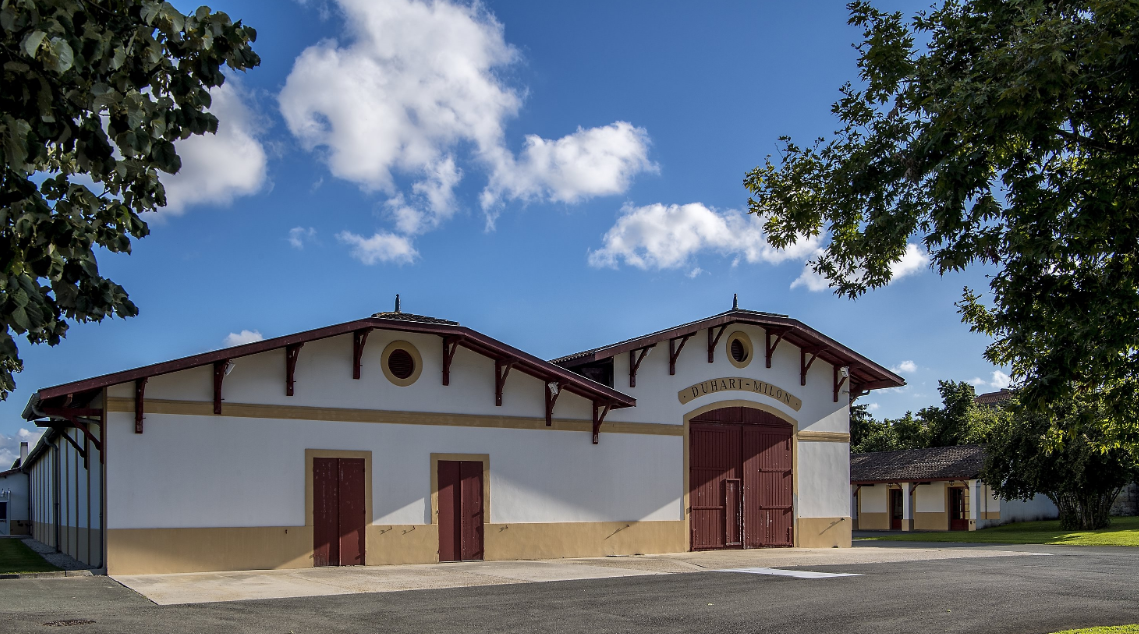
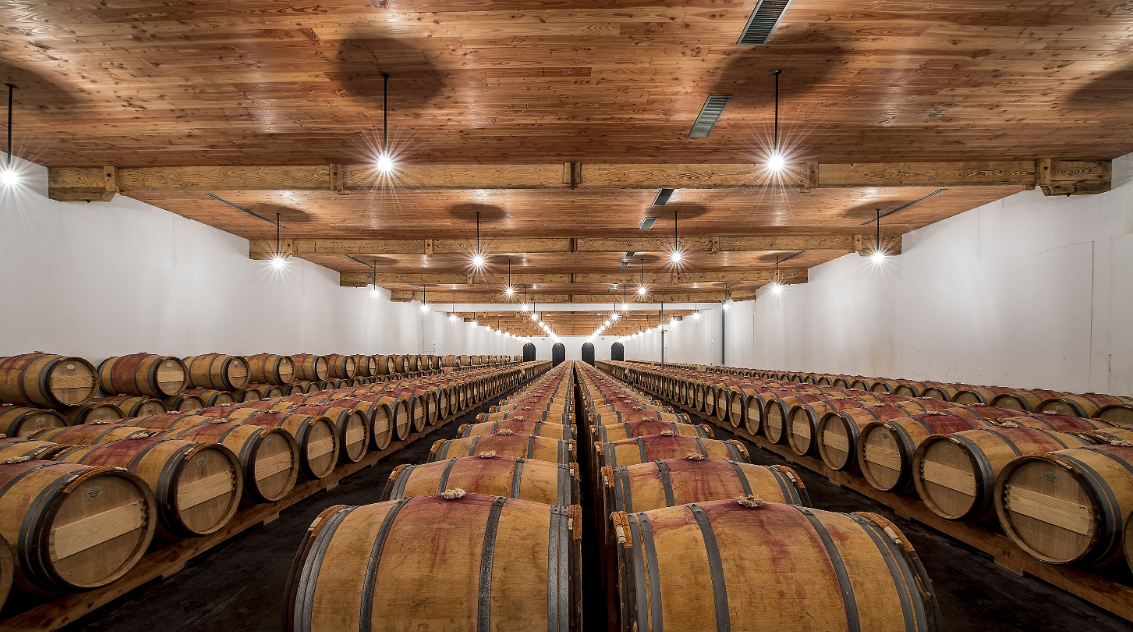
In the early 18th century, Pauillac began widespread grape cultivation at the urging of the Lafite lords. The Milon wines served as additional income for Lafite’s master, and became Château Lafite’s second wine. The 1855 classification recognized the quality of Duhart-Milon’s soil by ranking it as the only 4th growth wine in Pauillac. Between 1830 and 1840, the Castéja family was left an inheritance by both Mandavy and the Duhart widow (35 acres). The family thus possessed a 99 acre vineyard that was named Duhart- Milon. The property changed ownership many times over the years and suffered a decline in the quality of its’ wines. The property was named after the Sieur of Duhart, gun-runner to Louis XIV, who originally owned the property, and from the name of the little hamlet of Milon which separates the Duhart-Milon vineyard from Château Lafite. In 1962, Domaines Barons de Rothschild (Lafite) acquired the property from the Castéja family. Since the acquisition by Domaines Barons de Rothschild (Lafite) the vineyards have been totally overhauled and the chais renovated. A finishing touch to a remarkable 40 year effort to reclaim the Médoc 4th growth wine ranking for Château Duhart-Milon.
Chateau Duhart-Milon’s grand vin is often described as a model of the Pauillac appellation. The broker Guillaume Lawton noted as early as 1815 that “it is very robust, with a fine colour, and quite pronounced sappiness” (he describes the “sappiness” of the Médoc’s premierscrus as “something like the odour given off by finest sealing wax when it is burned”).

James Suckling 94 pts