ZF644B - Lagrange 2010 Saint-Julien
Special price: $258/piece
Producing area: France/Medoc/Bordeaux/Saint-Julien
Grape Varieties: 60% Cabernet Sauvignon, 31% Merlot, 9% Petit Verdot
Alcohol: 14%
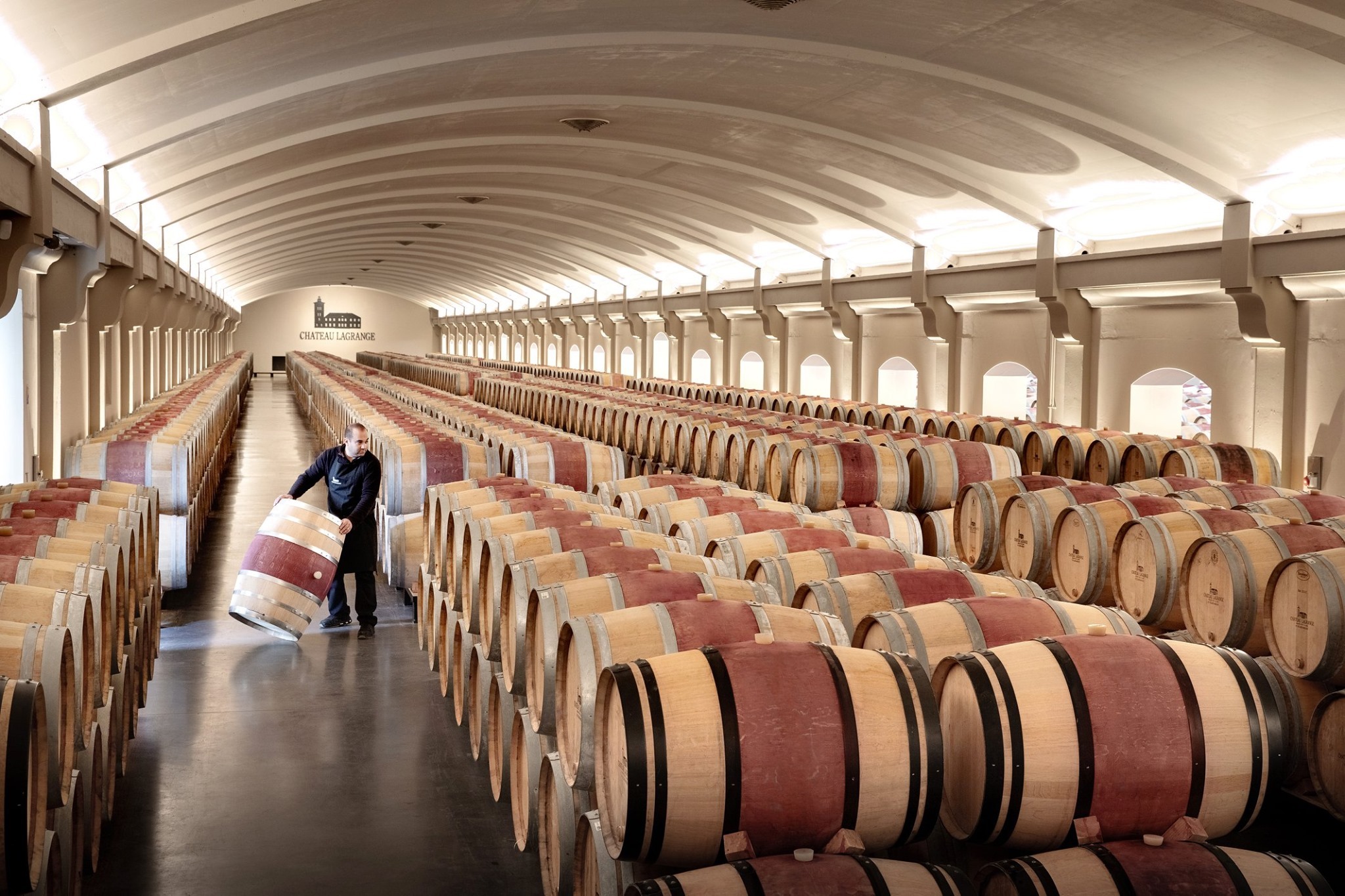
Chateau Lagrange
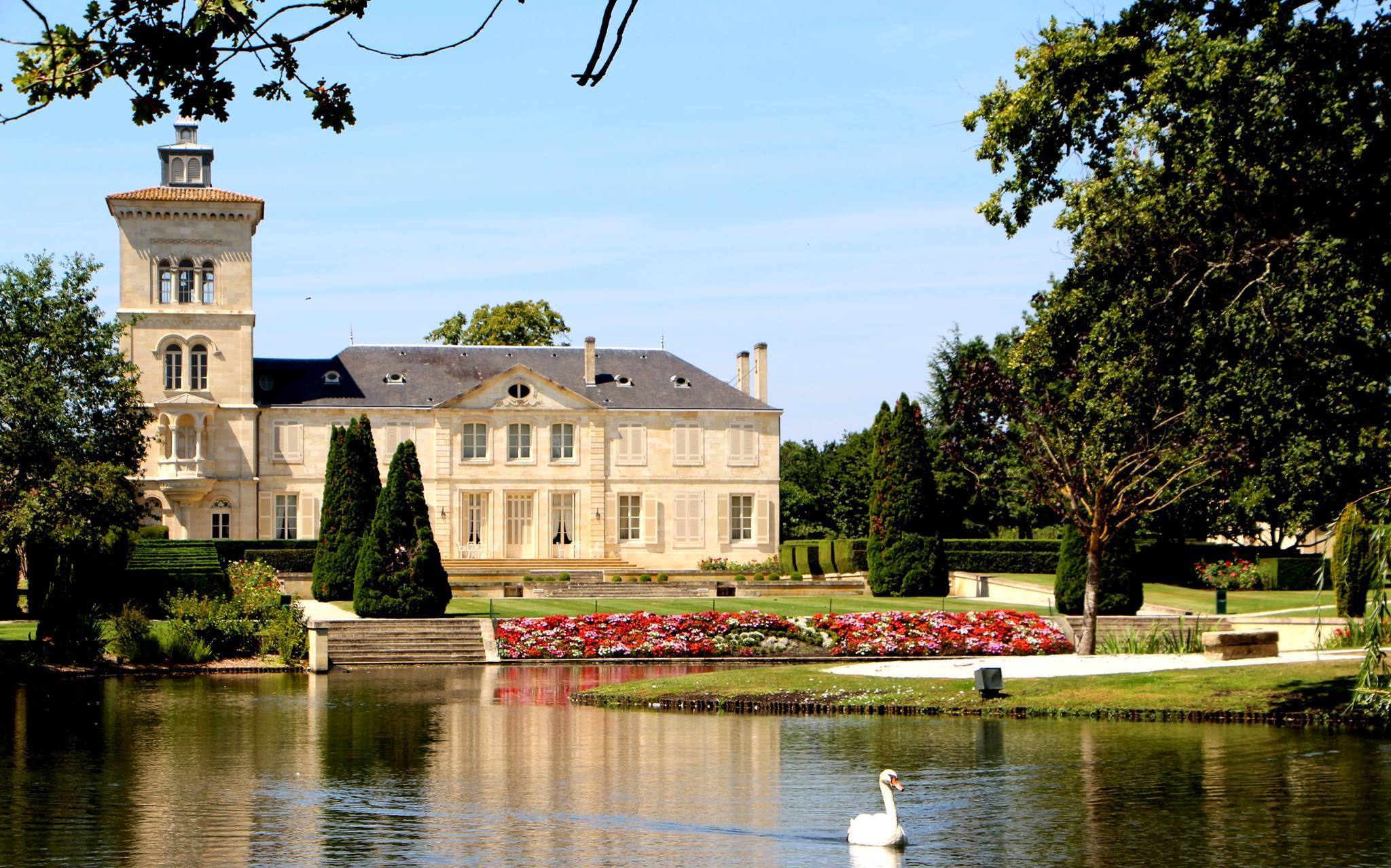
Chateau Lagrange was classified as a third growth in the 1855 Classification of the Médoc and Graves and is located in Saint-Julien, on the left bank of the river Gironde.
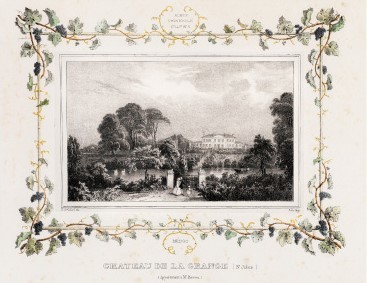
Historically, there is evidence that grapes were planted here in the Middle Ages and that, at the time, the proprietors owned the largest wine-producing estate in the Médoc area. It was passed between many well-known wine merchants and families throughout the 18th, 19th and 20th centuries until the current owners, Suntory, purchased the estate in 1983.
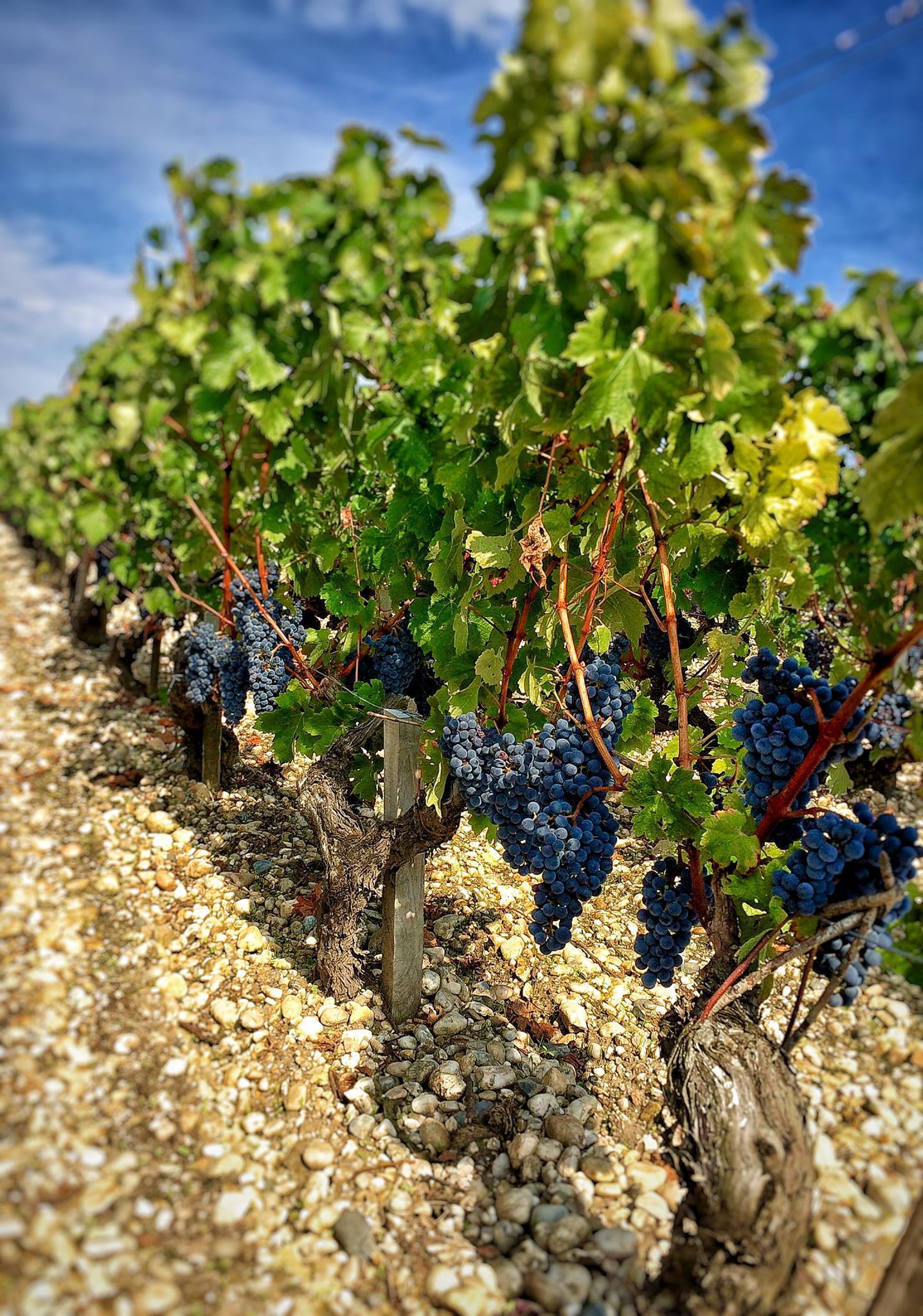
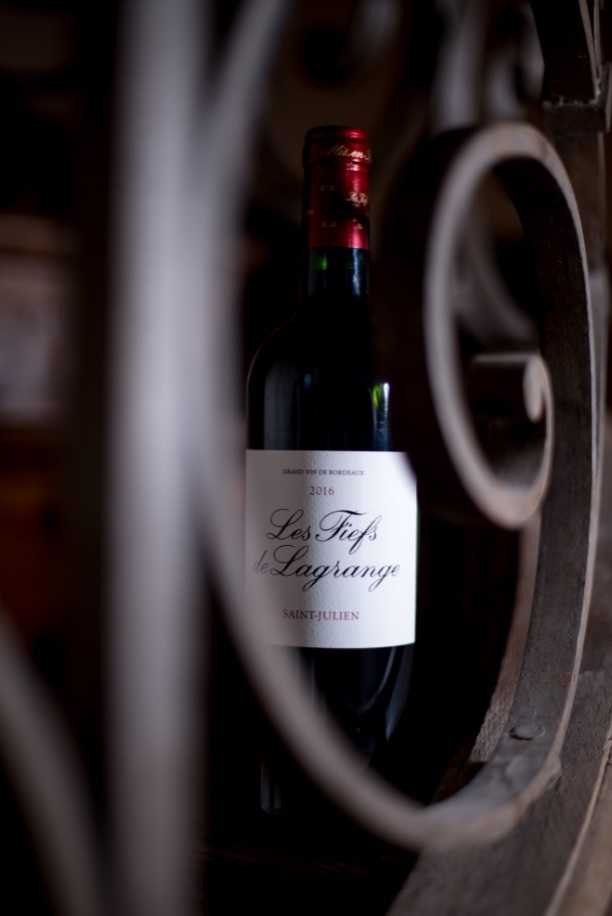
The plantings at the château are predominantly Cabernet Sauvignon, Merlot and Petit Verdot, as well as Sauvignon Blanc, Sauvignon Gris and Semillon. The red wines tend to be Cabernet Sauvignon-dominant and the whites are mainly Sauvignon Blanc with equal parts Sauvignon Gris and Semillon. The grand vin is a Cabernet Sauvignon blend, aged for nearly two years in 60 percent new oak. The second wine is called Les Fiefs de Lagrange and was established in 1985. It comes from vines that are on average 30 years old, matured in French oak barrels for a year and then bottled.

The château also produces another wine, Le Haut-Médoc de Lagrange, from 18 hectares (45 acres) of gravelly soils on a neighboring commune, purchased in 2012. This wine is a more even blend of Cabernet Sauvignon and Merlot and is smooth and fruit forward, ready to be drunk earlier than its stablemates. Since 1996, there has also been a dry white wine added to the Lagrange portfolio. Known as Les Arums de Lagrange, it is a barrel-fermented, Sauvignon Blanc-dominant white made in a rounded and spicy style, often with notes of citrus zest, stone fruits and vanilla.
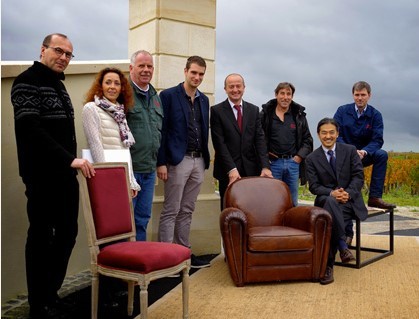
The Japanese group, Suntory, acquired the domain when the purchase was signed by the company president, Mr Keizo Saji, in1983.Marcel Ducasse was then recruited along with Kenji Suzuta to undertake the complete restructuring of the vineyard and a spectacular renovation of the whole estate. This first step was to mark the rebirth of CHÂTEAU LAGRANGE.After twenty years of dedicated work, as well as human and technical investments, Lagrange had once again found recognition amidst its peers and had achieved a certain sense of fulfilment.Today a new tandem, Matthieu Bordes and Keiichi Shiina, have taken over this quest for excellence. A second phase of investments began with the 2008 vintage, offering Lagrange the technical means to follow its ambitions: The production of refined, elegant and expressive wines, in the best Saint-Julien style. There has also been an evolution of production methods towards a greater awareness of the environment and a reduction of ecological impact on the property.This philosophy is reflected not only in the respect shown for the domain’s History, and the nurturing of its truly exceptional Terroir, but also in the unique experiences shared all over the world around a glass of one of Lagrange’s wines.
The rainy spring weather encouraged the budburst although we cannot say this was an early vintage. The flowering took place the driest week of the spring. And 2016 was one of the hottest and driest summers ever.