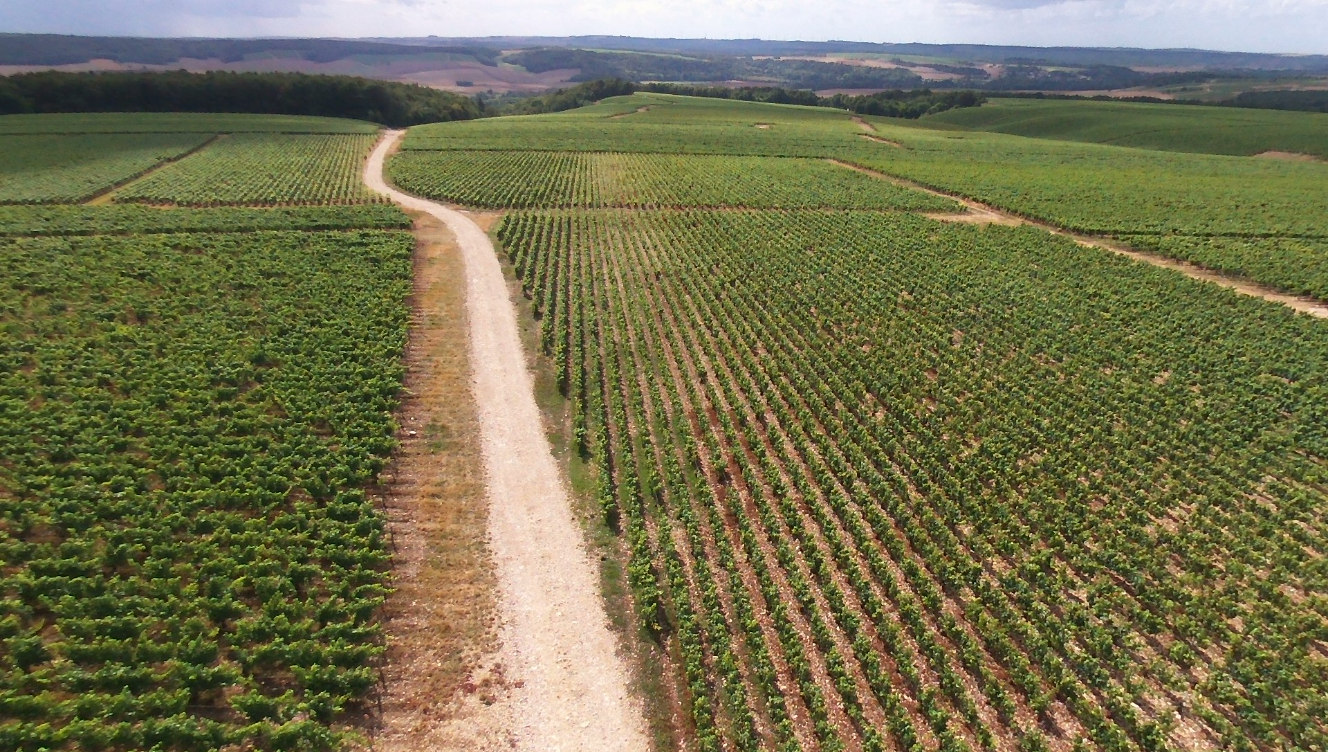
There are two important soils in the Chablis area: Kimmeridgian soils and Portlandian soils.

Kimmeridgian soils
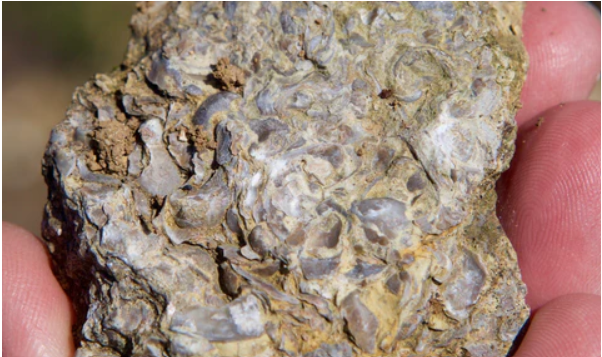
Kimmeridgian soil was formed in the Jurassic period. It is a stacked limestone and marl layer formed by layers of marine organisms deposited in ancient times. It is rich in marine fossils such as nautilus, oysters, and sea urchins. The rock is soft and easily broken. Cracked and well water-retaining, this calcareous soil rich in shell fossils gives Chablis wines a rich mineral flavor. In 1923, the French government began to emphasize the importance of the Kimmeridgian soil, and had legislated that only wine made from grapes from the Kimmeridgian soil could be called Chablis.
Portlandian soils
In addition to the Kimmeridgian soil in the Chablis production area, the more widely distributed Portlandian (Portlandian) limestone soil is also an important soil in the production area. Geological experts have concluded that the differences between the two soils are actually quite large. Tiny, France has also legislated that only wines made from grapes in Portlandian soil can only be called Petit Chablis.
Regulations on these two types of soil have sparked ongoing local disputes. Conservative wineries believe that Kimmeridgian is the guarantee of quality; opposition wineries believe that Portlandian, which has a wider distribution, should also be counted, which can ease the pressure on land use and better enhance the reputation of Chablis around the world.
【Region wine grade】
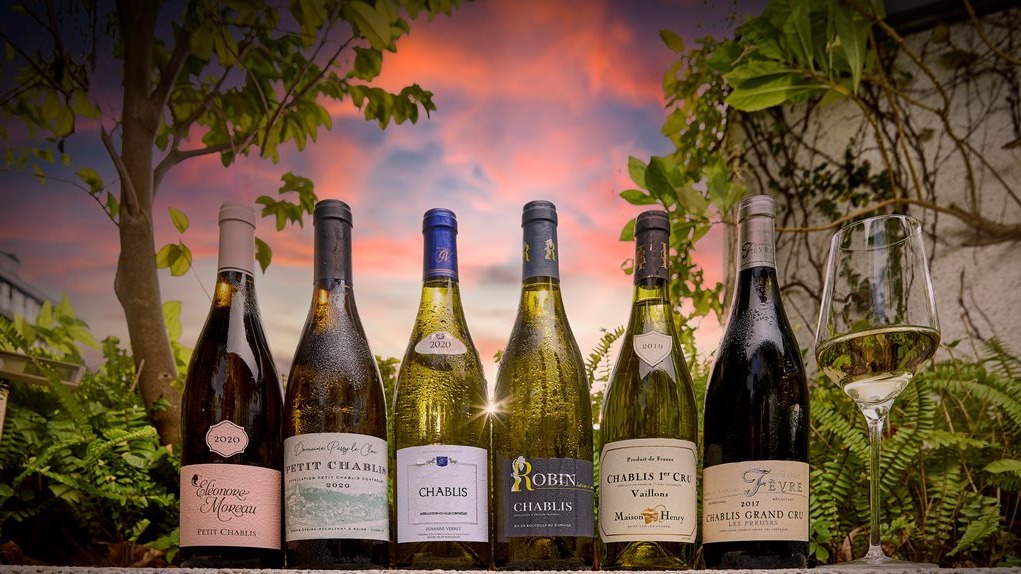
Burgundy is a wine-producing region where "the land is king". Local producers have a unique understanding of the land. They have established a strict wine classification system based on the terroir and the vineyard. Chablis is no exception. In 1938, the Institut National des Appellations d'Origine designated Chablis as an independent AOC legal production area. In the same year, the corresponding classification system was established in the production area. There are 4 grades, from low to high, they are Petit Chablis, Chablis, Chablis Premier Cru and Chablis Grand Cru.
1. Petit Chablis
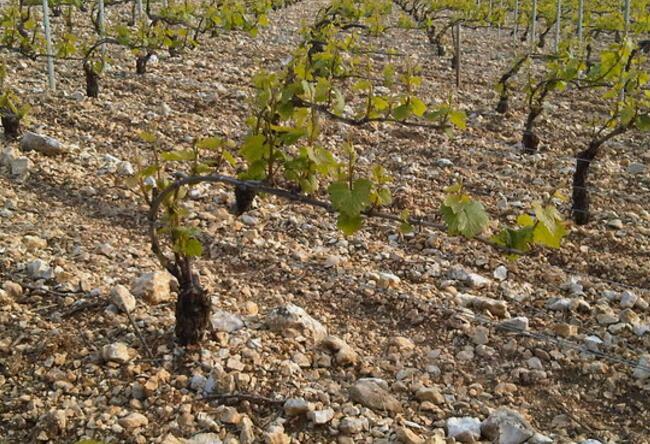
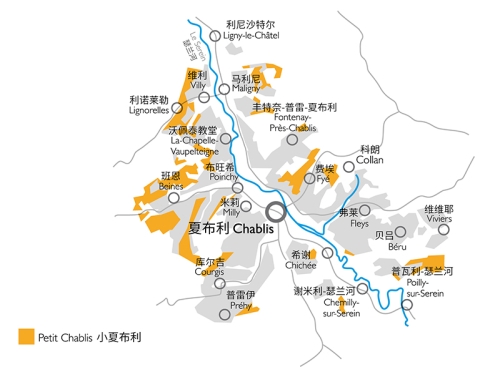
Petit Chablis was founded in 1944, later than the other three grades established in 1938. The vineyards of this level are distributed in the outer area a little far from the Selan River, on higher hillsides, at an altitude of about 230-280 meters. The soil here comes from the Tithonian (Tithonian), which belongs to the stratigraphic age of the Late Jurassic and slightly later than the Kimmerian. It is mainly composed of hard brown limestone, mixed with silt and sand.
The output of Petit Chablis wine accounts for about 18% of the total wine production in the Chablis producing area, which belongs to the local entry-level wine. These wines are clear, light yellow, sometimes greenish in color, and their aromas are dominated by white flowers such as hawthorn and acacia, as well as citrus fruits such as lemon and grapefruit. Light and crisp on the palate, this wine is very lively, with fresh acidity balanced by a rounded mouthfeel, with occasional hints of savory character from the soil. Generally speaking, the flavor of Petit Chablis is relatively simple, with few changes, and it is suitable for drinking in a young state. It usually enters the drinking period two years after the grapes are harvested.
2. Chablis
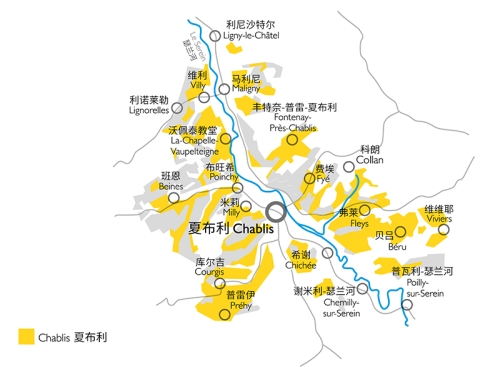
This level of wine can be produced in several towns in the Chablis region, with a vast distribution of vineyards, with a total area of up to 3,630 hectares, and wine production accounts for about 66% of the total wine production in the entire region. The term "Chablis" is often misused internationally, but true Chablis wine can only be produced in the Chablis appellation in Burgundy, France.
Unlike Petit Chablis, the aroma of Chablis wine is full of refreshing minerality, and it is a highly recognizable wine. In addition, fresh and bright aromas such as mint, green apple, liquorice and freshly cut straw are also displayed. Chablis wines last a long time in the mouth, turn golden in color with age, and develop spice notes.
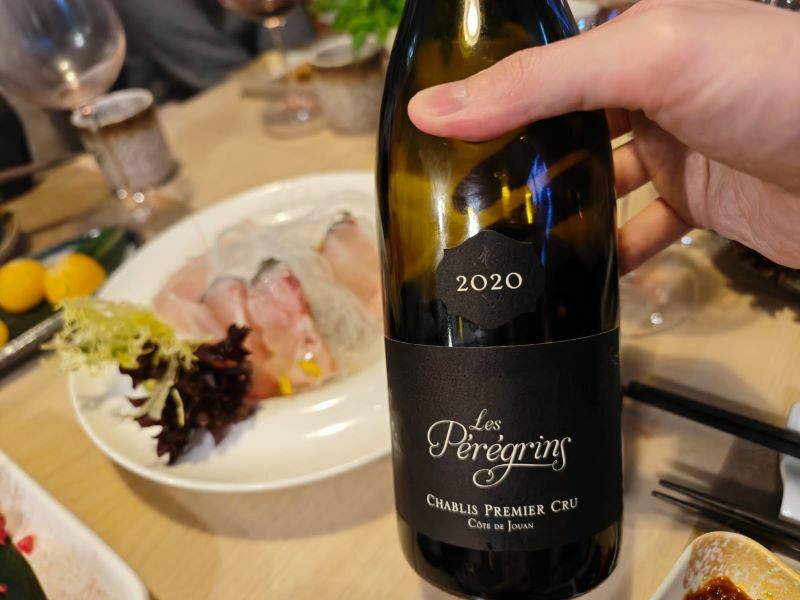
3. Chablis Premier Cru
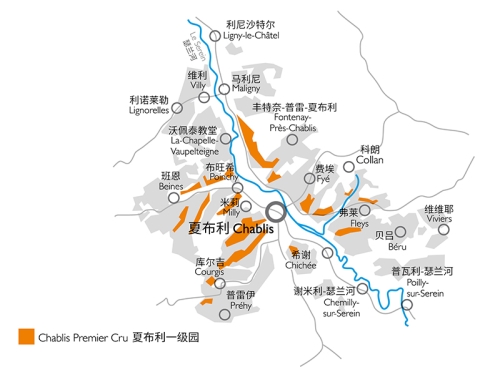
There are 40 first-class vineyards in Chablis, which are located on the hillside along the Serin River and its tributaries. The wine production accounts for 15% of the total output of the production area. These premier vineyards usually have slight differences in soil, orientation and microclimate, so the wines produced also show a variety of styles.
Although Chablis Premier Cru wines are imprinted with the characteristics of each garden, these wines also have some things in common. For example, compared with Petit Chablis and Chablis, the wines of Premier Cru will not emit unrestrained aroma immediately after opening the bottle, but need a brief contact with the air to release the aroma slowly and long. When young, these wines generally exhibit mineral or floral aromas, which develop more refined, subtle and complex aromas with age. With a persistent flavor lingering in the mouth and excellent structure, these wines have excellent aging potential for 5-10 years.
4. Chablis Grand Cru
The grand crus is the highest level of Chablis wine, with a vineyard area of about 101 hectares, and wine production only accounts for 1% of the total production. There is only one Chablis Grand Cru, which is subdivided into 7 plots, namely Blanchot, Bougros, Les Clos, Grenouilles, Preuses ), Valmur and Vaudesir. Most of these plots are located on south-facing slopes with an altitude of 100-250 meters. Not only can they avoid the strong westerly wind, but they are also not easily affected by frost. With superior light and drainage conditions, the grapes can reach ideal maturity.
Chablis grand cru wine is crystal clear, golden-green in color, and turns pale yellow after aging. Mineral flavors of flint are very strong in the nose, wild mushroom is one of its typical aromas, and honey and nuts are also intertwined. This type of wine has both refreshing vitality and full-bodied taste, and fully interprets the distinctive personality of the Grand Cru. In addition, as the top wines of Chablis, most of them can be aged for 10-15 years, or even longer.