In the Champagne region of France, a land steeped in centuries of winemaking tradition, Nicolas Feuillatte has risen rapidly in just a few decades to become the number one selling Champagne brand in France and the third best-selling globally (IWSR 2024 data), thanks to its unique cooperative model and modern concepts. This young and dynamic winery has not only changed people's perception of cooperative Champagne but has also secured a significant position in the global Champagne market with its exceptional quality and innovative spirit.
The story of Nicolas Feuillatte begins with a legendary figure—Nicolas Feuillatte (1926-2014). Born into a family of wine and spirits merchants in Paris, he gained extensive business experience and a network of contacts in the coffee trade in the United States during his youth. After his father's unexpected death in 1972, Nicolas returned to the Champagne region of France and inherited 12 hectares of vineyards in Bouleuse, near Reims.
A champagne enthusiast, Nicolas decided to dedicate himself to champagne production and officially founded his eponymous champagne brand in 1976. In 1978, he launched his first champagne, "Réserve Particulière" (Special Reserve), a wine that showcased Nicolas's generosity and entrepreneurial spirit, quickly becoming a sensation among his friends worldwide. Leveraging his connections in American high society, Réserve Feuillatte soon became one of the preferred champagnes for gatherings of American celebrities, including the Kennedy family.
In 1986, Nicolas Feuillatte made a pivotal decision—selling the brand to the Centre Vinicole de Chouilly, a union of 82 cooperatives representing the collective power of over 5,000 growers. This partnership marked Réserve Feuillatte's transformation from a personal brand to a collective brand, laying a solid foundation for its future rapid development.
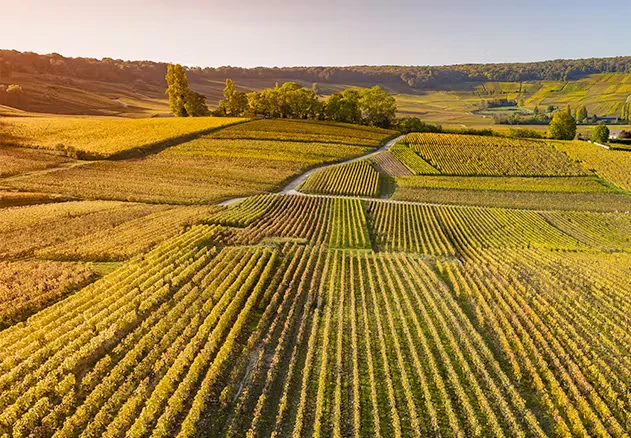
The most distinctive feature of Vinicole is its unique cooperative model, extremely rare in the Champagne region and even the global wine industry. Today, Vinicole is operated by the Centre Vinicole – Champagne Nicolas Feuillatte (CV-CNF), a powerful collective of over 5,000 independent growers who collectively manage 2,100 hectares of vineyards across the five major appellations of the Champagne region: Vallée de la Marne, Montagne de Reims, Côte des Blancs, Côte des Bar, and Côte de Sézanne.
The advantage of this collaborative model lies in its ability to pool the finest terroir resources of the Champagne region: Riccardi's grapes come from 11 Grand Cru vineyards and 26 Premier Cru vineyards, representing 65% of the total Grand Cru vineyards and 62% of the total Premier Cru vineyards in Champagne. Each grower meticulously tends their small vineyard, passing down generations of family experience, while the alliance provides technical support, modern equipment, and standardized quality management.
"Our destiny is cultivated together" is one of Riccardi's core principles. This collective commitment and spirit of unity, coupled with a willingness to innovate and a bold approach, fuels the brand's continued growth.
Rigofija's vineyards are distributed across the most representative appellations of the Champagne region, each contributing unique flavor characteristics to the final Champagne:
Côte des Blancs: Renowned for its Chardonnay, it imparts elegant acidity, fresh citrus aromas, and minerality to Champagne, and is the primary source for Rigofija Blanc de Blancs Champagne.
Montagne de Reims: Primarily planted with Pinot Noir, it provides structure, red fruit aromas, and complex layers to Champagne.
Vallée de la Marne: Dominated by Pinot Meunier, it adds roundness, fruitiness, and lively aromas.
Côte des Bar: Located in the southern part of the Champagne region, it features outstanding Pinot Noir with distinctive red berry and spice flavors.
Côte des Cézanne Sézanne: Both Chardonnay and Pinot Noir are planted, giving the Champagne a balanced acidity and freshness.
All vineyards are cultivated sustainably, emphasizing soil conservation and biodiversity. Mechanical soil management, regular soil analysis, and technical training are essential components of daily management. Sézanne also actively promotes organic farming, and some of its wines have received organic certification. Grown alongside Pinot Noir, it imparts a balanced acidity and freshness to Champagne.
Separate Fermentation and Blending Art
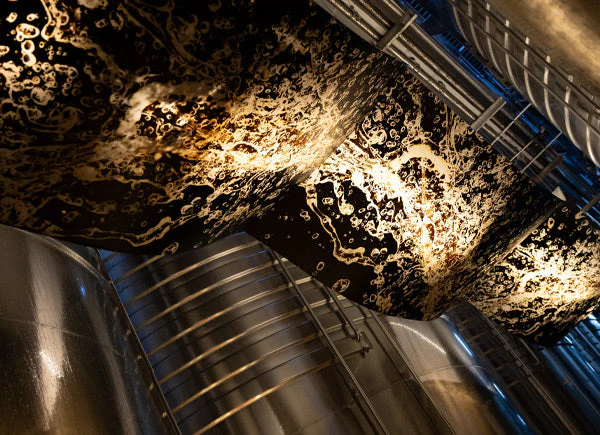
Grapes from different plots, varieties, and levels are fermented separately using both stainless steel tanks and oak barrels. Stainless steel tanks preserve the grapes' fresh fruit aromas, while oak barrel fermentation adds subtle vanilla and toasty notes to the Champagne. Master winemaker Guillaume Roffiaen and his team meticulously blend base wines from multiple vintages to ensure stylistic consistency across non-vintage Champagnes
Extra-Long Bottle Aging: 4-6 Years of Deep Development
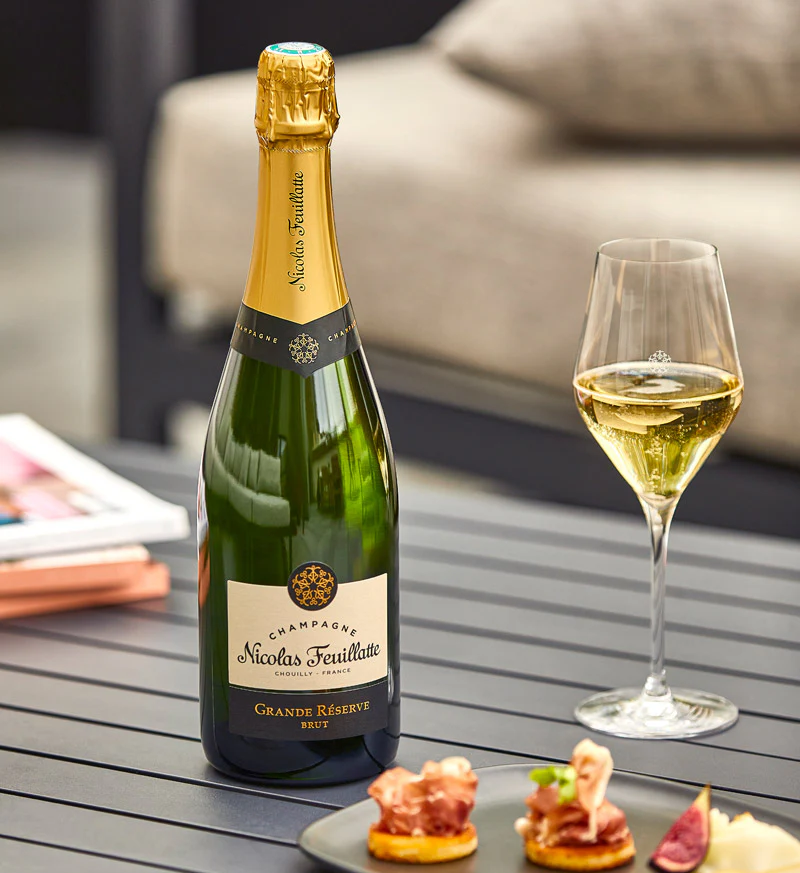
Compared to standard non-vintage Champagnes (the legal minimum aging period is 15 months), Grande Reserve Brut NV is aged for 4-6 years in the crypt of Rijksmâché, far exceeding the legal requirement. This extended aging imparts greater complexity, finer bubbles, and a rounder palate, allowing the wine to fully absorb aromas of biscuits, bread, and nuts from the lees.
Secondary Fermentation in the Bottle and Topping Up
Following the traditional Champagne method, sugar and yeast are added to the bottle for secondary fermentation, producing fine bubbles. The racking process combines modern automated equipment with traditional manual methods to collect the lees at the bottle neck. After desilting, a suitable amount of topping-off liquid is added to achieve the final sweetness standard for Brut (less than 12 grams of residual sugar per liter).