【Noble in dessert wine - Sauternes Noble Rot】
【An extremely rare wine that pays attention to the right time, place, people and people】
【One of the most aged wines】
WF467 - Chateau Quincarnon 2016
Mid-Autumn Festival Special: $115 per bottle
Region/Grade: France/Bordeaux/Sauternes
Grape Varieties: Semillon, Sauvignon Blanc, Muscadelle
Alcohol content: 13.5%
Features: Hand-picked, naturally air-dried grapes, brewed with noble rot
Taste: The nose is full of chrysanthemum honey, jasmine, fragrant pear and candied apricot aromas; the Sauvignon variety exudes lively citrus and tropical fruit aromas, and most importantly, it brings out high acidity to achieve a balanced effect; while the early-ripening Muscadelle variety exudes a slight Musk and light floral scents don't account for much. Overall, it is a layered, full-bodied wine with a rich flavor.

【Noble in dessert wine - Sauternes Noble Rot】
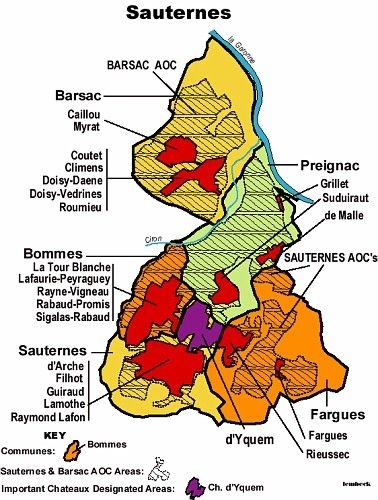
The Sauternes appellation is located in the south of the Graves appellation region, on the hilly ground on the left bank of the Gronne (Garonne River), with gravel soils, good drainage, warm summers and autumns, and excellent conditions for the production of noble rot bacteria. To say that Sauternes wine is a gift from God is not an exaggeration at all, because noble rot is very delicate and cannot be found and spread in any vineyard. Its production requires a unique microclimate – cold in the morning with plenty of water vapor, and in the afternoon Dry and hot. The humid climate in the morning is conducive to the growth and spread of noble rot bacteria, and the hot and dry weather after noon can inhibit its growth, so that the water in the grapes will evaporate and dehydrate from the infected area, and the sweetness of the grapes will be improved. Sauternes, on the other hand, is made for noble rot.
【Inadvertently inserting willows creates great wine】
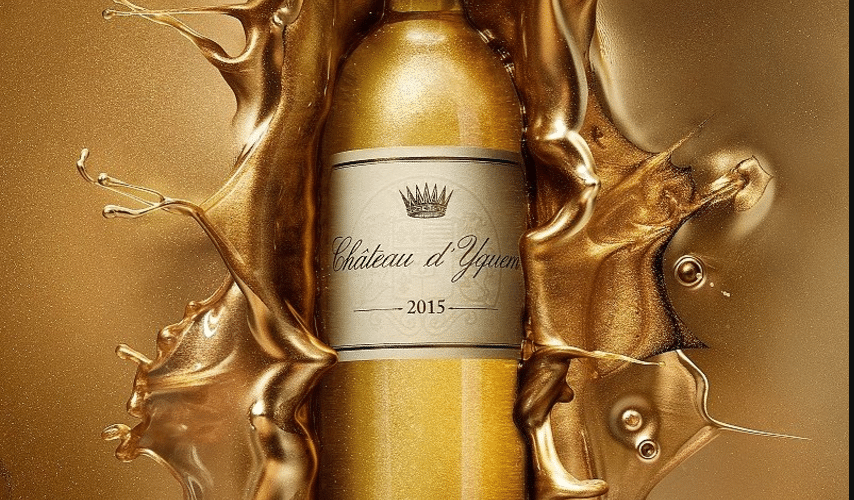
When it comes to the Sauternes region, of course we have to mention Chateau d’Yquem. In the grading of 1855, it was the only one ranked super, standing out from the crowd. Here's another interesting story about the winery. In 1847, Count Saluces, the lord of Dijinzhuang, visited Russia. Before leaving, he explained that grapes could not be harvested until he returned. As a result, the return date was delayed for some reason. When he returned to the castle, the grapes were already Contaminated with a layer of mold. Even so, he felt that it was too wasteful to discard them, so he used those grapes to make wine, and after bottling the wine, he put it in the cellar for storage. About 10 years later, the younger brother of the Russian tsar came here to visit and stumbled upon the wine's extraordinary style. It is said that Dijinzhuang started to brew noble rot wine because of such an opportunity.
【An extremely rare wine that pays attention to the right time, place, people and people】
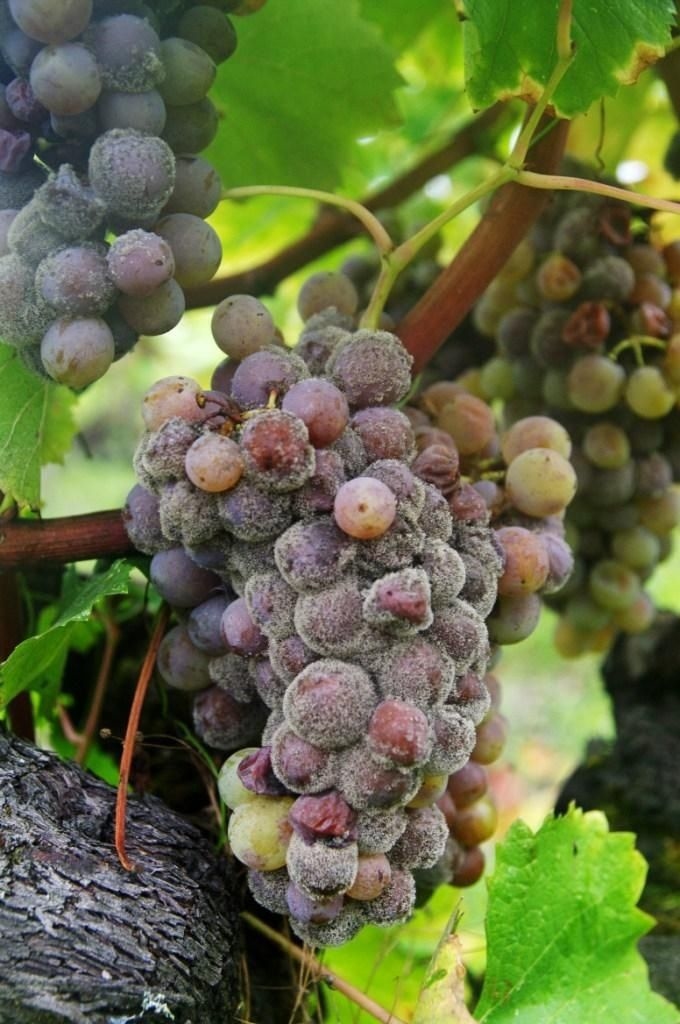
The basis of Sauternes is actually based on a type of fungus known as "noble rot". The formation of noble rot fungi requires very unique conditions. September to November is the harvest season, and humidity affects the grapes from night to dawn the next day, forming a layer of noble rot on the surface of the grapes. And after the hot and dry noon, the noble rot mold is inhibited from deteriorating into the harmful botrytis mold. Noble rot will absorb the water of grapes, so that the sugar, acidity and aroma of grapes are concentrated. Noble rot grapes must be picked by hand and by skilled craftsmen. They specially select fruits that are completely covered with noble rot fungi, and even turn into raisins, and pick them one by one. Just imagine how many grapes are about to dry out to make a 750ml Sauternes noble rot wine, so it is definitely appropriate to call it the noble of sweet wine.