【100% Sangiovese grapes】
【Wine Advocate 95 pts】
【Vivino 4.1】
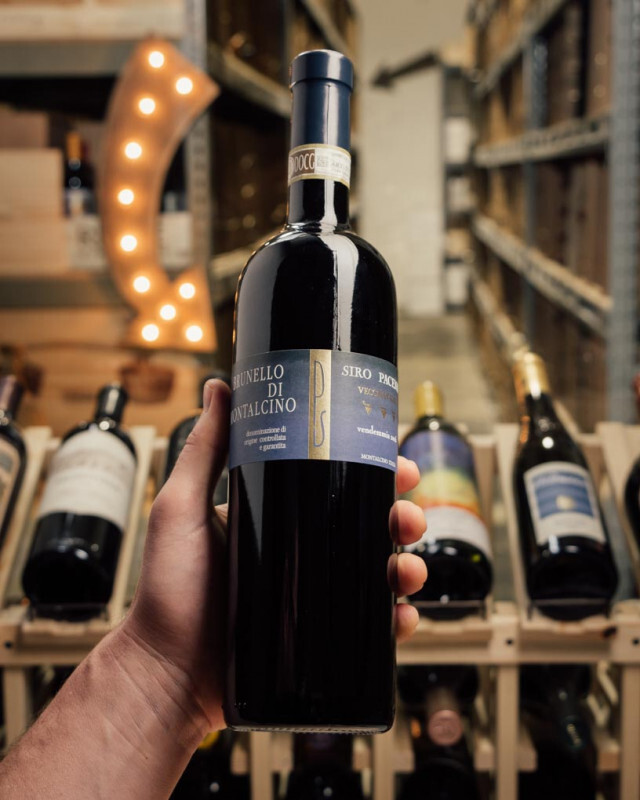
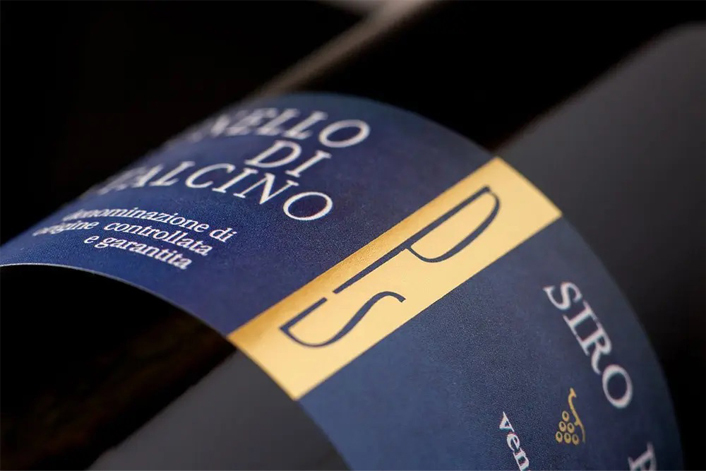
ZTI1002B Siro Pacenti PS Vecchie Vigne Brunello di Montalcino 2013
Special price $660/bottle
Appellation: Italy / Tuscany/Brunello di Montalcino DOCG
Varieties: 100% Sangiovese
Ageing: 35 years
Characteristic ageing: 24 months in French oak barrels + 24 months bottle ageing
Alcohol content: 14.5 per cent
【Wine Advocate 95】
howing more oak definition, texture and overall fruity richness, the 2013 Brunello di Montalcino Vecchie Vigne benefits from the concentration and complexity you get with old vines. The wine wraps thickly over the palate, imparting luscious aromas of dried cherry, exotic spice, pressed rose and scorched earth along the way. This is a wine for the cellar. The bouquet has a lot to give, but this will require some extra time. All the elements are there for an excellent aging future.
【James Suckling 95】
The nose is decadent but not overdone with plum liqueur, Christmas cake, cedar, Chinese spices, licorice, tea leaves, tar and hot stones. Full and very dense with mouth-coating tannins but also attractive fresh fruit, pretty acidity and a long finish. Rather chewy and needs time, but a beautiful follow-up to the 2012.

Brunello di Montalcino Considered one of the finest regions in Italy. Brunello di Montalcino DOCG is located in south-central Tuscany, below Chianti, and is made from Sangiovese clones called ‘brunello’, meaning ‘little black’, referring to the brown tones in the skins. It is called ‘brunello’, which means ‘little black’ and refers to the brown colouring of the skins. Unlike some Tuscany appellations that allow other grapes to be blended with Sangiovese, Brunello di Montalcino is exclusively Sangiovese, and Montalcino itself, a picturesque hilltop town, wasn't renowned for its wine production until the mid-1800s, when one of the local vineyard owners split off and planted the Brunello clone. Brunello clone and planted it. Other growers followed suit. It wasn't until the 1970s, however, that wine lovers began to pay attention to Brunello di Montalcino, and by then it had become an outstanding wine. Today, the DOCG has 120 estates, up from about 25 in 1975, and Brunello is generally richer, darker, with stronger, more powerful tannins than Chianti or most other Sangiovese wines. By law, they must be aged for four years, two of which must be in wooden barrels.
Located in the Montalcino region of Tuscany, Siro Pacenti has been a producer of the famous Brunello di Montalcino DOCG Guaranteed Appellation for over forty years. In 1970, Mr Siro Pacenti purchased property in the Pelagrilli area, north of Montalcino, where he opened a vineyard. In 1988, Siro Pacenti's son, Giancarlo Pacenti, took over the family winery and began making wine. The grapes harvested that same year produced the first Rosso and Brunello di Montalcino wines from Siro Pacenti. At the beginning of the 90's, Siro Pacenti slowly developed and consolidated 5 hectares of vineyards in the Piancornello region, south of Montalcino, where the soil is rich in minerals. Giancarlo Pacenti's grandmother planted grapes here at the end of the 60s. The grapes from this vineyard have played a crucial role in shaping the character of Siro Pacenti's wines. It is from this vineyard that the new Sangiovese cuttings are now planted in the other plots of the estate. In the 1990s, the winery also initiated a collaboration with the University of Bordeaux, which led to the first studies and experiments on the ripening of phenolic compounds in Sangiovese grapes.
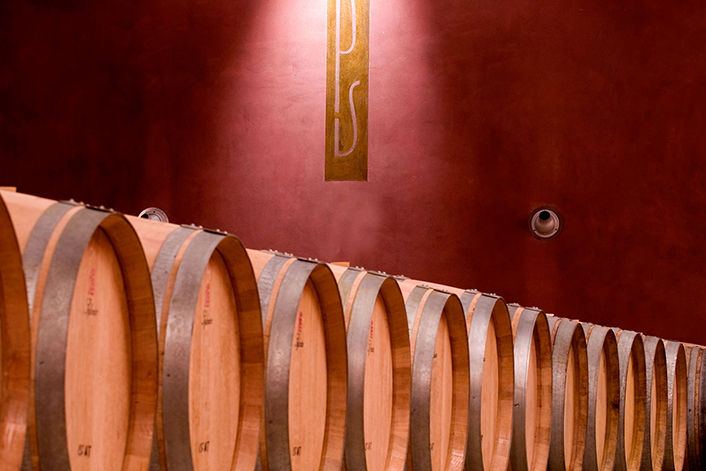
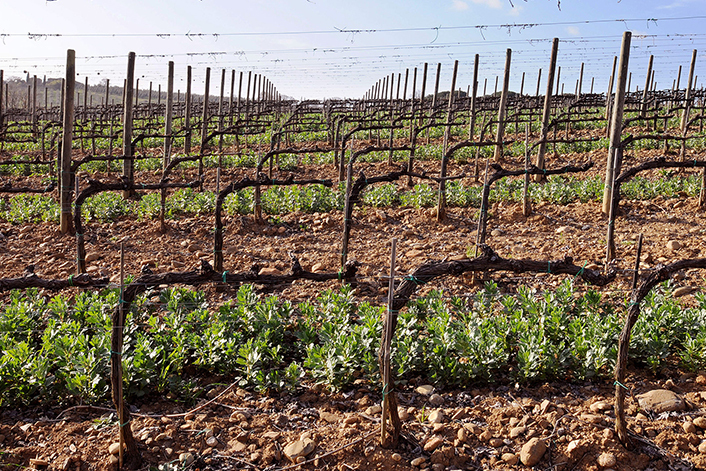
Between 2001 and 2004, the Siro Pacenti winery built a new cellar, combining know-how and experience on grapes and vineyards. The winery has a total of 22 hectares of vineyards planted exclusively with Sangiovese, and is located in the Pelagrilli region, where the soil is clay and sandy. At an altitude of 350 metres, the vineyards enjoy the winds from the land, and the wines from these vineyards are elegant and fragrant, with a distinctive character. The vineyards of the Piancornello region, on the other hand, have mineral-rich soils with pebbles and rounded stones. The climate is warmer and the wines are more structured and powerful, with sweet, round tannins, typical of Sangiovese wines.