【2016 Vintage】
【1855 Premier Cru Classe】
【Vivino 4.0】
【James Suckling 90pts】
【Andreas Larsson 90pts】
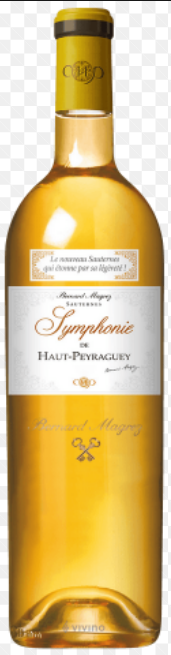
F956 - Symphonie de Haut Peyraguey 2016
Price: $195/bottle
Production area: France/ Sauternes
Grape varieties: 97% Semillon, 3% Saugvinon Blanc
Tasting Notes: Aromas of cedar wood andspice, with strong rose and passion fruit aromas, exudes a lovely and strongaromatic appeal. The taste is quite concentrated and supple after drinking.
【James Suckling 90pts】
Here’s a ripe, rich and creamy Sauternes that’s already very good to drink right now. Everything fits together very neatly. A slightly drier style with freshness. Drink or hold.

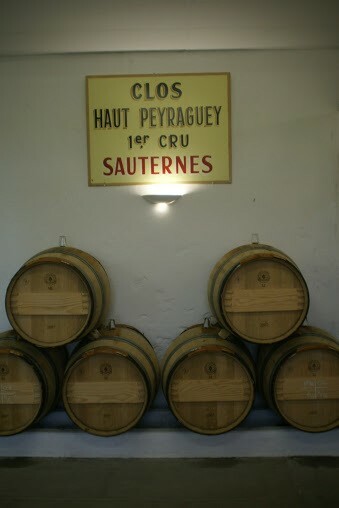
Clos Haut-Peyraguey is located in theGraves region of Bordeaux, France
In 1855, it was rated as a Premier Cru inthe official classification of Sauternes and Barsac.
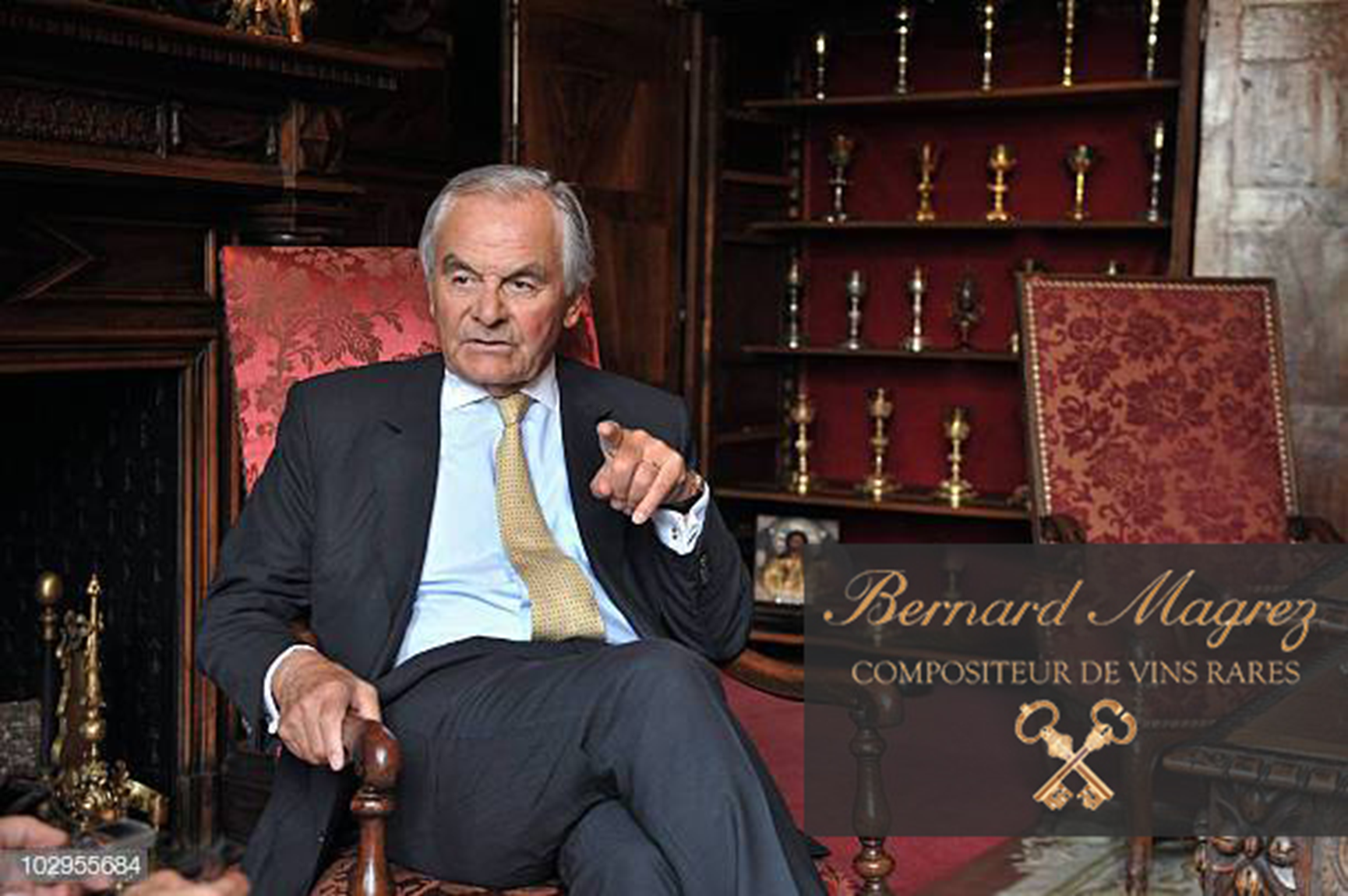
Owner : Bernard Magrez
Clos Haut-Peyraguey and ChateauLafaurie-Peyraguey were the same winery in the early years. It was not until1742 that Baron Nicolas-Pierre de Pichard, who owned Lafite-Rothschild andCoutet, purchased the estate. Under his leadership, the winery's viticulture ismore rational and orderly. However, after the outbreak of the FrenchRevolution, the baron not only lost his title, land and other property, but wasalso sent to the guillotine in 1794. Later, Lafaurie bought the exclusiverights and began to produce wine under the name of "ChâteauPichard-Faurie". Later, he changed the name of the winery to ClosHaut-Peyraguey. In less than half a century, it became the top wine of theSauternes region and won the favor of King Alphonso XII of Spain. After Lavery'sdeath, the winery has changed hands several times. In 2012, wine giant BernardMagrez acquired the Opera winery and became the current owner. Bernard Magrezis the owner of four Grand Crus in the Bordeaux appellation.
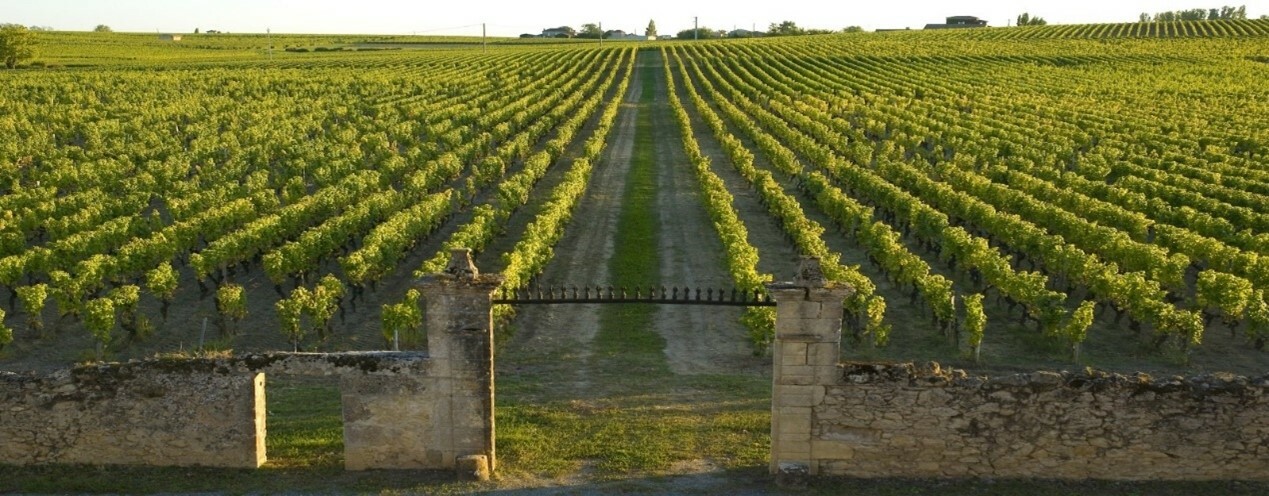
The vineyards are located on the highestpoint of the Plateau of Bommes, opposite Chateau d'Yquem, adjacent to Chateaude Rayne Vigneau and Sgra Chateau Sigalas-Rabaud and many other First Growths.The vineyard area is 12 hectares, of which 8 hectares are located near theCiron River. The soil of the vineyard is composed of gravel sandy soil with aclay bottom layer, ideal for Semillon and Sauvignon Blanc, the average age ofthese vines is 35-40 years. Most of the vineyard is oriented to the northeast,enjoying sufficient sunshine and morning fog, which is conducive to the perfectripening of the grapes and the growth of the botrytis (Botrytis Cinerea), whichcan give the Opera Noble Rot sweet white unique style and flavor. In addition,the winery will limit the number of vines planted in order to better controlthe quality of the grapes and manage the picking of the grapes.
In terms of management methods, the wineryimplements sustainable planting to ensure a green and pollution-free vineyardenvironment, thereby improving the quality of the winery. During the harvestperiod, the winemaking team walks back and forth in the orchard several timesand hand-picks the fruit that has been perfectly infected with noble rotfungus. The harvested grapes are then pressed gently and slowly in a bladderpress to better extract the flavors contained in the grapes. It is worthmentioning that the winery adopts the Gravity Flow method, which allows thegrape juice to flow naturally from the container of the previous winemakingstage to the container of the next stage. This method can maximize thepreservation of the natural flavor of the wine. . The pressed grape juice isfirst filtered by racking to remove most of the skin residue, and then placedin a temperature-controlled fermentation tank at 22 degrees for batchfermentation for 15-20 days. After fermentation, each batch of wine isseparately aged for about 20 months in oak barrels with a proportion of 20% newbarrels. During the aging period, the staff will regularly taste each batch ofwine to monitor the quality of the wine. Finally, the winery will bottle thewine in strict accordance with quality standards, and the bottling time isgenerally 22 months after the grapes are harvested. In addition, Opera Wineryalso hired the famous "flying winemaker" Michel Rolland as thewinery's winemaking consultant.


 In terms of management methods, the wineryimplements sustainable planting to ensure a green and pollution-free vineyardenvironment, thereby improving the quality of the winery. During the harvestperiod, the winemaking team walks back and forth in the orchard several timesand hand-picks the fruit that has been perfectly infected with noble rotfungus. The harvested grapes are then pressed gently and slowly in a bladderpress to better extract the flavors contained in the grapes. It is worthmentioning that the winery adopts the Gravity Flow method, which allows thegrape juice to flow naturally from the container of the previous winemakingstage to the container of the next stage. This method can maximize thepreservation of the natural flavor of the wine. . The pressed grape juice isfirst filtered by racking to remove most of the skin residue, and then placedin a temperature-controlled fermentation tank at 22 degrees for batchfermentation for 15-20 days. After fermentation, each batch of wine isseparately aged for about 20 months in oak barrels with a proportion of 20% newbarrels. During the aging period, the staff will regularly taste each batch ofwine to monitor the quality of the wine. Finally, the winery will bottle thewine in strict accordance with quality standards, and the bottling time isgenerally 22 months after the grapes are harvested. In addition, Opera Wineryalso hired the famous "flying winemaker" Michel Rolland as thewinery's winemaking consultant.


