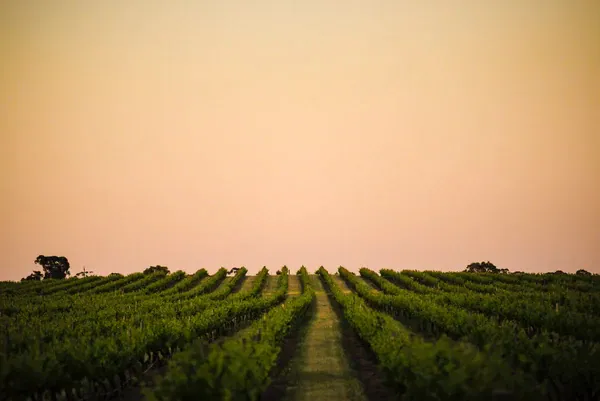
Torbreck Vintners is located in the Barossa Valley region of South Australia. The Barossa Valley is world-renowned for its Shiraz. The magnificent terroir and lofty winemaking philosophy of the region have led to the abundance of prestigious wineries in the Barossa Valley today, including Penfolds, Jacob's Creek, and Grant Burge. Their Shiraz wines have consistently ranked among the best in Australia, each with its own distinct characteristics. In this environment, although Torbreck Vintners was established in 1994, it has produced wines that have impressed the world in just a few years.
In late 2004, Robert Parker rated three Torbreck Vintners wines 99/99+, while six other wines received scores of 90 points or higher—an unprecedented achievement that further validated Torbreck Vintners' quality.
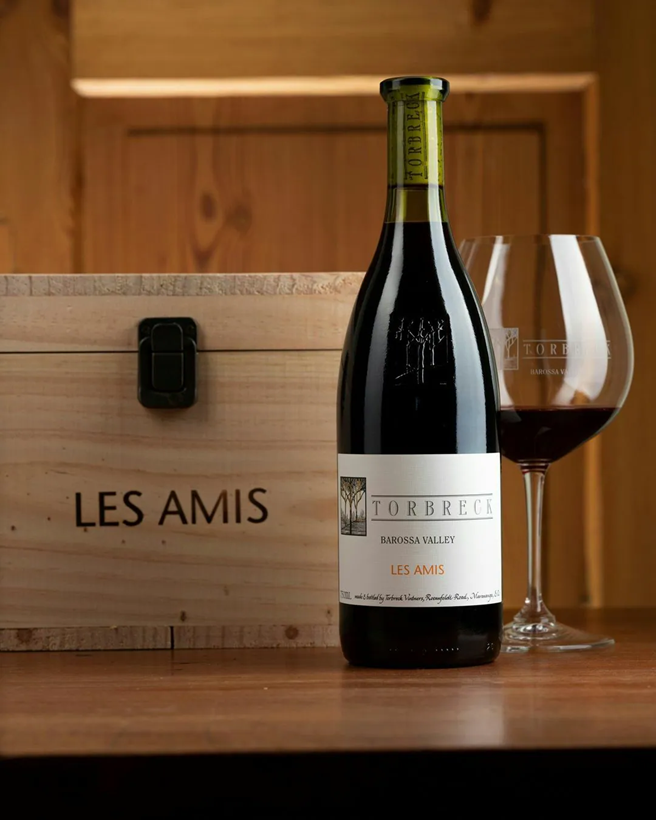
In David Socolin's book *Investing in Wine*, four of the 38 red wines featured in Australia's *Investment Grade Wines* (IGW) category were from Torbreck Vintners: The Factor, Descendant, Les Amis, and RunRig. RunRig, in particular, has become a world-renowned wine and a representative of modern Australian classic wines. Furthermore, the manga "Drops of God" also featured Tobeck's entry-level wine, Woodcutter's Shiraz, further enhancing Tobeck's reputation among wine enthusiasts. Given Woodcutter's Shiraz's exceptional value, it has become a true ambassador for Tobeck.

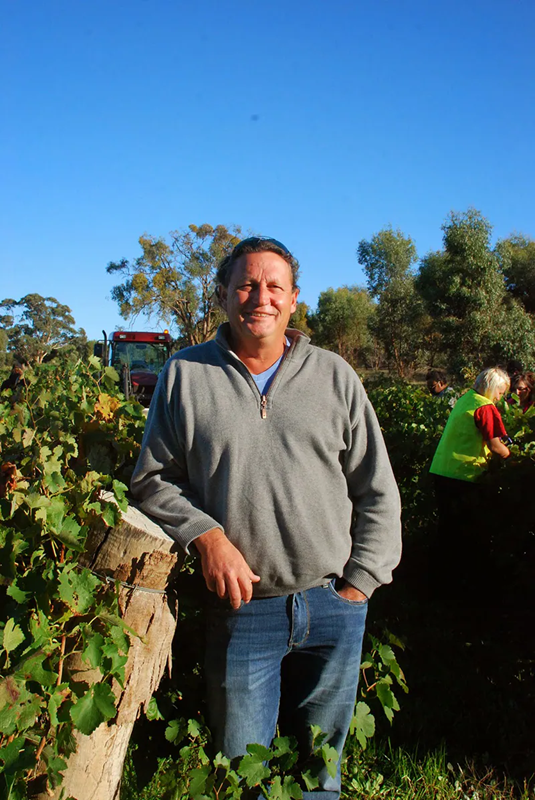
Torbreck Vintners was founded in 1994 by David Powell. Born and raised in Adelaide, the capital of South Australia, Powell studied economics in university. During his studies, he fell in love with wine through his uncle's guidance, embarking on a lifelong journey. To broaden his horizons and refine his winemaking skills, he began a 10-year study tour, traveling extensively to renowned wineries in Europe, Australia, and California. He also worked for extended periods at various prestigious wineries, gradually accumulating his winemaking philosophy. However, aside from earning a salary working in wineries in California and Australia, he received no pay working in European wineries such as those in France. To raise travel expenses, he by chance became a lumberjack in the Scottish forests. In commemoration of his considerable time as a lumberjack, he named the winery after the Torbreck forest where he worked.
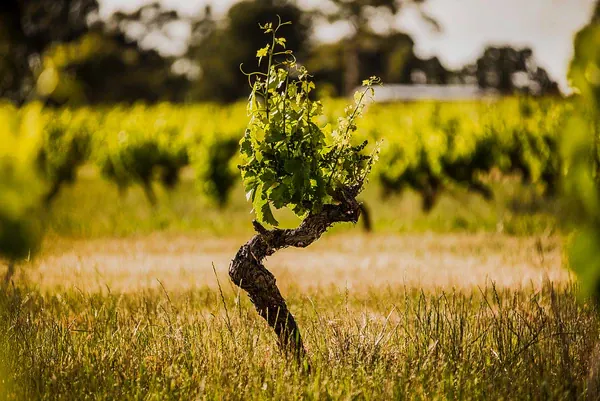
In 1992, David Powell discovered and cultivated some dried, aged vines. It was his involvement in viticulture and winemaking that enabled the region to develop a unique style that harmoniously blends traditional winemaking techniques with the characteristics of its distinctive soil. Torbreck Vintners takes a New World boutique wine approach, distinct from some mass-produced Australian wines. To create his ideal wine, he painstakingly raised the funds to purchase co-ownership of the vineyard from the owner on a profit-sharing basis. David Powell personally manages this small vineyard, using grapes from the finest old vines in the Barossa Valley to produce limited-edition, high-quality boutique wines with flavors comparable to the traditional and refined wines of the Northern Rhône region of France. Today, David Powell has become one of Australia's geniuses in producing red wines with the style of the French Rhône Valley. Later, due to a need for funds, David Powell sold some of his shares in the winery. However, due to disagreements between David Powell and the new shareholders, he left David Powell, which he had founded. The current owner is Pete Kight.
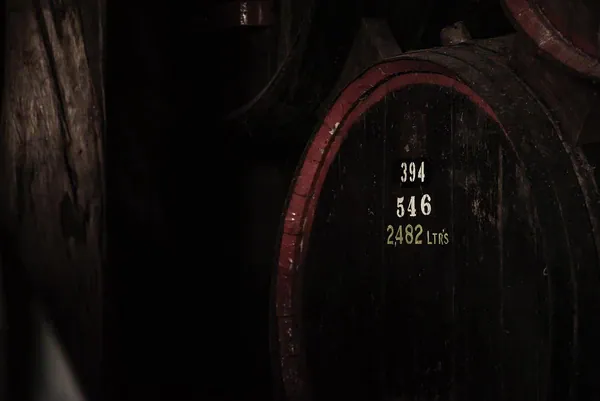
In winemaking, the winery adheres to the philosophy that quality wines are produced through aging in the vineyard before bottling. Therefore, the grapes used in their winemaking are mostly harvested from old vines selected from different sub-regions within the Barossa Valley. The winery determines the harvest time based on the grapes' ripeness, ensuring that the grapes achieve optimal tannins, acidity, and physiological maturity. After the grapes are harvested, the winery employs very traditional winemaking techniques. First, the grapes are gently destemmed, then slowly pumped into top-opening fermentation vessels, which are rotated twice daily for a forced and thorough decanting. After fermentation, all the grape skins are pressed in a basket, and malolactic fermentation takes place spontaneously in barrels using native microorganisms from each single vineyard. All wines from the winery are not clarified or filtered before bottling. Recent notable vintages include 2002, 2001, and 1998, with the 2002 recommended here being the highest-scoring The Factor vintage to date.