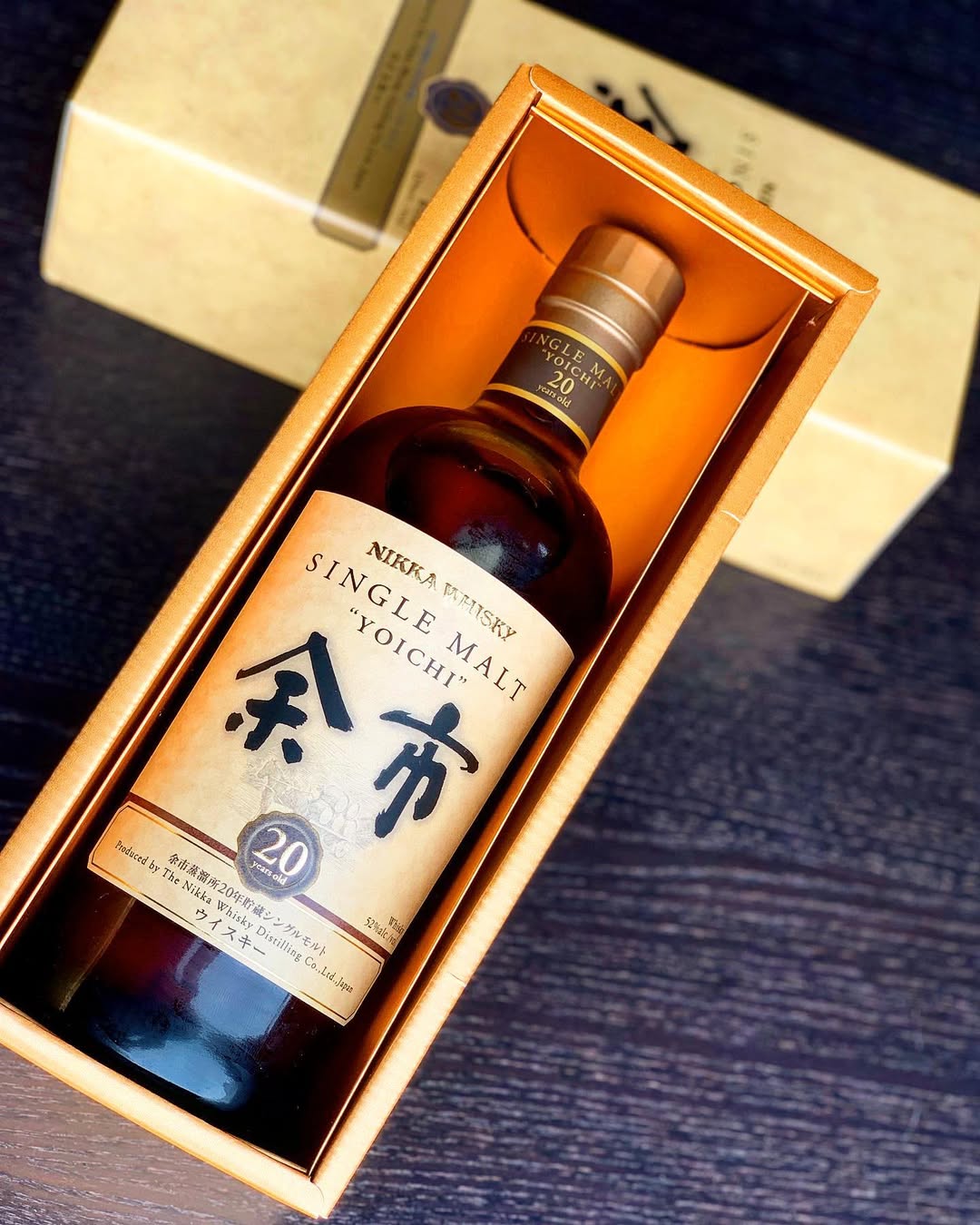
Origin/Grade: Yoichi, Japan
Alcohol Content: 52%
Volume: 700ml
Website introduction:https://www.nikka.com/

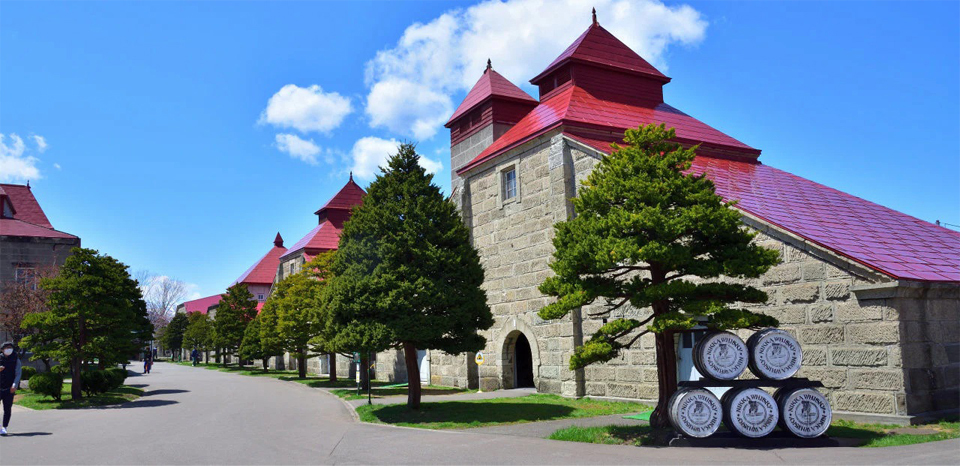
Yoichi, located in Yoichi, Hokkaido, Japan, is owned by Nikka Whisky Distilling, a renowned Japanese whisky producer. It is a historic Japanese whisky distillery, forming one of the two major camps in the Japanese whisky industry alongside Suntory.
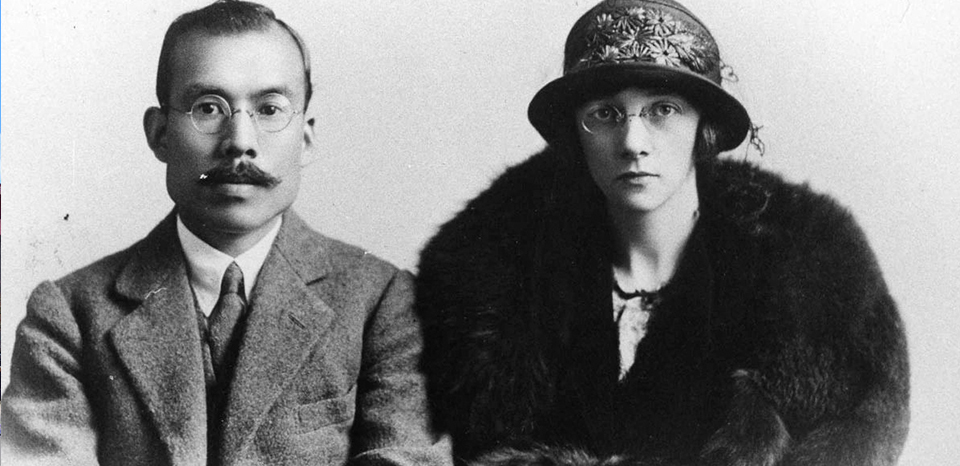
In 1918, at the age of 24, Masataka Taketsuru traveled alone to Scotland to study the secrets of Scotch whisky making, becoming the first Japanese person to learn whisky distillation techniques in Scotland. He studied chemistry at Glasgow University and apprenticed at three Scottish distilleries. As a foreigner from Asia, Taketsuru faced numerous setbacks in his studies. Until he met the general manager of Longmorn Distillery, who admired Taketsuru's dedication and generously shared his knowledge of whisky making. Longmorn Distillery, though small, is a historic distillery that consistently produces high-quality whisky. Later, Taketsuru married Rita, and the couple moved to Campbeltown, where he joined the Hazelburn Distillery in whisky production.
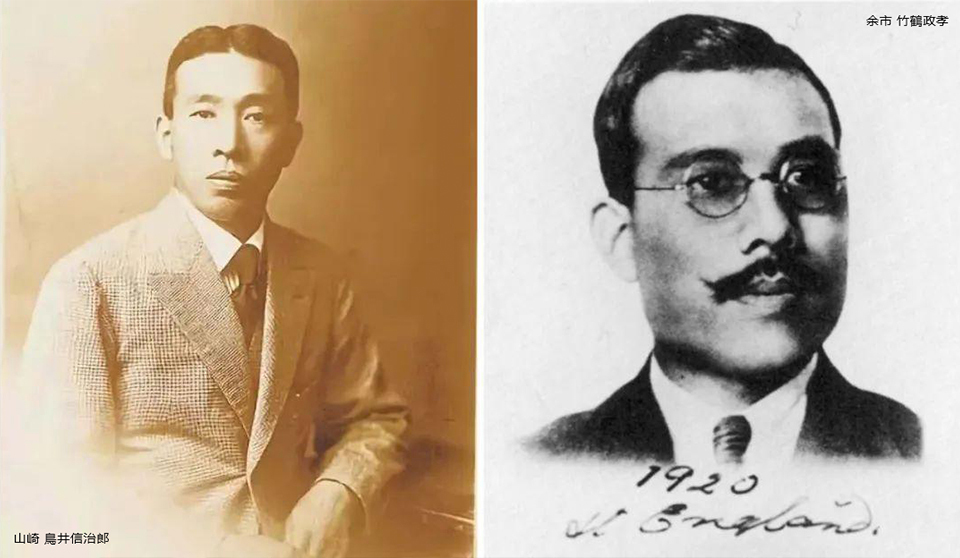
In 1920, with his wife's support, Taketsuru learned the basics of whisky at Longmorn and mastered comprehensive techniques at Hazelburn, bringing them back to Japan. He became the first Japanese to master the methods of Scotch whisky making, earning him the title of "Father of Japanese Whisky." However, Taketsuru's return to Japan was met with setbacks. Japan, having just emerged from World War I, was experiencing a difficult post-war period, with many large distilleries closing down, let alone establishing new ones. At this challenging time, Kotobukiya, the predecessor of Suntory, was searching for someone to brew whisky. As one of the most knowledgeable Japanese about Scotch whisky at the time, Taketsuru was hired by Kotobukiya at a high salary to work at the renowned Yamazaki Distillery, where he produced Japan's first authentic whisky. Later, due to differences in philosophy and other reasons, the two parted ways. In 1934, Taketsuru decided to leave his old employer and was determined to build his own distillery. He established the first distillery in Yoichi, Japan—the Yoichi Distillery. To this day, these two distilleries remain two pillars of the Japanese whisky industry.
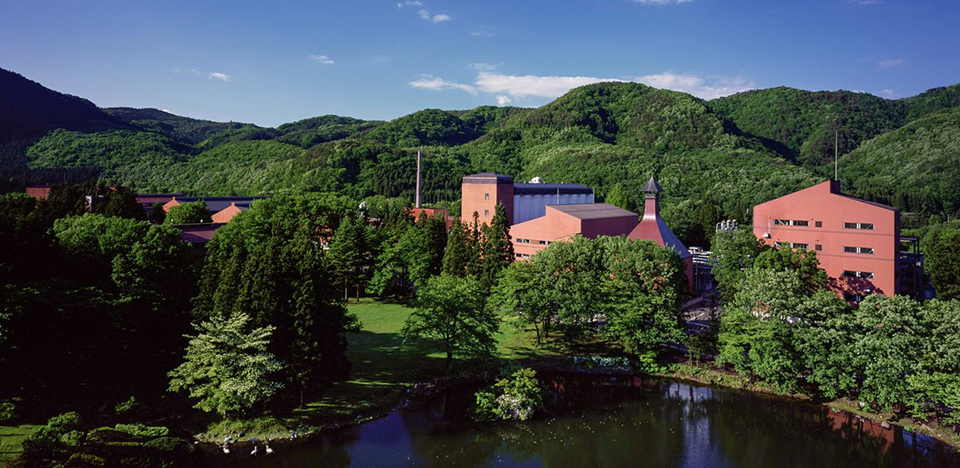
It is said that Masataka Taketsuru chose the location of the Yoichi Distillery based on the location of the Hazelburn Distillery, as he believed that the climate and natural features of northern Japan were remarkably similar to those of Scotland. Finally, he found a perfect spot in Yoichi, located at 43.2° North latitude. This place, close to the sea and surrounded by mountains on three sides, is similar in many ways to the Scottish Highlands. The climate is cool, with suitable humidity, fresh air, and clear water. Nearby lies Japan's largest peatland; the unique topography and the effects of swamp degradation have created Ishikari peat, giving the malt its distinctive smoky flavor. The town has few private residences, only desolate, overgrown wilderness with vast barley fields. The sea breeze also adds a unique flavor to Yoichi whisky. These are all the elements that Masataka Taketsuru envisioned for producing whisky, and despite the inconvenient transportation, he firmly believed that this was the best place to brew whisky.
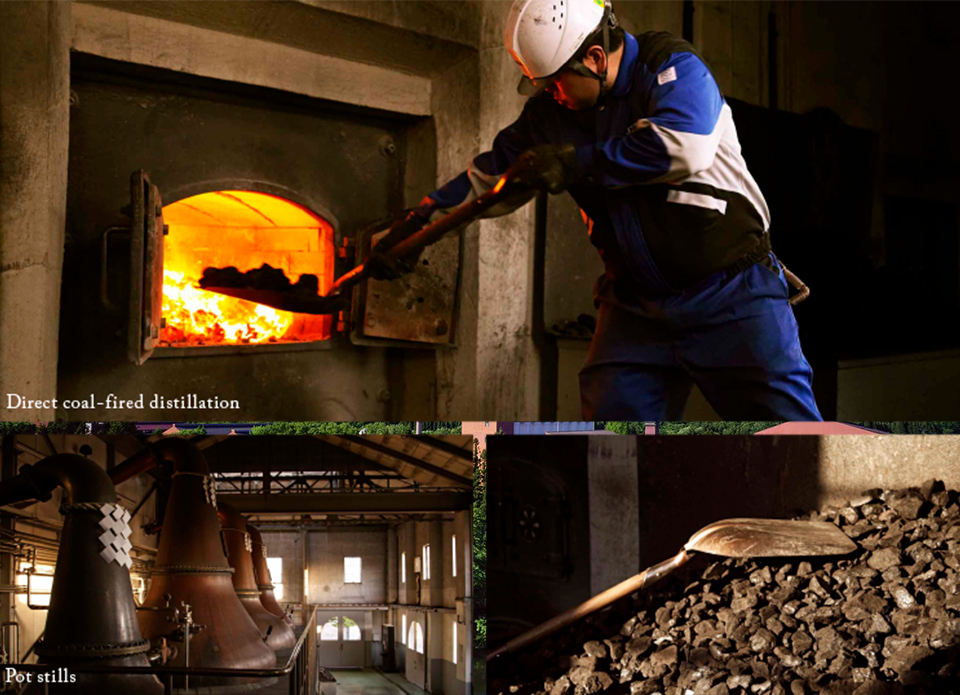
Compared to the rich and traditional flavors of Suntory's Yamazaki and Hakushu series, Yoichi whisky from Ikkaku is renowned for its robust, smoky, and highly distinctive single malt whiskies. Thanks to Masataka Taketsuru's use of traditional coal-fired distillation from the very beginning of the Yoichi distillation, similar to the pot stills he used as an apprentice at the Longmorn distillation in Scotland, this tradition is now rare due to the difficulty in controlling the temperature. Every 7-8 minutes, workers would shovel coal into the furnace beneath each still, and boiler operators had to use rakes to control the temperature. This labor-intensive method was gradually replaced by indirect steam distillation. Yoichi, however, has preserved this very traditional distillation method, which is why Yoichi single malt whiskies often have a distinctive char flavor. Furthermore, because the distillery is close to the sea, its whiskies often possess a salty, oceanic character.
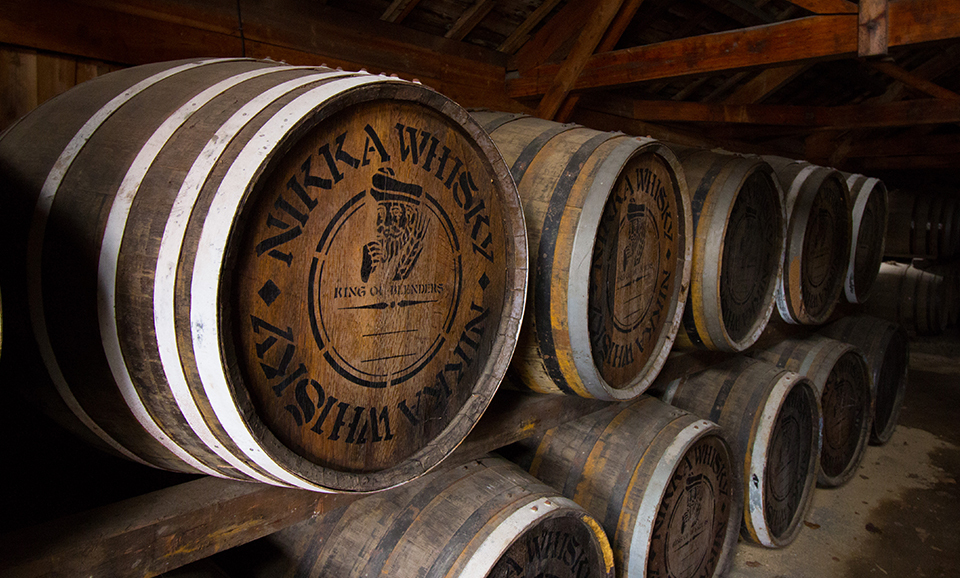
Furthermore, Yoichi is the only distillery in Japan that uses only new oak casks for aging, and it has its own small cooperage. As early as the 1980s, Yoichi had a tradition of using new oak casks with a charred surface. This method differed significantly from that of Scotch whisky at the time, which mostly used Spanish sherry casks. Sherry casks are secondary casks used in Spain after the sherry wine was produced; they are used for further processing and charring to age the whisky, resulting in a smoother and sweeter flavor.
New oak casks have a significant impact on the spirit in a short period, making their production cost far higher than that of sherry casks used in Scotch whisky at the time. Even so, Yoichi maintained this practice. Only a strong spirit like Yoichi's can retain its deep flavor even after the addition of unique woody and vanilla notes from the new casks.
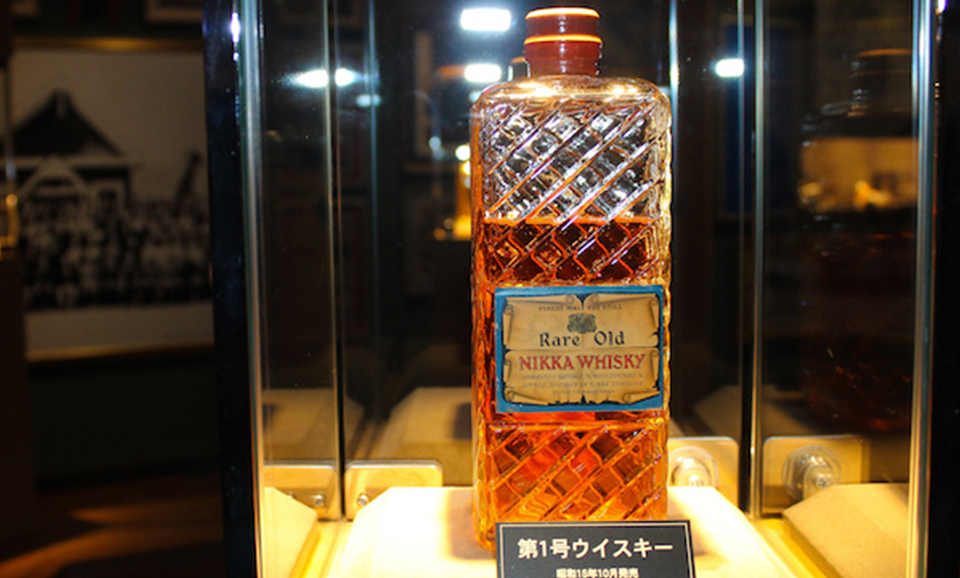
In 1940, six years after establishing the distillery, Masataka Taketsuru produced his first whisky, named Nikka, an abbreviation of Nippon Kaju, which became the company name in 1952. Due to the revival of the Japanese whisky industry and improved market demand, the distillery's need for barley increased, and domestically grown malt could no longer meet the brewing needs. Therefore, they began importing malt from Scotland. Currently, their imported malt is mainly divided into three types: unpeated, normal peated, and heavily peated.
During Japan's economic downturn in the early 20th century, Yoichi's relentless pursuit of a robust flavor in its brewing process proved extremely costly. For a decade, the Yoichi distillery could only operate once a week, resulting in a severe shortage of raw whisky. Unexpectedly, the popularity of Japanese dramas depleted Yoichi's remaining stock. Due to the drama craze, Yoichi announced the cessation of all major product lines in 2015. To mitigate the impact of the production halt, a limited-edition Yoichi heavy coal single malt whisky was released, which quickly sold out.
Thankfully, Nikka ultimately decided to retain the Yoichi brand. Since the Yoichi raw whisky was exhausted, the company had to use raw whisky from its other brand, Taketsuru, to brew new Yoichi whisky. However, aging whiskies require time; until then, Yoichi only produced one non-aged single malt whisky. This whisky maintains a bold and robust style, with smoky notes from direct-fire charcoal distillation and a subtle saltiness from the sea breeze during aging.
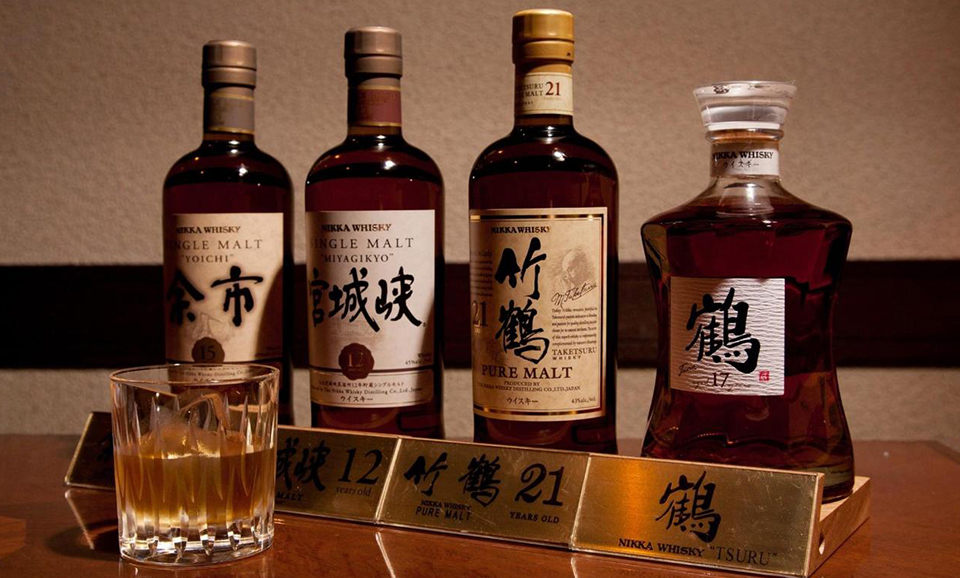
Today, this small distillery in Hokkaido has grown into one of Japan's whisky giants. In addition to its Yoichi single malt whisky brand, Nikka also owns Miyagikyo single malt whisky, Taketsuru blended malt whisky, and the Nikka series of whiskies.
Yoichi 20 Year Old Single Malt Whisky exudes a rich aroma of oak and peaty notes, which, combined with the sweetness of the malt, create a rich and layered flavor profile. This whisky is similar to the Scotch style while retaining a touch of Japanese delicacy.