{{ 'fb_in_app_browser_popup.desc' | translate }} {{ 'fb_in_app_browser_popup.copy_link' | translate }}
{{ 'in_app_browser_popup.desc' | translate }}
{{word('consent_desc')}} {{word('read_more')}}
{{setting.description}}
{{ childProduct.title_translations | translateModel }}
{{ getChildVariationShorthand(childProduct.child_variation) }}
{{ getSelectedItemDetail(selectedChildProduct, item).childProductName }} x {{ selectedChildProduct.quantity || 1 }}
{{ getSelectedItemDetail(selectedChildProduct, item).childVariationName }}
Popular wines representing the terroir of Japan
This wine is made from the national treasure-level white grape variety "Jiazhou"
An internationalized taste style - more pronounced fruit flavors and brighter acidity
The best match for Japanese cuisine, refreshing and appetizing
Gold Medal Award of De
Buy 6 bottles Alcoholic product Free Delivery Fee (Hong Kong) on selected categories
$1200 or above order free delivery (Hong Kong) on order
Buy Together and Save More (At most {{ addItemQuantity }} item(s))
Not enough stock.
Your item was not added to your cart.
Not enough stock.
Please adjust your quantity.
{{'products.quick_cart.out_of_number_hint'| translate}}
{{'product.preorder_limit.hint'| translate}}
Limit {{ product.max_order_quantity }} per order.
Only {{ quantityOfStock }} item(s) left.
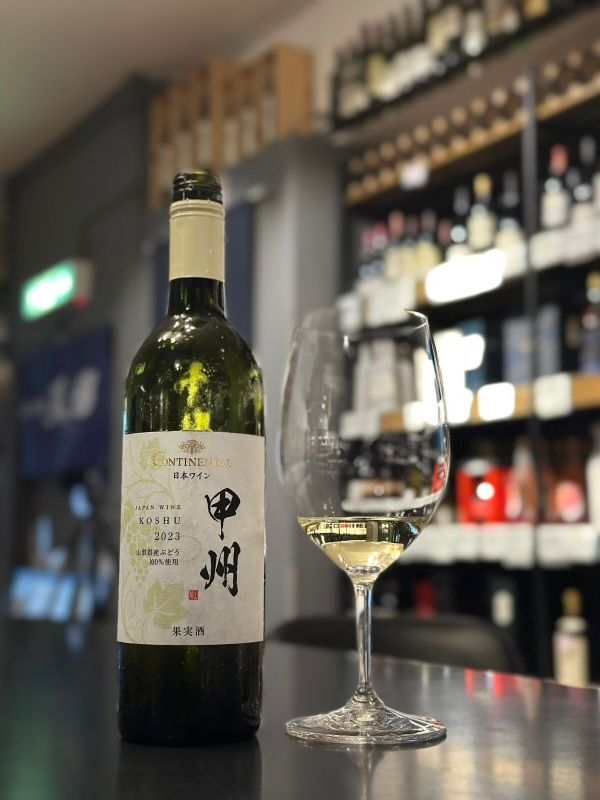
ZJ259-Continental Koshu 2023
$105/btl

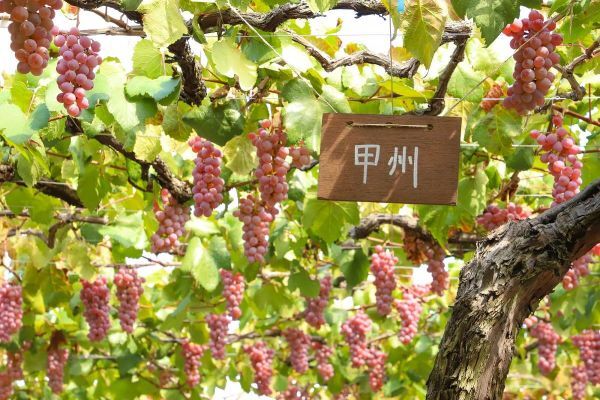
Koshu, a grape that carries European DNA, is a variety that traveled from Central Asia to Japan over a thousand years ago. In recent decades, thanks to advances in viticulture and modern marketing, it has gradually gained international recognition. Today it is planted mainly in Yamanashi Prefecture, a region marked by large day–night temperature swings, hot and humid summers, and dry, cold winters. These conditions give the grapes a long growing and ripening season, while the area’s volcanic soils provide excellent drainage, making it especially well suited to the Koshu grape. In 1874, winemaking using Koshu grapes began in Fuefuki City, Yamanashi Prefecture. Three years later, in 1877, the company Dainippon sent two young winemakers to France to study modern winemaking. They returned to Japan filled with passion and technical knowledge, laying the foundations of the country’s wine industry. Today, more than 80 wineries operate in Yamanashi, all contributing to the creation of a new chapter in Japan’s history as a wine-producing nation.