【Jeb Dunnuck 91 pts】
【Decanter 91 pts】
【James Suckling 91 pts】
【Vivino 4.2】
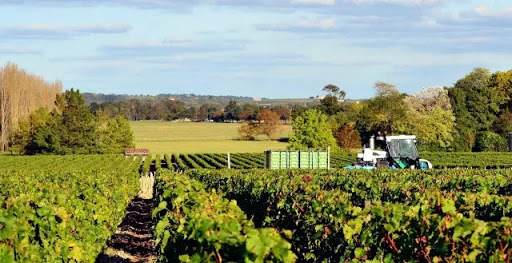
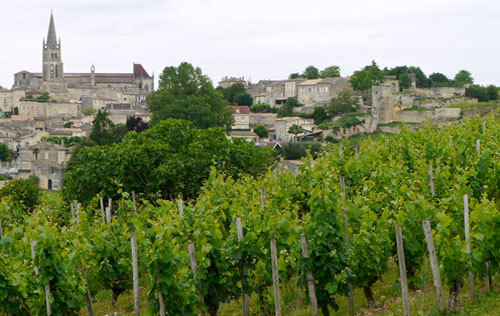
【Pauillac production area】
【Strength guarantee, the second-level village Rauzan-Gassies is in the same family】
【Legendary winemaking consultant Eric Boissenot】
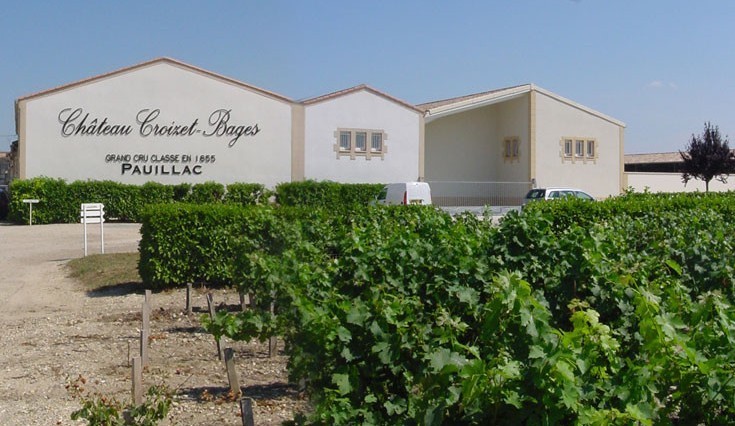
ZTF623E - Chateau Croizet Bages 2021 Pauillac
Special price: $295/piece
Type:Red Wine
Grape Varieties:66% Cabernet Sauvignon,33% Merlot,1% Petit Verdot
Region:Pauillac
ABV:13.5%
Volume : 750ml
Tasting Notes: Deep ruby color. Intense aromas of blackcurrant, ripe plum, cedar, tobacco, and graphite. Medium to full-bodied palate with velvety tannins, lively acidity, complex fruit flavors, and a long finish with hints of spice and dark chocolate.
【James Suckling 91 pts】
Complimenting its cassis and spice character, the wine is medium-bodied and finishes with firm, fine tannins.
【Decanter 91 pts】
Describe it as a bright red fruit-flavored wine with gentle charm and silky, firm tannins.
【Jeb Dunnuck91 pts】
Consider this a charming, balanced 2021 with classic Pauillac spice, tobacco and pencil lead notes.

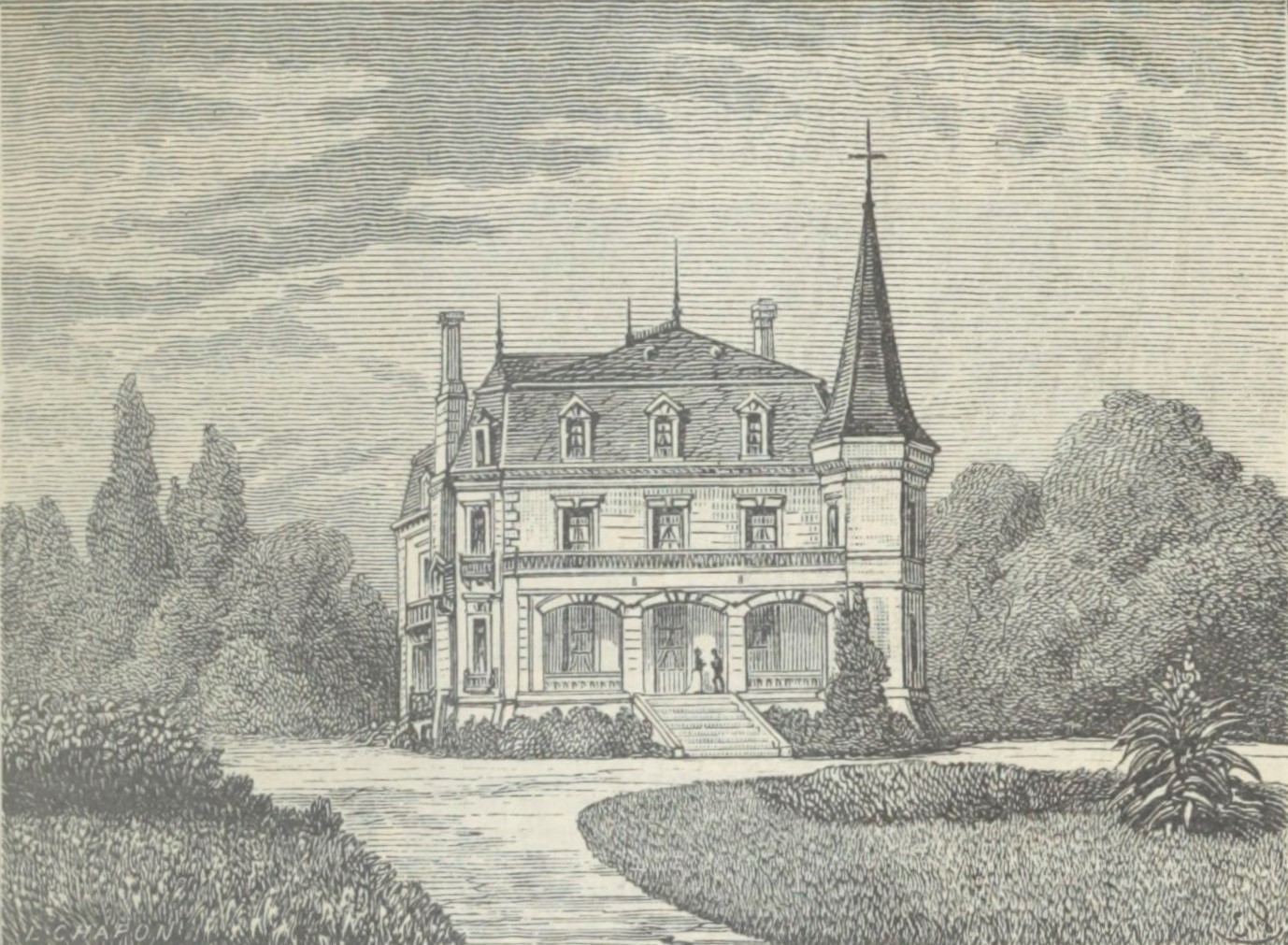
The history of Chateau Croizet-Bages can be traced back to the 16th century.
At that time, the winery was owned by the Bages family, who named the winery after their own family. They established the winery and have been committed to improving the wine quality of the winery, making it one of the most important local wineries in the 17th century.
In the early 18th century, the Croizet brothers bought the Chateau Gobi. After they bought the winery, they expanded the area of the winery by purchasing vineyards and land near the winery. This winery was later called Chateau Croizet-Bages.
Before and after the French Revolution in the late 18th century, the Croisette brothers sold the winery to Jean de Puyterac from Gascon. In 1855, the winery was rated as a five-level winery in the Medocre level.
Since then, the winery has changed ownership again, and the new owner is Julien Calve. Julian changed the name of the winery to "Croizet-Calve" and later changed it back to its original name.
After the First World War, Julian Kraft sold the winery to the American Jean-Baptiste. In 1942, Jean Baptiste transferred the winery to the wine merchant Paul Quié. In 1968, before the death of the old owner, the winery was managed by his son Jean-Michel. In 2001, two brothers and sisters Jean-Philippe and Anne-Francoise took over the winery from their father. They led the team of the winery to improve the wine quality of the winery. The vineyard has been strengthened and improved.
【Vineyard】
The vineyard has a total area of 30 hectares, and the soil in the garden is typical Medoc gravel. The bottom layer of gravel is mixed with brown sand rich in minerals and iron oxide. The bottom layer is white subsoil. The main grape varieties grown are: 60% Cabernet Sauvignon, 32% Merlot, and 8% Cabernet Franc. The average age of the vines is 35 years, the planting density is 8,000 per hectare, and the average yield is 5,500 liters per hectare.
【Winemaking】
When making wine, the winery will first remove any broken juices, squeeze it in wine barrels (approximately 5% to 10% of the total volume), and carry out 48 hours of cold soaking before fermentation (to extract aromas and pigments) . Then the grape juice enters the cement fermentation tank for low-temperature fermentation. After alcohol fermentation, a part of the wine flows out, and then the remaining wine is separated from various sundries by pressing. After that, all the wine is stored in oak barrels, and the aging time can be up to 12 months. During this period, the winemaker will continue to try, select and mix, confirm the bottling time, and finally the wine is bottled after the protein is clarified. The winery replaces 25% of new oak barrels every year.
【Pauillac】
Pauillac, a commune located between Saint-Estèphe and Saint-Julien on Bordeaux's Médoc peninsula, is home to some of the world's most famous and expensive red wines wines,made predominantly from the Cabernet Sauvignon grape variety, which is well suited to the free-draining gravel soils found in Pauillac's vineyards. In addition to Cabernet Sauvignon, Cabernet Franc, Merlot, Carmenère, Petit Verdot and Malbec are also permitted for use under the Pauillac appellation laws.
Overall, the terroir of Pauillac varies more than might be expected in an area of only 23 square kilometers (9 square miles), where the land near the banks of the Gironde estuary with the best vineyard sites rises and falls by a maximum of 30 meters (100ft). Over hundreds of vintages, the châteaux and their winemakers have become very skilled at emphasizing the individuality of their vineyards, and there is general agreement that the styles of the top three châteaux are discernibly different. Overall, however, there is still an identifiable Pauillac wine style: full, rich, and characterized by the classic cassis-and-cedarwood aromas of oak-aged Cabernet Sauvignon.