【James Suckling 93】
【Vinous 92-94 pts】
【Vivino 4.0】
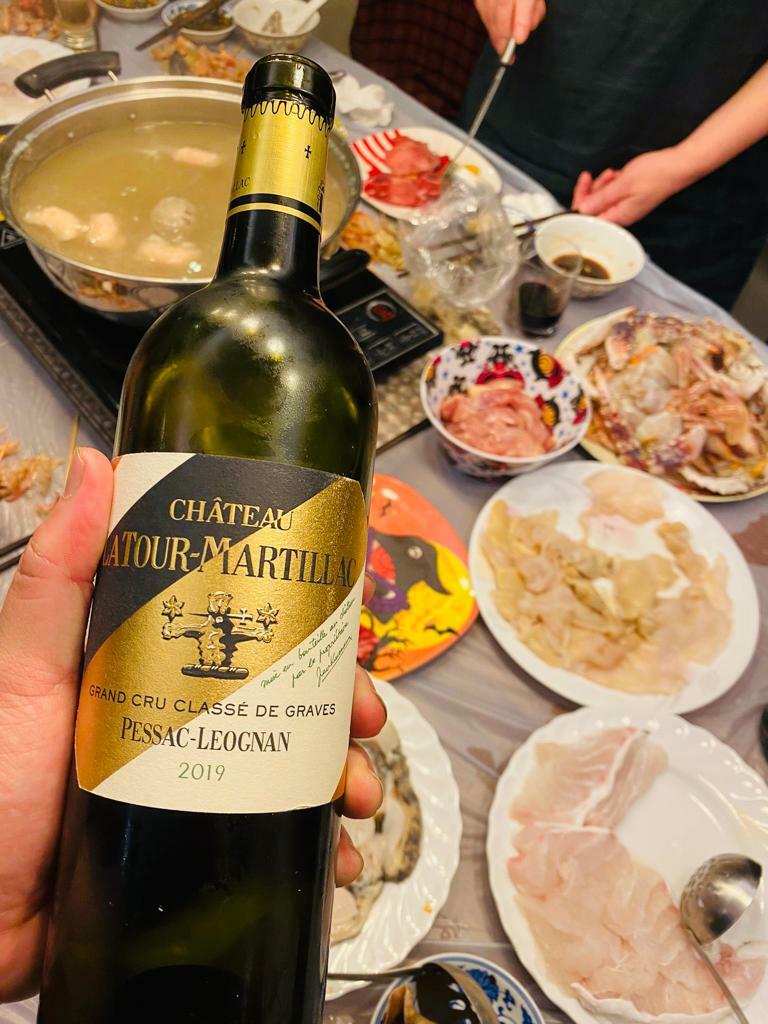
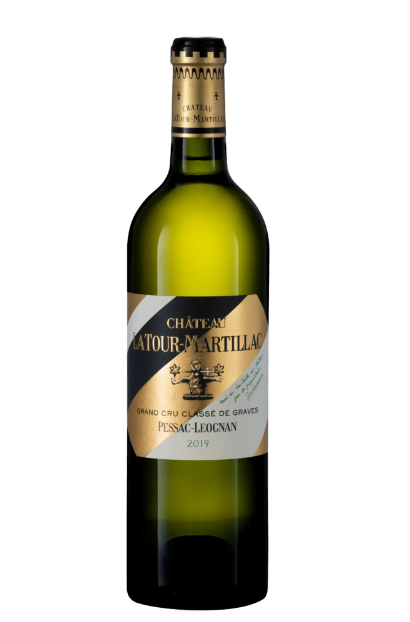
ZTF025A- Chateau Latour Martillac Blanc 2019 Pessac Leognan特價: $298/支
Region : Pessac-Leognan
Grapes : 60% Sauvignon Blanc、40% Semillon
Alcohol : 13.5%
Capacity:750ml
Tasting notes: Upon opening the bottle, it reveals aromas of lemon, white peach, citrus, grapefruit and elderflower, which are concentrated and natural. The entrance has flavors of lime, grapefruit peel, creamy, toasty and minerals. The overall balance is delicate, the body is full-bodied and concentrated, the acidity is good, the layers are complex, the taste is comfortable, the aftertaste can sense a hint of sea salt, and the finish is long and lingering. This wine is suitable for drinking now and also for aging. It pairs even better with seafood and pasta.
【James Suckling 93 pts】
A medium- to full-bodied white with aromas of dried grapefruit, lemon curd, fennel, gooseberries and cloves. Rich, compact and spicy with a pithy edge. Drink or hold.
【Vinous 92-94 pts】
The 2019 Latour-Martillac Blanc was picked from 3 to 17 September at50hl/ha and matured in 25% new oak. lt has a crisp green apple andlemon thyme scented bouquet, introverted at first but it gradually finds itsvoice. The palate is well balanced with crisp acidity. Subtle tropical notesof pineapple and orange rind with hints of strawberry come through onthe finish. Excellent.
【Grand Cru Classe de Graves】
【[Royal Coronation Wine】【HVE Environmental Certification】
【Jeb Dunnuck 95】【James Suckling 94】
【Wine Spectator 93】【Wine Advocate 91】【Vivino 4.0】
ZTF025B Chateau Latour Martillac 2022 Pessac Leognan Blanc
Price: $460/btl
Production area :France / Bordeaux/ Pessac-Leognan
Grape varieties :52% Sauvignon Blanc, 48% Sémillon
Alcohol:13.5%
Volume:750ml
Recommended drinking temperature: 12-14
Tasting Notes: This wine is pale yellow in color and its aromas are very rich, dominated by citrus, white flowers and fresh fruit. The taste of lemon and apple fruit in the entrance is quite fresh, and it has the smell of wood barrel, the taste of butter and cream, and the complex taste is very delicious. Medium-bodied, with rounded acidity and a long finish, it is a fine wine with a fine texture.
【Jeb Dunnuck 95】
A blend of 52% Sauvignon Blanc and 48% Sémillon, the 2022 Château Latour-Martillac Blanc delivers a chalky, mineral-driven nose with a kiss of reduction, crushed citrus, and mint. Rivetingly pure and full of energy, this aged for 15 months in oak barrels.
【James Suckling 94】
Precise and attractive nose of minerals, subtle sour cream, guavas, sliced apples and some green gooseberries. Bright and textured, with a medium to full body and a lengthy and lightly phenolic finish. An outstanding wine.
【Wine Spectator 93】
A lively white, with a mix of tarragon, verbena and thyme backed by lemon curd, star fruit and white peach flavors. A quinine thread adds length and cut on the finish. Delicious. Sauvignon Blanc and Sémillon.
【Wine Advocate 91】
The 2022 Blanc from Latour Martillac meets my expectations, showcasing aromas of pear, white peach and flowers. It offers a moderately weighted, tense and bright palate characterized by a juicy core of fruit and bright acids, leading to an incisive finish.

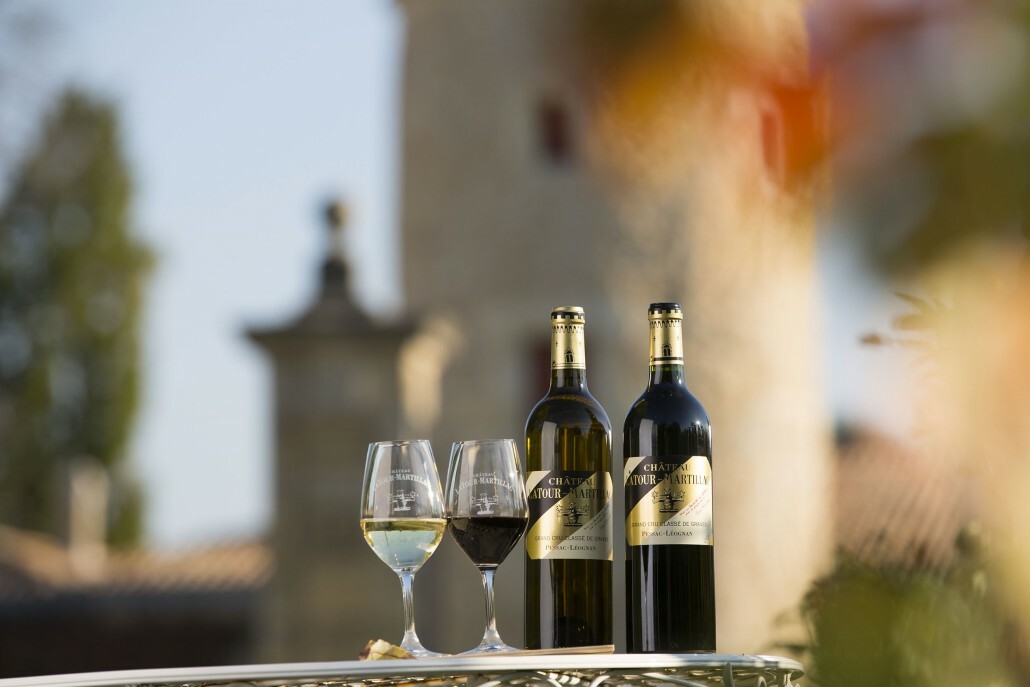
Château Latour-Martillac is a wine estate in the Pessac-Léognan appellation in the northern Graves wine region of Bordeaux, just south of the city of Bordeaux and on the so-called left bank of the Garonne. The estate produces blended red wines dominated by Cabernet Sauvignon and dry white wines dominated by Semillon. Latour-Martillac was named Graves Graves Graves Graves in 1959, and is one of the few producers to have both red and white wine classifications. The property has been under vines since at least the 19th century, when it was part of the larger Château La Brède. The modern estate name comes from the remains of a fortified 12th-century castle whose stones were used to build it in the late 1700s. Since the 1870s, Latour-Martillac has been managed by Edouard Kressmann and the Kressmann Wine Merchant Company. His son Alfred went on to buy the estate in 1930 and has remained with the Kressmann family ever since. The family also owns Château Langlet in Cabanac-et-Villagrains in the Graves region since 1999.
Château Latour-Martillac has 42 hectares (104 acres) of vines, three-quarters of which are planted with red grapes. Cabernet Sauvignon makes up about 60% of the vine, along with some Merlot and a small amount of Petit Verdot. Semillon makes up most of the remaining vineyards, followed by Sauvignon Blanc and some Miscadelle - a classic combination of white grapes from the region. The vineyard is divided into two parts. A slightly elevated hill on the estate with gravel soils from the ancient movement of the Garonne for Cabernet Sauvignon and Petit Verdot. Close to the modern bank is a still gravel plot with a high concentration of clay in the subsoil, where Merlot and White varieties are grown. There is also a small plot of 0.65 hectares (1.6 acres) called Grattecap, which dates back to 1884 and is mainly planted with Semillon. It is entirely harvested by hand and tilled by horses. Latour-Martillac started producing a second wine in 1986, called Lagrave-Martillac.
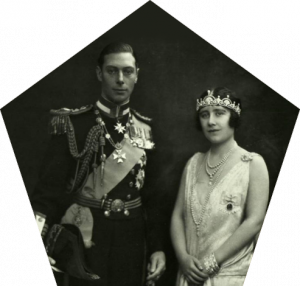
In the early 1930s, father and son Alfred Kressmann and Jean Kressmann founded the wines produced by their family's classified wineries with their artistic talents. Got a wine label. The design of the label was inspired by the Art Deco movement, which was very fashionable at the time, the famous design - the "gold and tawny stripes" icon, which is still in use today. Soon everyone was raving about the wines from Château Latour Mathiac. The 1934 vintage of Château Latour Mathiac was included in the "Wine and Spirits Charity" directory. And in December 1936, at the coronation ceremony of His Royal Highness King George V of England, Chateau Latour-Martiac wine was selected and became one of the royal wines of the Royal Family of England.
【Pessac Leognan】
As a legal sub-region of Bordeaux, Pessac Leognan should be regarded as the youngest one. It has only been 30 years since it became an independent production area in 1987, but this youngest production area is enough to disdain the crowd. The Pessac-Leognan appellation originally belonged to two wine villages under the Graves appellation: Pessac and Leognan. As early as 1855, when the Bordeaux Grand Crus were classified, three of the four First Growths were in the Médoc, and the only one that was not in the Médoc was Haut-Biron (also known as Aubion). The Haubourg winery is located in the Pessac wine village.
Pessac-Léognan used to belong to the Graves region, so their soils are very similar, a mix of clay and gravel, with relatively flat terrain and a relatively warm climate. Well-drained soil is suitable for growing Cabernet Sauvignon. Graves is very close to Pessac-Léognan, but Pessac-Léognan is separated from the Médoc by the city of Bordeaux.