{{ 'fb_in_app_browser_popup.desc' | translate }} {{ 'fb_in_app_browser_popup.copy_link' | translate }}

{{ 'in_app_browser_popup.desc' | translate }}

買滿任何酒類 六支 或買滿 $1200 (不限支數) 皆可享免費送貨

精選波爾多葡萄酒

Wedding Wine 婚宴酒試酒服務

Your Shopping Cart is empty.
{{ (item.variation.media ? item.variation.media.alt_translations : item.product.cover_media.alt_translations) | translateModel }} {{ (item.variation.media
                    ? item.variation.media.alt_translations
                    : item.product.cover_media.alt_translations) | translateModel
                }}
{{ 'product.bundled_products.label' | translate }}
{{ 'product.bundle_group_products.label' | translate }}
{{ 'product.buyandget.label' | translate }}
{{ 'product.gift.label' | translate }}
{{ 'product.addon_products.label' | translate }}
{{item.product.title_translations|translateModel}}
{{ field.name_translations | translateModel }}
  • {{ childProduct.title_translations | translateModel }}

    {{ getChildVariationShorthand(childProduct.child_variation) }}

{{ 'product.set.open_variation' | translate }}
  • {{ getSelectedItemDetail(selectedChildProduct, item).childProductName }} x {{ selectedChildProduct.quantity || 1 }}

    {{ getSelectedItemDetail(selectedChildProduct, item).childVariationName }}

{{item.variation.name}}
{{item.quantity}}x HK$0 {{ item.unit_point }} Point
{{addonItem.product.cover_media.alt_translations | translateModel}}
{{ 'product.addon_products.label' | translate }}
{{addonItem.product.title_translations|translateModel}}
{{addonItem.quantity}}x {{ mainConfig.merchantData.base_currency.alternate_symbol + "0" }}

Minerality

Minerality implies that a wine contains a certain quality of mineral from the soil, whether in aroma, flavor or texture. It is often used to describe wines from poor (lack of topsoil) and rocky terrain, such as Chardonnay from Chablis' Kaimori terroir, or Riesling from Mosel slate.Minerality, or minerality, is a magic word. Minerality is a magical word. It's magical not only because of the metaphysics of the principles behind it, but also because of the way it's used: we hear it all the time, we all talk about it, but we probably don't even know what we're referring 


The source of the mineral sense is from the soil?

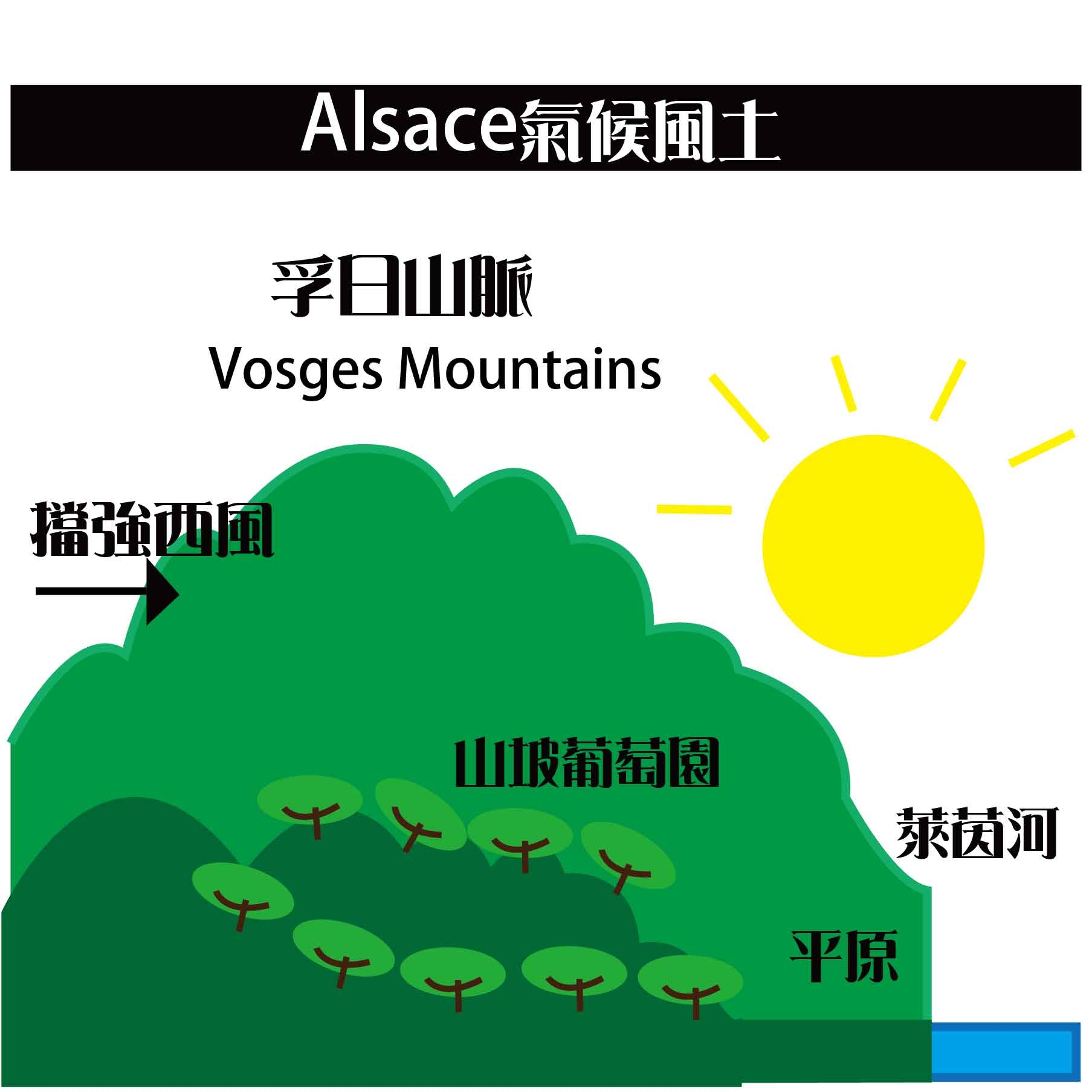
The original idea was that the flavors from the rocks would enter the berries through the root system of the vines, and then appear in the wine, which would then have the ability to respond directly to the type of soil from which it originated. In Alsace, wines from slate fields have a slate flavor, wines from granite rocks have a granite flavor, and in Chablis, limestone soils contain fossilized marine organisms, so they taste like oyster shells - the explanation is simple and crude. However, there is no scientific evidence for such a mechanical view.

Professor Alex Maltman, a geologist and wine researcher, points out that the interaction between the grapevine and the soil is such that it would be fanciful to think that you could drink wine with the flavor of minerals in it. The vines selectively pick up minerals that are beneficial to their growth based on their own needs, not on the composition of the soil. These minerals are ions dissolved in water, and they neither have the original characteristics of rock or soil, nor do they have a flavor of their own. In other words, whether the calcium ions absorbed by the vines come from the limestone of the Chablis Grands Crus, or from the clay of Macon, or from the fertilizers applied by the winegrowers, they are just nutrients that make no difference to the vines.

Mineral notes on the aroma

Aroma/flavor descriptors that are often categorized as mineral include flint, matchstick, oyster shell, etc. (or if you prefer, "hot brake pads"). The popular toasted sesame aroma is also in this category. Research has shown that these aromas are often associated with sulfur compounds produced by the yeast during fermentation. When a wine is full of these sulfide notes and has a restrained fruity aroma, it is often said that the wine smells "mineral". Such aroma/flavor characteristics are common in Chardonnay from Chablis and Burgundy, Mosel Riesling (especially dry), Sancerre and Sauvignon Blanc from Puyfume. On the other hand, Sauvignon Blanc from Marlborough, New Zealand, which is full of passion fruit flavors, is destined to have nothing to do with the word "mineral".

Minerality in flavor

Although studies have not found a correlation between pH and minerality, in practice, high acid, crisp wines are more often associated with the description of minerality than round, creamy wines. Not all high-acid wines are tempted to describe them as mineral, as in the case of the previously mentioned Marlborough Sauvignon Blanc. Replacing "high acidity" with "minerality" is neither precise nor necessary, but there are certain qualities that go along with high acidity that may make a wine taste mineral.
Another flavor that is often referred to as mineral is salty. Salty flavors are a low percentage of a wine's flavor profile and can come from the salt in the vineyards and cellars by the sea, or from the succinic acid produced during fermentation.

Mineral wine texture

This description relates to the texture of the wine, which refers to a sense of friction (in addition to phenolics), energy, and an electric flu that passes through the throat when swallowed. Rajat Parr, an influential wine personality in the US, has proposed the use of "electricity" to describe this sensation instead of the too vague "minerality". Clark Smith, author of Postmodern Winemaking, argues that this sensation is closer in principle to our perception of acidity, and can therefore be described as a sense of taste. Of course, it's hard to describe this sensation in words, whether it's tactile or taste-based.

Possible explanations for the mineral (I)

Flint-like flavors are indeed more likely to appear in wines from poor soils. These soils are low in nitrogen, an important food for yeast during fermentation. When the must is low in nitrogen, the yeasts feel "stressed" and metabolize a lot of the sulfides that flint flavors move towards if they don't add extra nutrients.
The oyster shell flavor in Chablis mentioned earlier is also related to this. The high purity limestone on the left bank of the Serein River has a lower nitrogen content than the right bank, forcing the yeast to metabolize large quantities of fishy methanethiols, which we romantically associate with fossilized marine organisms in the limestone. Methyl mercaptan also masks the fruity flavors in the wines, and when there is less fruit, the minerality is stronger.

Possible explanations for the mineral (II)

Restorative winemaking is somewhat of a cause-and-effect relationship with sulfides. Wine guru Sam Harrop is a proponent of minerality, but he also believes that minerality is purely related to winemaking, and that most reductive wines show more mineral potential in both aroma and texture.

For example, grapes grown in cooler production zones or harvested early, smell less "sweet and ripe", and naturally tend to highlight flavors other than fruit, which, when rounded off, is basically mineral.

In addition, there is a correlation between acidity and minerality. Malic acid tastes more mineral than lactic acid. For example, studies have shown that despite the abundance of red wines in Priorato, the malolactic conversion is often incomplete, making it more mineral.

As for the salty flavors, some come from the salt in the vineyards and cellars by the sea, although the sodium ions, which can be called minerals, come more from the sea than from the soil.

Possible explanations for the mineral (III)

Wine Master Sarah Jane Evans gave a half-joking formula for minerality: [SS+A+CC] - [E+T] - [O²] = Minerality
SS = Stony Soils; A = Acid; CC = Cool Climate; E = Esters, ester aromas, and Thiols, which together create the effervescent fruity flavor; O² = Oxygen.
In other words: [stony soil + high acidity + cool climate] - [fruity] - [oxygen] = minerality. As for the applicability of this formula, please leave it to the reader to decide.

Translated with www.DeepL.com/Translator (free version)

如果想收到更多礦物感葡萄酒推介,可以聯絡 Manson & Kelvin 9881 7075

Other Blog

View All